


 Melayu
 Afrika
 bahasa Albania
 Amharic
 bahasa arab
 bahasa Armenia
 Azerbaijan
 Basque
 Belarusia
 Benggali
 Bosnia
 bahasa Bulgaria
 Catalan
 Cebuano
 Korsika
 bahasa Croatia
 bahasa Czech
 Danish
 Belanda
 Inggeris
 Esperanto
 bahasa Estonia
 bahasa Finland
 Perancis
 Frisian
 Galicia
 Georgian
 Jerman
 bahasa Yunani
 Gujerat
 Kreol Haiti
 hausa
hausa
 hawaii
 bahasa Ibrani
 Tidak
Tidak
 Miao
Miao
 bahasa Hungary
 bahasa Iceland
 igbo
igbo
 Indonesia
 irish
irish
 Itali
Itali
 Jepun
Jepun
 bahasa jawa
 Kannada
 kazakh
 Khmer
Khmer
 Rwanda
 Korea
Korea
 Kurdish
 Kyrgyz
 TB
TB
 bahasa Latin
 bahasa Latvia
 bahasa Lithuania
 Luxembourgish
 Macedonia
 Malgashi
 Malayalam
 bahasa Malta
 Maori
Maori
 Marathi
 Mongolia
 Myanmar
 Nepal
Nepal
 bahasa Norway
 bahasa Norway
 Occitan
 Pashto
 Parsi
Parsi
 Poland
 Portugis
 Punjabi
 bahasa Romania
 bahasa Rusia
 bahasa Samoa
 Gaelik Scotland
 bahasa Serbia
 Inggeris
 Shona
Shona
 Sindhi
 Sinhala
 Bahasa Slovak
 Bahasa Slovenia
 Somalia
 bahasa Sepanyol
 bahasa sunda
 bahasa Swahili
 bahasa Sweden
 bahasa Tagalog
 bahasa Tajik
 bahasa Tamil
 Tatar
Tatar
 Telugu
 Thai
Thai
 bahasa Turki
 orang Turkmen
 Ukraine
 bahasa Urdu
 Uighur
 Uzbek
Uzbek
 bahasa Vietnam
 bahasa Wales
 Bantu
Bantu
 Yiddish
 Yoruba
 Zulu
Zulu


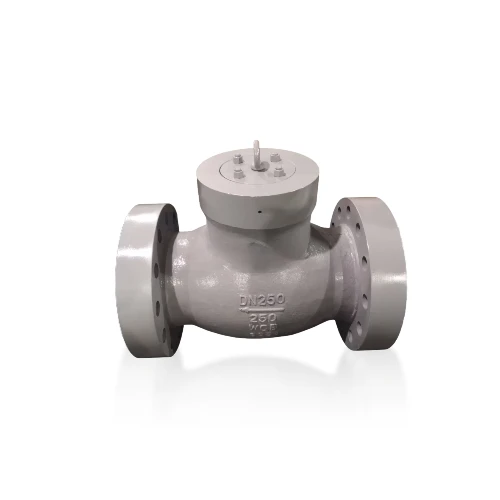
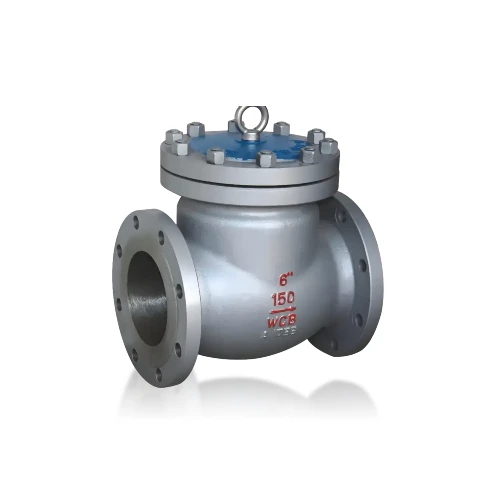
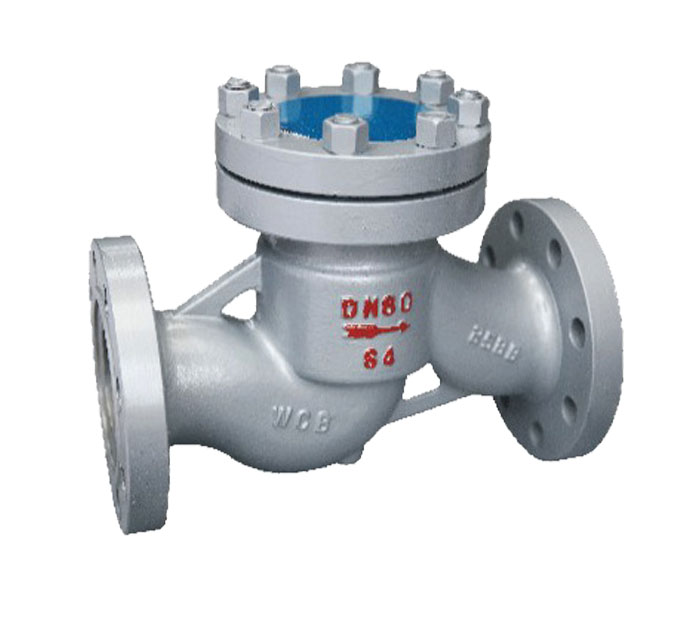
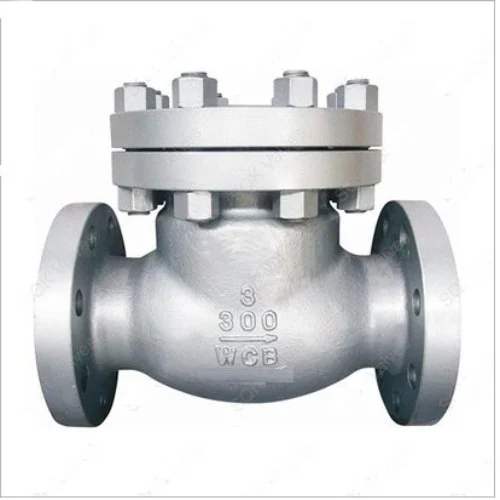
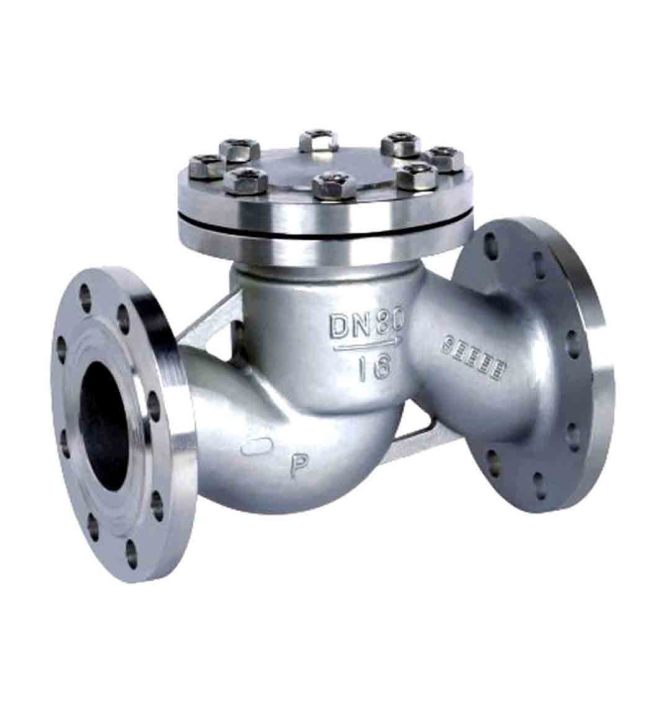
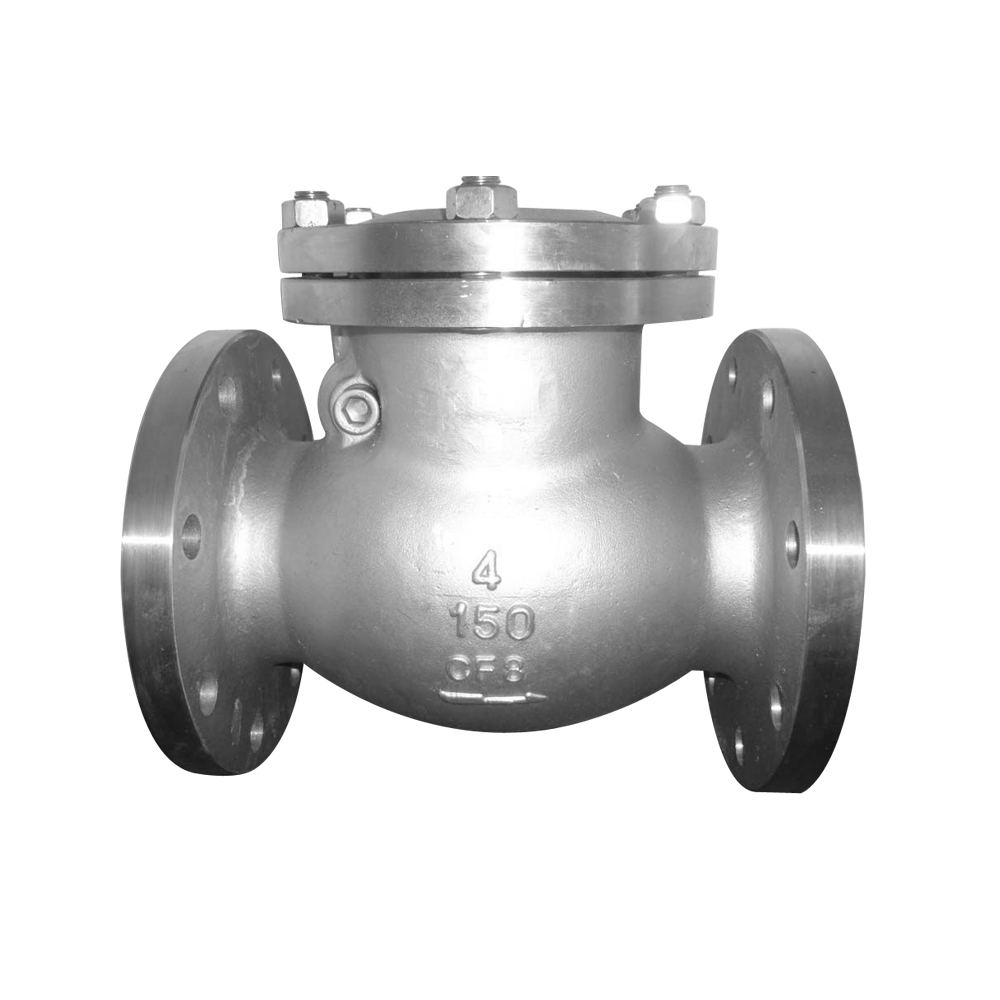
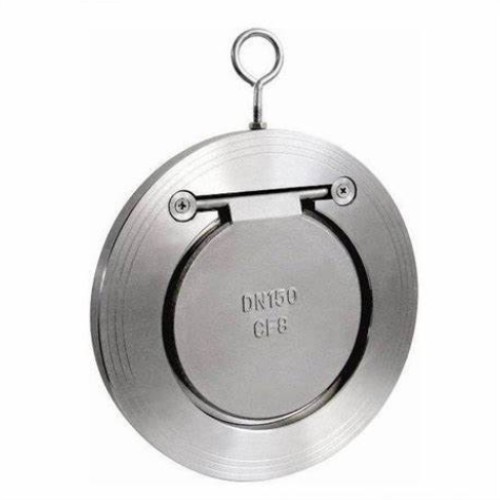
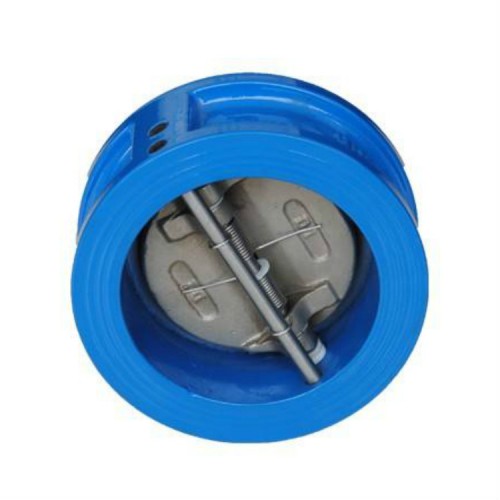
Check valves, also known as non-return valves, are designed to allow fluid to flow in one direction while preventing reverse flow. They are commonly used to maintain the flow of fluid in a single direction and to prevent backflow, which can cause damage or contamination in a system. Check valves can be classified based on their design and application:
1. Swing Check Valve: This type of check valve uses a hinged disc to block reverse flow. When the forward flow stops, the disc swings into a closed position to prevent backflow. Swing check valves are suitable for applications with moderate flow rates and are commonly used in water and wastewater systems.
2. Lift Check Valve: Lift check valves use a guided disc that moves up and down to control the flow. When the forward flow stops, the disc is lifted to allow flow, and when the flow reverses, the disc is forced back onto the seat to prevent backflow. Lift check valves are often used in high-pressure and high-temperature applications.
Check valves are essential components in various industries, including oil and gas, chemical processing, water treatment, and HVAC systems, where maintaining flow direction and preventing backflow are critical for system performance and safety.
When Should I Use A Check Valve?
A check valve should be used in applications where backflow prevention is essential. This includes situations where the reversal of flow could cause damage to equipment, contamination of the system, or safety hazards. Check valves are commonly employed in various systems such as water and wastewater treatment, pumping systems, HVAC systems, and industrial processes where maintaining flow direction and preventing backflow are critical. Additionally, check valves are often used in combination with pumps to prevent the backflow of fluid when the pump is not in operation. In summary, check valves are utilized in scenarios where ensuring unidirectional flow and preventing reverse flow are vital for the efficient and safe operation of the system.












































































