


 Gàidhlig na h-Alba
 Afraganach
 Albànianach
 Amharic
 Arabach
 Armenianach
 Azerbaijani
 Basgach
 Belarusianach
 Bengàlach
 Bosnianach
 Bulgàrianach
 Catalanach
 Cebuano
 Corsicanach
 Croatianach
 Seacach
 Dànach
 Duitseach
 Sasannach
 Esperanto
 Estòinianach
 Fionnlaineach
 Frangach
 Frisianach
 Galicianach
 Georgianach
 Gearmailteach
 Grèigeach
 Gujarati
 Haitian Creole
 Hausa
Hausa
 Hawaiianach
 Eabhrach
 Chan eil
 Miao
Miao
 Hungàrianach
 Innis Tìleach
 igbo
igbo
 And-Innseach
 Èireannach
 Eadailteach
 Iapanach
 Iabhaininnseach
 Kannada
 Kasakh
 Ciméireach
 Ruanda
 Corèanach
 Curdach
 Kyrgyz
 TBh
TBh
 Laidinn
 Latbhianach
 Lithuanianach
 Luxembourgach
 Macedonianach
 Malgashi
 Malaidheach
 Malayalamach
 Malteseach
 Maori
Maori
 Marathiach
 Mongolianach
 Myanmar
 Nepalach
 Lochlannach
 Lochlannach
 Occitan
 Pashto
 Persianach
 Pòlainneach
 Portugalach
 Punjabi
 Romànianach
 Ruiseanach
 Samoan
 Serbianach
 Sasannach
 Shona
Shona
 Sindeach
 Sinhala
 Slovacanach
 Slobhenianach
 Somali
 Spàinneach
 Sundais
 Swahilieach
 Suaineach
 Tagalogach
 Tajik
Tajik
 Tamileach
 Tatarais
 Telugach
 Thaidheach
 Turcach
 Turkmen
 Ucràinis
 Urdu
Urdu
 Uighur
 Uzbek
Uzbek
 Bhietnam
 Cuimris
 Cuideachadh
 Giúdais
 Ioruba
 Zulu
Zulu


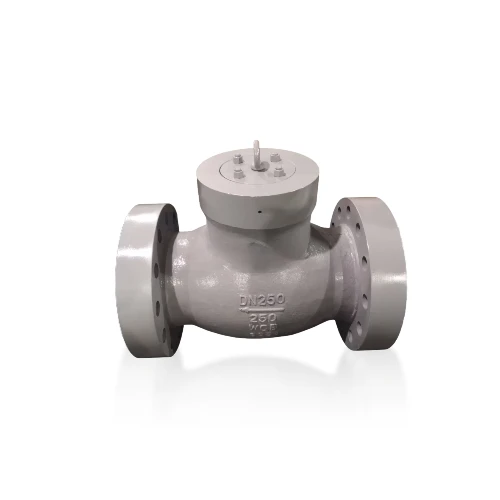
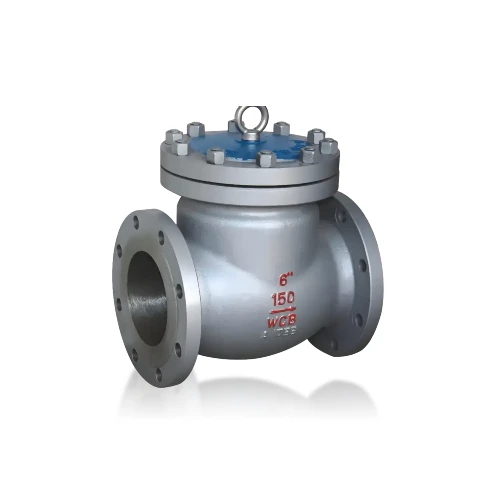
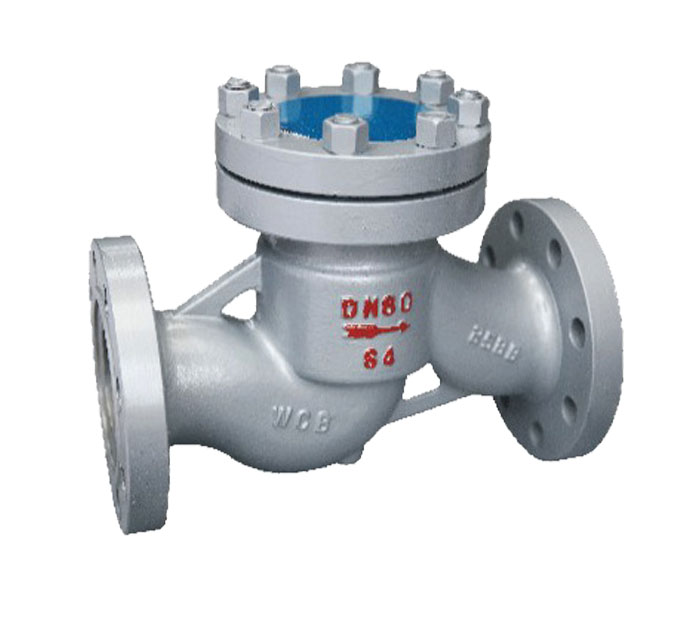
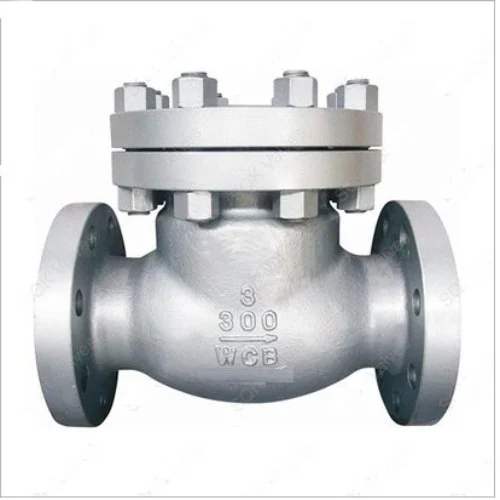
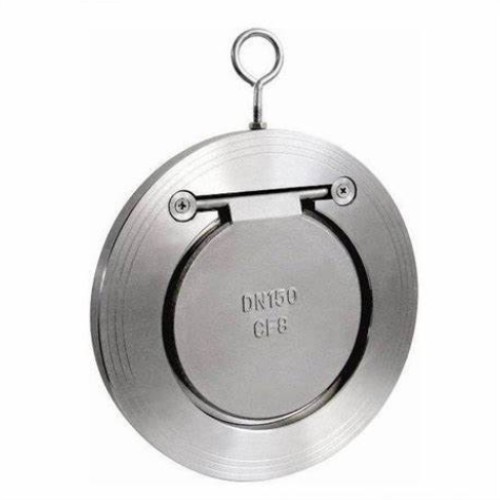
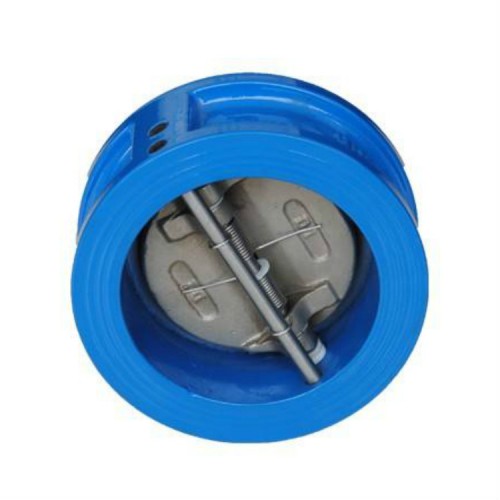
Check valves, also known as non-return valves, are designed to allow fluid to flow in one direction while preventing reverse flow. They are commonly used to maintain the flow of fluid in a single direction and to prevent backflow, which can cause damage or contamination in a system. Check valves can be classified based on their design and application:
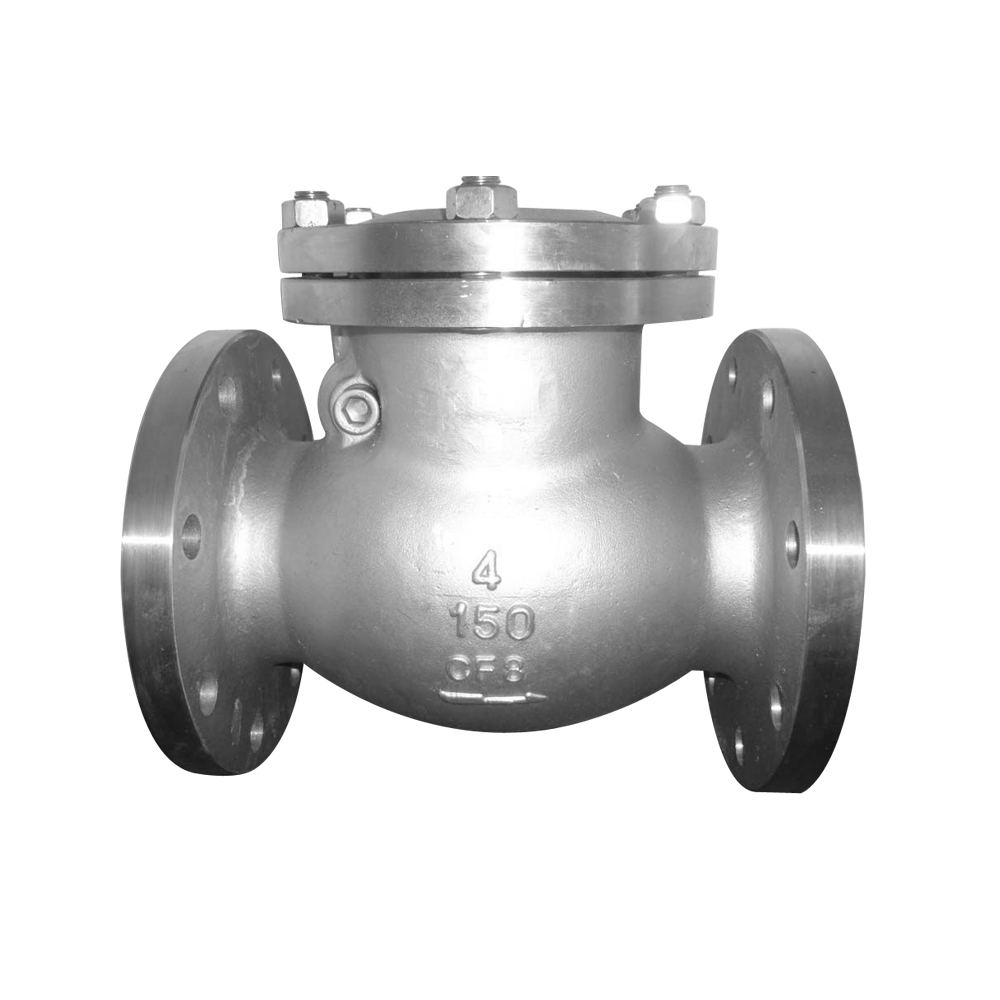
1. Swing Check Valve: This type of check valve uses a hinged disc to block reverse flow. When the forward flow stops, the disc swings into a closed position to prevent backflow. Swing check valves are suitable for applications with moderate flow rates and are commonly used in water and wastewater systems.
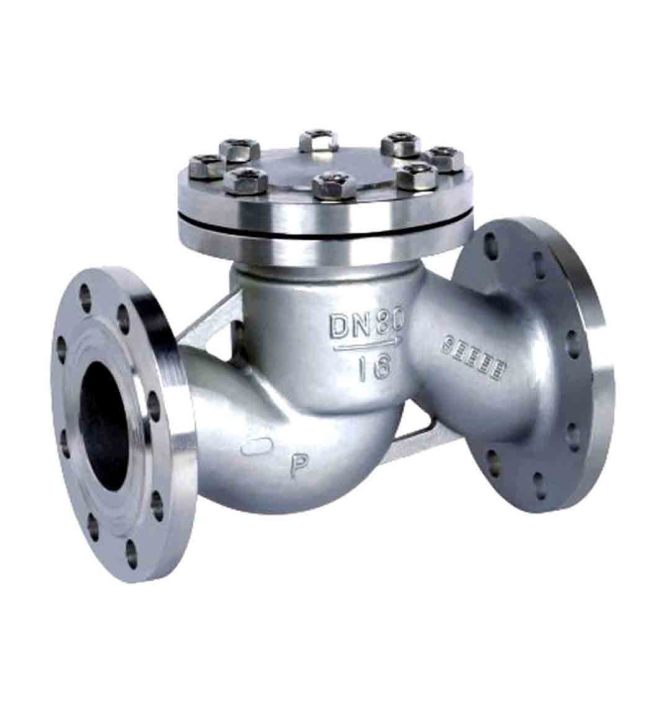
2. Lift Check Valve: Lift check valves use a guided disc that moves up and down to control the flow. When the forward flow stops, the disc is lifted to allow flow, and when the flow reverses, the disc is forced back onto the seat to prevent backflow. Lift check valves are often used in high-pressure and high-temperature applications.
Check valves are essential components in various industries, including oil and gas, chemical processing, water treatment, and HVAC systems, where maintaining flow direction and preventing backflow are critical for system performance and safety.
When Should I Use A Check Valve?
A check valve should be used in applications where backflow prevention is essential. This includes situations where the reversal of flow could cause damage to equipment, contamination of the system, or safety hazards. Check valves are commonly employed in various systems such as water and wastewater treatment, pumping systems, HVAC systems, and industrial processes where maintaining flow direction and preventing backflow are critical. Additionally, check valves are often used in combination with pumps to prevent the backflow of fluid when the pump is not in operation. In summary, check valves are utilized in scenarios where ensuring unidirectional flow and preventing reverse flow are vital for the efficient and safe operation of the system.












































































