


 Kurdî
Kurdî
 efrîkanî
 Albanî
 Amharîkî
 Erebî
Erebî
 Ermenî
 Azerî
Azerî
 Baskî
Baskî
 Belarûsî
 Bengalî
 Bosnayî
 Bûlgarî
 Katalanî
 Cebuano
 Korsîkayî
 Xirwatî
 Çekî
Çekî
 Danîmarkî
 Holandî
 Îngilîzî
 Esperanto
 Estonî
 Fînlandî
 Fransî
 frîzî
frîzî
 Galîsyayî
 Gurcî
Gurcî
 Almanî
 Yewnanî
 Gujaratî
 Kreoliya Haîtiyî
 Hausa
Hausa
 Hawaiyî
 Îbranî
 Nexêr
Nexêr
 Miao
Miao
 Macarî
 Îzlandî
 igbo
igbo
 Îndonezî
 Irlandî
 Îtalî
Îtalî
 Japonî
 Javanesî
 Kanadayî
 Qazakî
 Khmer
Khmer
 Rwandan
 Koreyî
 Qirgizî
 TB
TB
 Latînî
 Letonî
 Lîtvanyayî
 Luksembûrgî
 Makedonî
 Malgashi
 Malayî
 Malayalamî
 Maltezî
 Maorîyî
 Maratî
 Moxolî
 Mîyanmar
 Nepalî
 Norwêcî
 Norwêcî
 Occitan
 Peştûyî
 Farsî
Farsî
 Polandî
 Portekizî
 Pencabî
 Romanyayî
 Rûsî
Rûsî
 Samoan
 Scottish Gaelic
 Sirbî
Sirbî
 Îngilîzî
 Shona
Shona
 Sindî
Sindî
 Sinhala
 Slovakî
 Slovenî
 Somalîkî
 Îspanyolî
 Sundanese
 Swahîlîyî
 Swêdî
Swêdî
 Tagalogî
 Tajik
Tajik
 Tamîlî
 Tatar
Tatar
 Teluguyî
 Thayîkî
 Tirkî
Tirkî
 Tirkmenî
 Ûkraynî
 Ûrdûyî
 Uyghur
 Ozbekî
 Vîetnamî
 Galerkî
 Alîkarî
 Yîddîşî
 Yorûbayî
 Zulu
Zulu


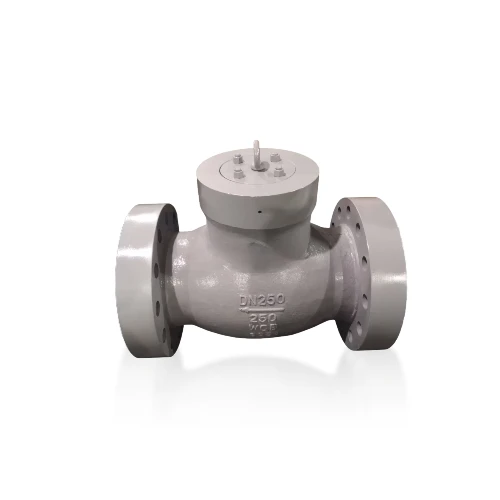
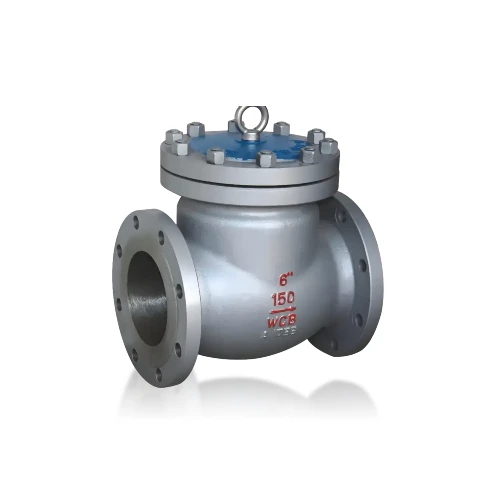
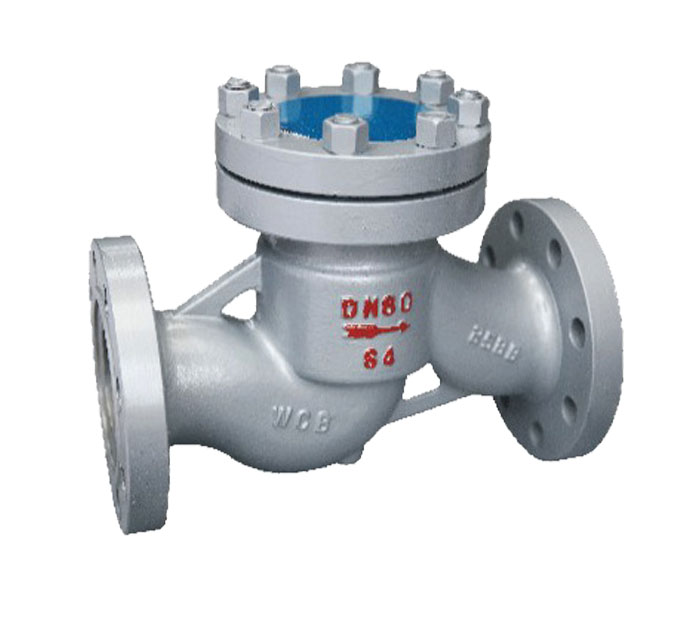
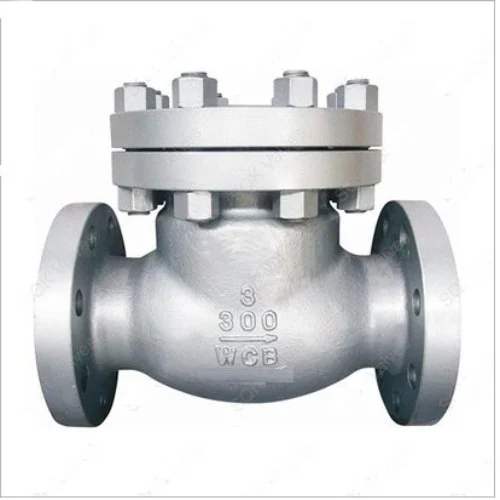
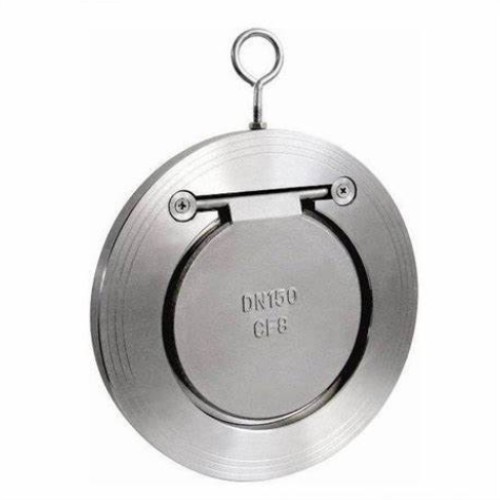
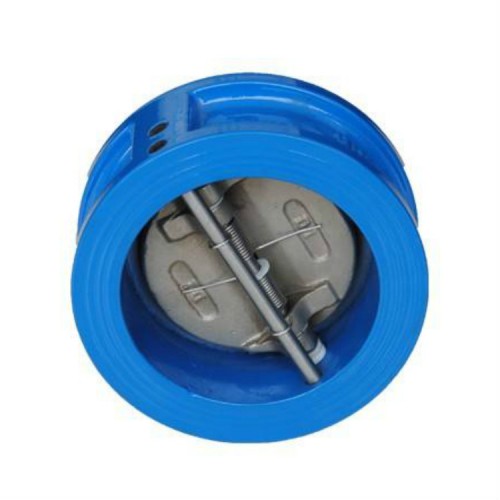
Check valves, also known as non-return valves, are designed to allow fluid to flow in one direction while preventing reverse flow. They are commonly used to maintain the flow of fluid in a single direction and to prevent backflow, which can cause damage or contamination in a system. Check valves can be classified based on their design and application:
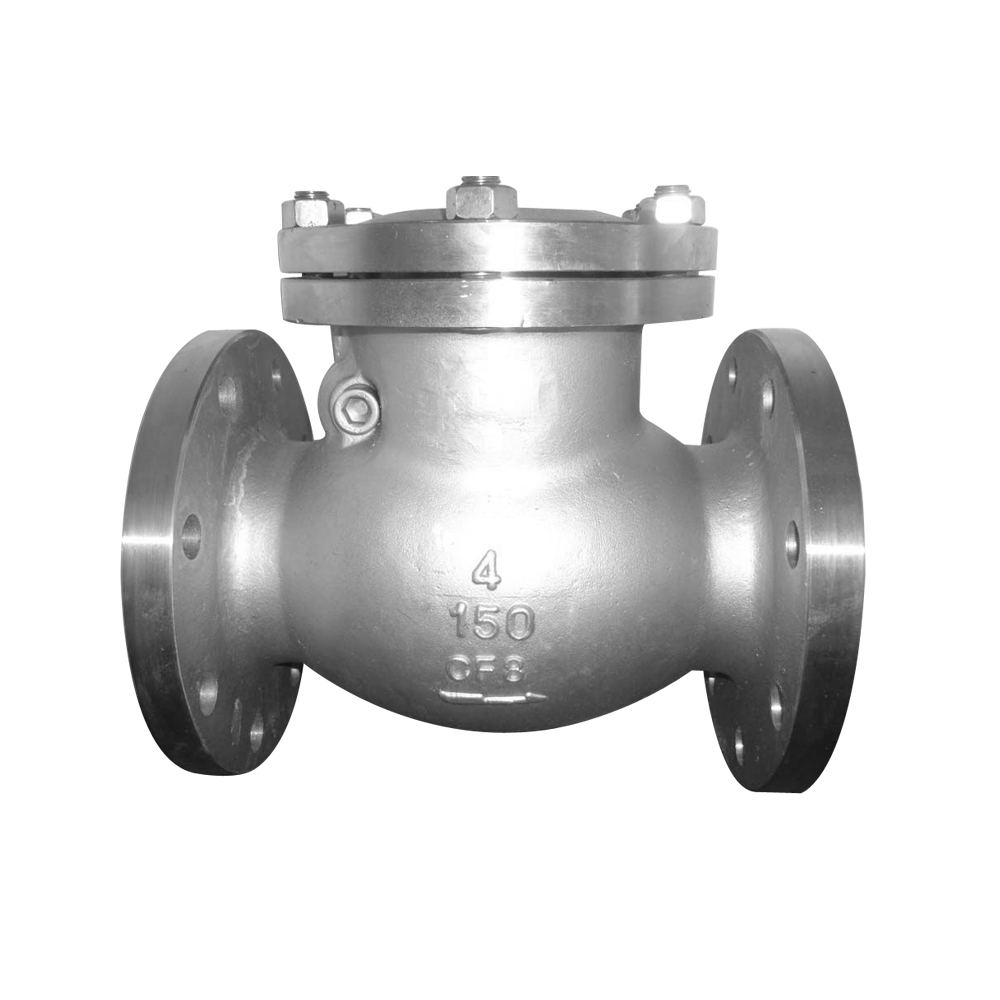
1. Swing Check Valve: This type of check valve uses a hinged disc to block reverse flow. When the forward flow stops, the disc swings into a closed position to prevent backflow. Swing check valves are suitable for applications with moderate flow rates and are commonly used in water and wastewater systems.
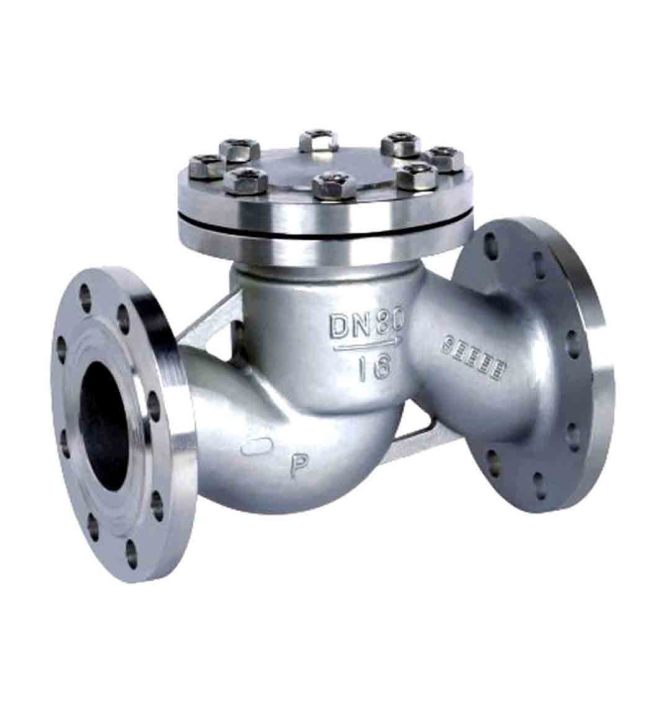
2. Lift Check Valve: Lift check valves use a guided disc that moves up and down to control the flow. When the forward flow stops, the disc is lifted to allow flow, and when the flow reverses, the disc is forced back onto the seat to prevent backflow. Lift check valves are often used in high-pressure and high-temperature applications.
Check valves are essential components in various industries, including oil and gas, chemical processing, water treatment, and HVAC systems, where maintaining flow direction and preventing backflow are critical for system performance and safety.
When Should I Use A Check Valve?
A check valve should be used in applications where backflow prevention is essential. This includes situations where the reversal of flow could cause damage to equipment, contamination of the system, or safety hazards. Check valves are commonly employed in various systems such as water and wastewater treatment, pumping systems, HVAC systems, and industrial processes where maintaining flow direction and preventing backflow are critical. Additionally, check valves are often used in combination with pumps to prevent the backflow of fluid when the pump is not in operation. In summary, check valves are utilized in scenarios where ensuring unidirectional flow and preventing reverse flow are vital for the efficient and safe operation of the system.












































































