


 galego
 africano
 albanés
 amárico
 árabe
árabe
 armenio
 azerbaiyano
 vasco
vasco
 bielorruso
 bengalí
 bosníaco
 búlgaro
 catalán
 Cebuano
 corso
corso
 croata
 checo
checo
 danés
danés
 holandés
 inglés
 Esperanto
 Estonio
 finés
finés
 francés
 frisona
 xeorxiano
 alemán
 grego
grego
 Gujarati
 crioulo haitiano
 hausa
hausa
 hawaiano
 hebreo
 non
non
 Miao
Miao
 húngaro
 islandés
 igbo
igbo
 indonesio
 irlandesa
 italiano
 xaponés
 xavanés
 Kannada
 casco
casco
 Khmer
Khmer
 Ruandés
 coreano
 kurdo
kurdo
 Kirguises
 TB
TB
 latín
latín
 letón
letón
 lituano
 luxemburgués
 macedonio
 Malgashi
 malaio
 malayalam
 maltés
 maorí
maorí
 Marathi
 mongol
 Myanmar
 nepalí
 noruegués
 noruegués
 occitano
 Pashto
 persa
persa
 polaco
 portugués
 Punjabi
 romanés
 ruso
ruso
 samoano
 Gaélico escocés
 serbio
 inglés
 Shona
Shona
 Sindhi
 cingalés
 eslovaco
 esloveno
 somalí
 español
 sundanés
 suahili
 sueco
sueco
 Tagalo
 taxico
 Tamil
Tamil
 tártaro
 Telugu
 tailandés
 turco
turco
 turcomano
 ucraíno
 Urdú
Urdú
 uigur
uigur
 uzbeco
 vietnamita
 galés
galés
 Axuda
Axuda
 yiddish
 ioruba
 Zulú
Zulú


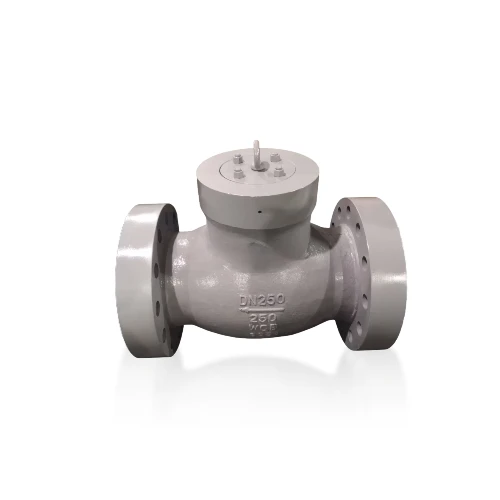
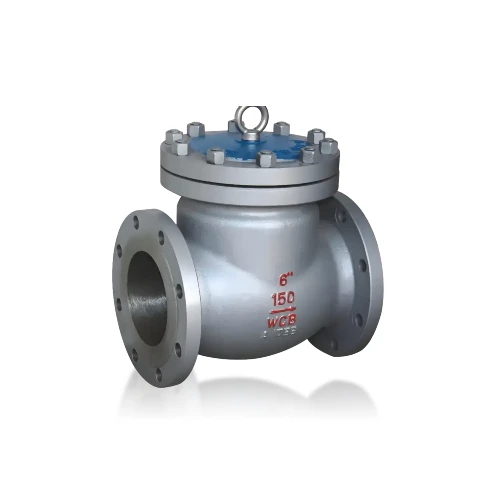
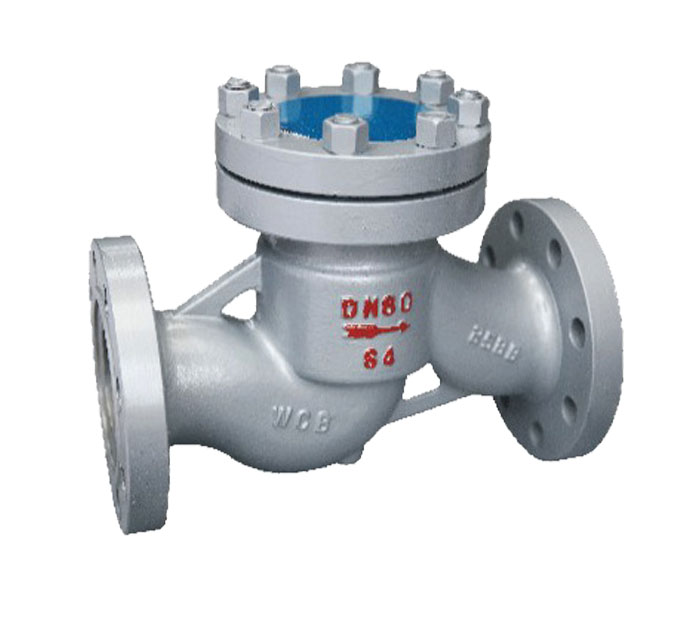
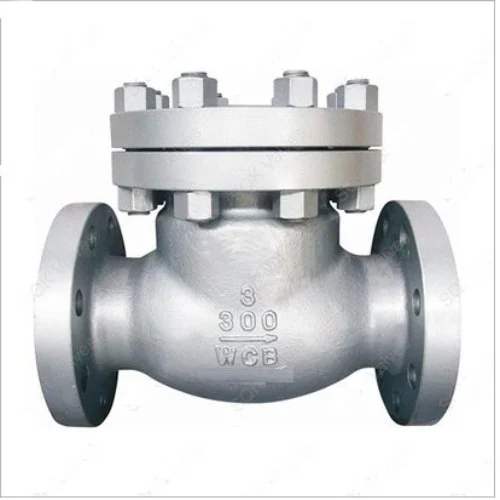
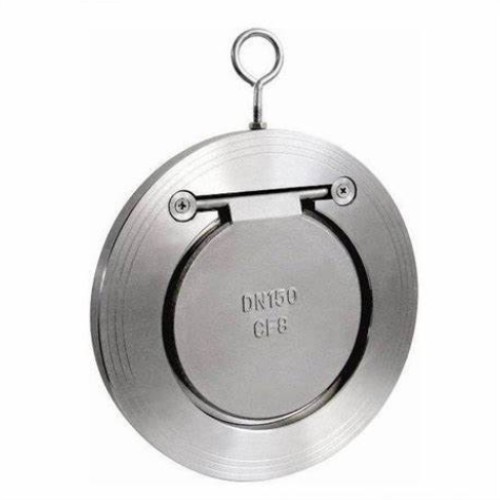
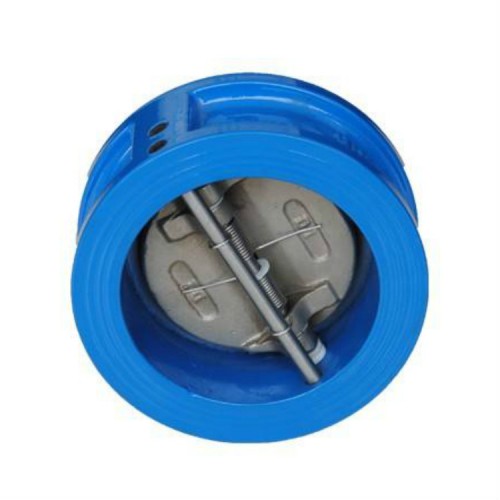
Check valves, also known as non-return valves, are designed to allow fluid to flow in one direction while preventing reverse flow. They are commonly used to maintain the flow of fluid in a single direction and to prevent backflow, which can cause damage or contamination in a system. Check valves can be classified based on their design and application:
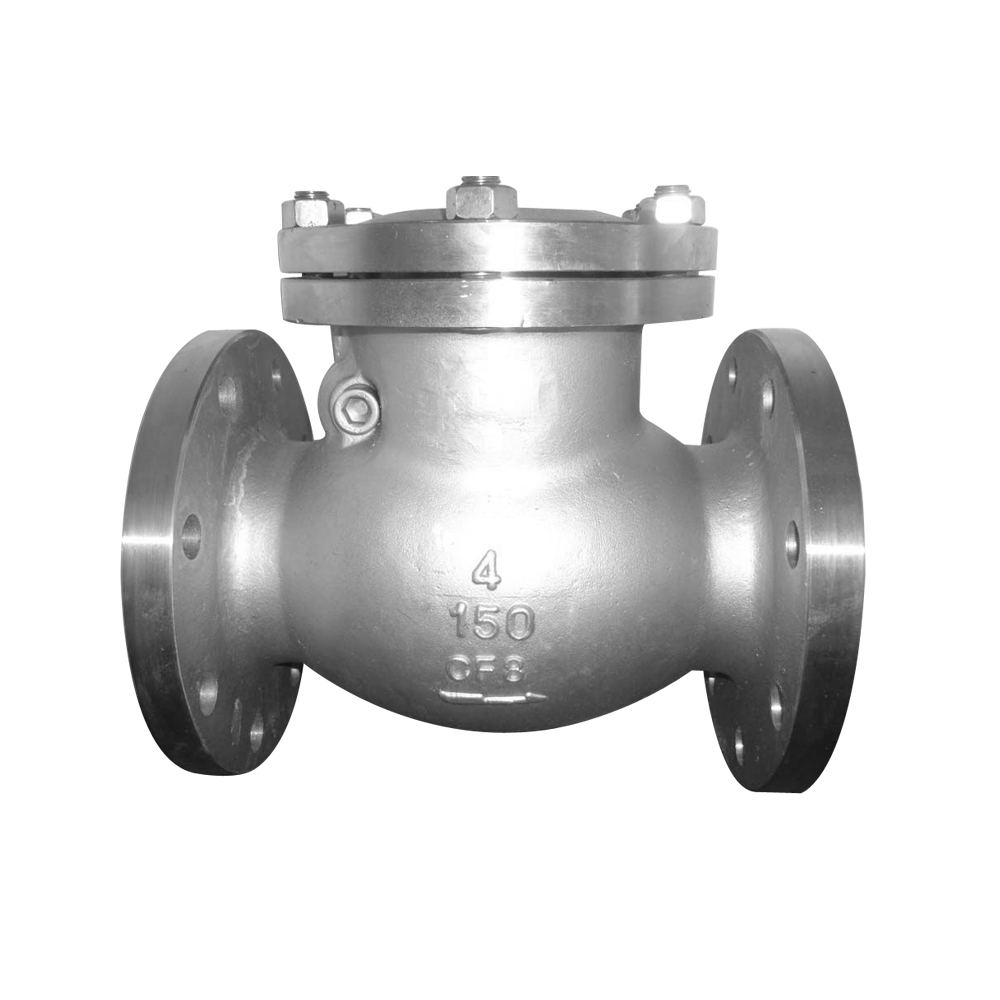
1. Swing Check Valve: This type of check valve uses a hinged disc to block reverse flow. When the forward flow stops, the disc swings into a closed position to prevent backflow. Swing check valves are suitable for applications with moderate flow rates and are commonly used in water and wastewater systems.
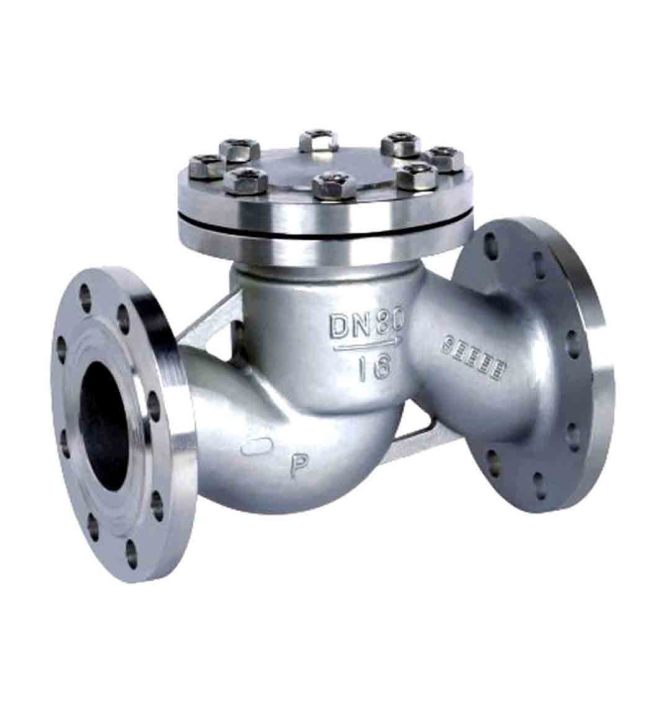
2. Lift Check Valve: Lift check valves use a guided disc that moves up and down to control the flow. When the forward flow stops, the disc is lifted to allow flow, and when the flow reverses, the disc is forced back onto the seat to prevent backflow. Lift check valves are often used in high-pressure and high-temperature applications.
Check valves are essential components in various industries, including oil and gas, chemical processing, water treatment, and HVAC systems, where maintaining flow direction and preventing backflow are critical for system performance and safety.
When Should I Use A Check Valve?
A check valve should be used in applications where backflow prevention is essential. This includes situations where the reversal of flow could cause damage to equipment, contamination of the system, or safety hazards. Check valves are commonly employed in various systems such as water and wastewater treatment, pumping systems, HVAC systems, and industrial processes where maintaining flow direction and preventing backflow are critical. Additionally, check valves are often used in combination with pumps to prevent the backflow of fluid when the pump is not in operation. In summary, check valves are utilized in scenarios where ensuring unidirectional flow and preventing reverse flow are vital for the efficient and safe operation of the system.












































































