


 Türkçe
 Afrikalı
 Arnavut
 Amharca
 Arapça
 Ermeni
 Azerice
 Bask
Bask
 Belarusça
 Bengalce
 Boşnakça
 Bulgarca
 Katalanca
 Cebuano
 Korsikalı
 Hırvat
 Çek
Çek
 Danimarka
 Flemenkçe
 İngilizce
 Esperanto
 Estonyalı
 Fince
Fince
 Fransızca
 Frizce
 Galiçyaca
 Gürcüce
 Almanca
 Yunan
Yunan
 Gujarati
 Haiti Kreyolu
 Hausa
Hausa
 Hawaii dili
 İbranice
 Hayır
Hayır
 Miao
Miao
 Macarca
 İzlandaca
 İbo
İbo
 Endonezya dili
 İrlandalı
 İtalyan
 Japonca
 Cava
Cava
 Kannadaca
 Kazak
Kazak
 Kmer
Kmer
 Ruanda
 Koreli
 Kürt
Kürt
 Kırgız
 TB
TB
 Latince
 Letonca
 Litvanyalı
 Lüksemburgca
 Makedonca
 Malgaşi
 Malayca
 Malayalam
 Malta
Malta
 Maori
Maori
 Marathi
 Moğolca
 Myanmar
 Nepalce
 Norveççe
 Norveççe
 Oksitanca
 Peştuca
 Farsça
 Lehçe
Lehçe
 Portekizce
 Pencap
 Romen
Romen
 Rusça
Rusça
 Samoalı
 İskoç Galcesi
 Sırpça
 İngilizce
 Shona
Shona
 Sindhi
 Sinhala
 Slovak
 Slovence
 Somalili
 İspanyol
 Sundan dili
 Svahili
 İsveççe
 Tagalogca
 Tacikçe
 Tamilce
 Tatar
Tatar
 Telugu
 Tay dili
 Türkmence
 Ukrayna
 Urduca
 Uygur
Uygur
 Özbekçe
 Vietnam
 Galce
Galce
 Yardım
 Yidiş
Yidiş
 Yoruba
 Zuluca


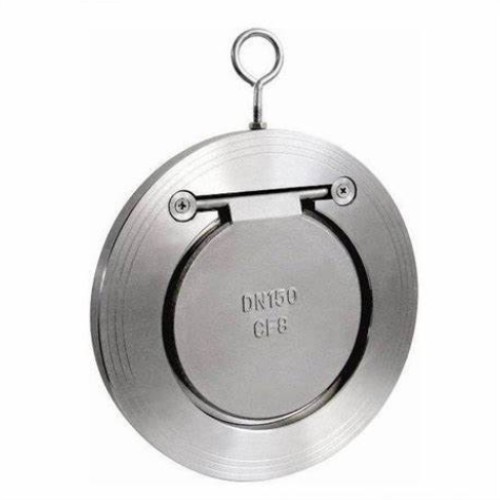
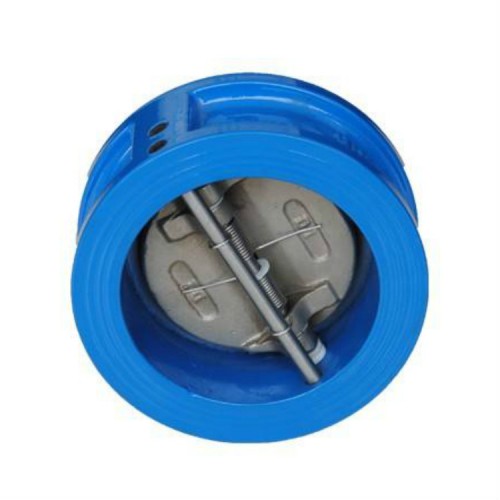
Check valves, also known as non-return valves, are designed to allow fluid to flow in one direction while preventing reverse flow. They are commonly used to maintain the flow of fluid in a single direction and to prevent backflow, which can cause damage or contamination in a system. Check valves can be classified based on their design and application:
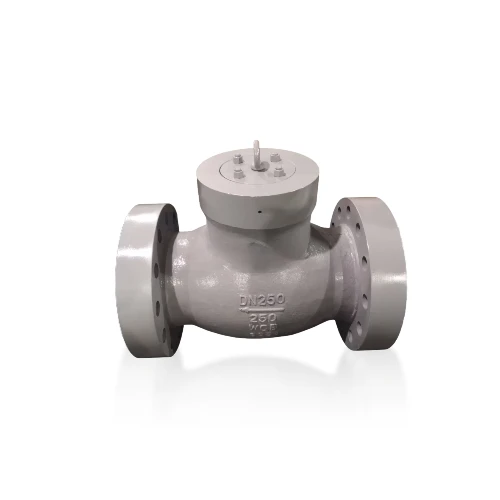
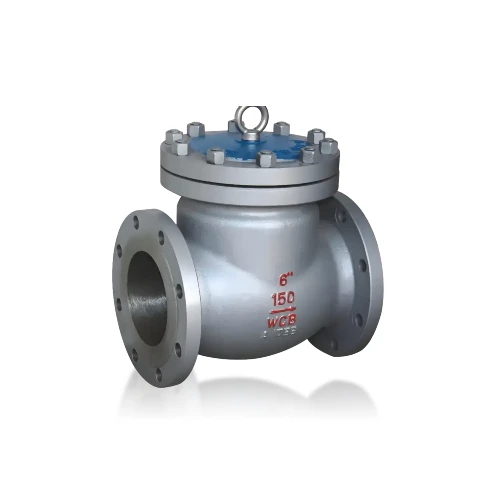
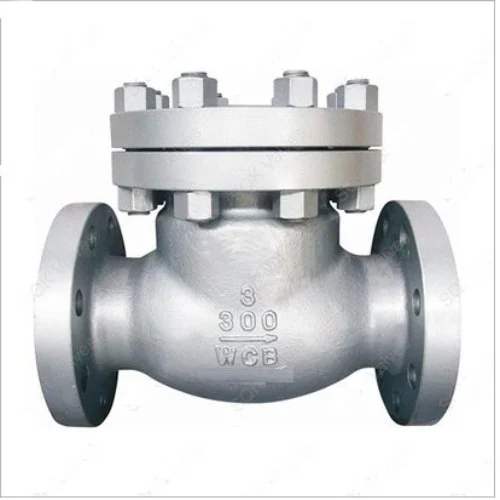
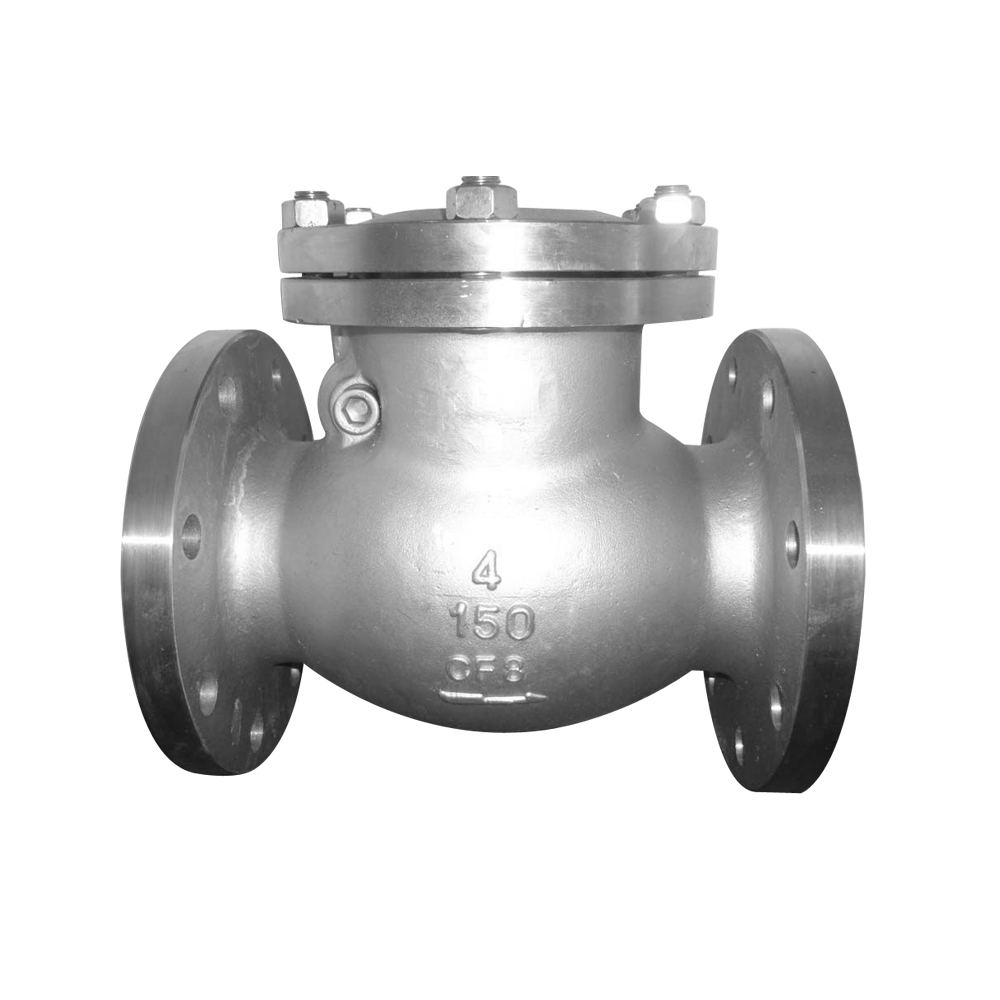
1. Swing Check Valve: This type of check valve uses a hinged disc to block reverse flow. When the forward flow stops, the disc swings into a closed position to prevent backflow. Swing check valves are suitable for applications with moderate flow rates and are commonly used in water and wastewater systems.
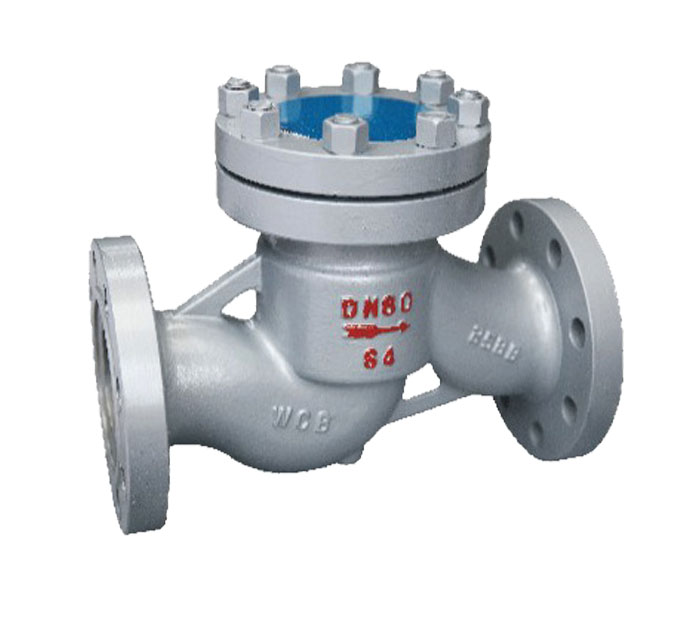
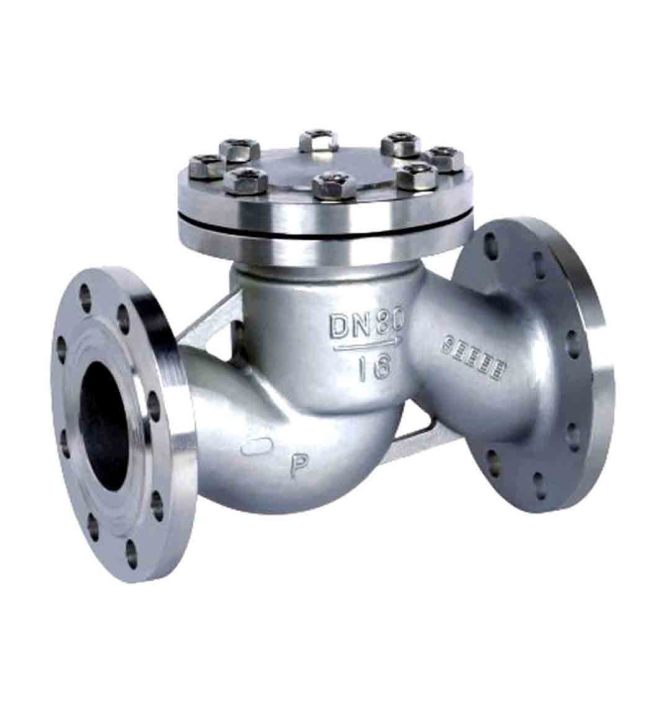
2. Lift Check Valve: Lift check valves use a guided disc that moves up and down to control the flow. When the forward flow stops, the disc is lifted to allow flow, and when the flow reverses, the disc is forced back onto the seat to prevent backflow. Lift check valves are often used in high-pressure and high-temperature applications.
Check valves are essential components in various industries, including oil and gas, chemical processing, water treatment, and HVAC systems, where maintaining flow direction and preventing backflow are critical for system performance and safety.
When Should I Use A Check Valve?
A check valve should be used in applications where backflow prevention is essential. This includes situations where the reversal of flow could cause damage to equipment, contamination of the system, or safety hazards. Check valves are commonly employed in various systems such as water and wastewater treatment, pumping systems, HVAC systems, and industrial processes where maintaining flow direction and preventing backflow are critical. Additionally, check valves are often used in combination with pumps to prevent the backflow of fluid when the pump is not in operation. In summary, check valves are utilized in scenarios where ensuring unidirectional flow and preventing reverse flow are vital for the efficient and safe operation of the system.












































































