


 Türkçe
 Afrikalı
 Arnavut
 Amharca
 Arapça
 Ermeni
 Azerice
 Bask
Bask
 Belarusça
 Bengalce
 Boşnakça
 Bulgarca
 Katalanca
 Cebuano
 Korsikalı
 Hırvat
 Çek
Çek
 Danimarka
 Flemenkçe
 İngilizce
 Esperanto
 Estonyalı
 Fince
Fince
 Fransızca
 Frizce
 Galiçyaca
 Gürcüce
 Almanca
 Yunan
Yunan
 Gujarati
 Haiti Kreyolu
 Hausa
Hausa
 Hawaii dili
 İbranice
 Hayır
Hayır
 Miao
Miao
 Macarca
 İzlandaca
 İbo
İbo
 Endonezya dili
 İrlandalı
 İtalyan
 Japonca
 Cava
Cava
 Kannadaca
 Kazak
Kazak
 Kmer
Kmer
 Ruanda
 Koreli
 Kürt
Kürt
 Kırgız
 TB
TB
 Latince
 Letonca
 Litvanyalı
 Lüksemburgca
 Makedonca
 Malgaşi
 Malayca
 Malayalam
 Malta
Malta
 Maori
Maori
 Marathi
 Moğolca
 Myanmar
 Nepalce
 Norveççe
 Norveççe
 Oksitanca
 Peştuca
 Farsça
 Lehçe
Lehçe
 Portekizce
 Pencap
 Romen
Romen
 Rusça
Rusça
 Samoalı
 İskoç Galcesi
 Sırpça
 İngilizce
 Shona
Shona
 Sindhi
 Sinhala
 Slovak
 Slovence
 Somalili
 İspanyol
 Sundan dili
 Svahili
 İsveççe
 Tagalogca
 Tacikçe
 Tamilce
 Tatar
Tatar
 Telugu
 Tay dili
 Türkmence
 Ukrayna
 Urduca
 Uygur
Uygur
 Özbekçe
 Vietnam
 Galce
Galce
 Yardım
 Yidiş
Yidiş
 Yoruba
 Zuluca


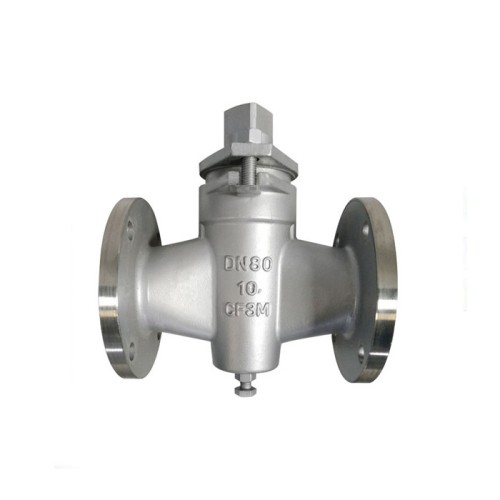
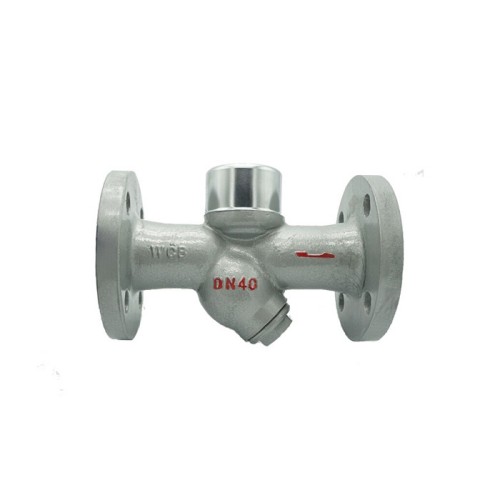
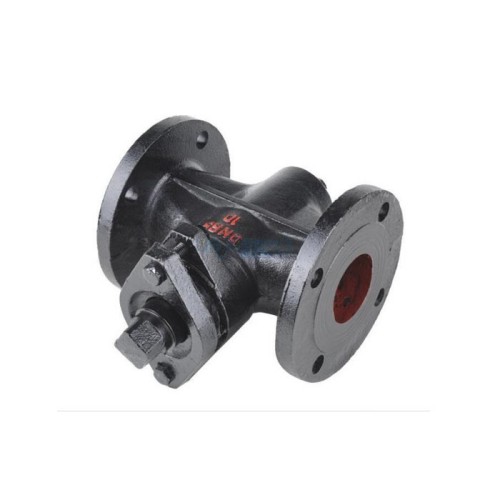
Plug valve is a type of quarter-turn valve that uses a cylindrical or tapered plug to control the flow of fluid through the valve. The plug can be rotated within the valve body to allow or block the flow, making it a versatile and reliable option for various applications. Plug valves are commonly used in industries such as oil and gas, chemical processing, and water treatment, where they are valued for their ability to provide tight shutoff and low maintenance requirements. These valves are suitable for on/off and throttling applications, and they are often used in systems where frequent operation and positive shutoff are essential. The design of plug valves allows for quick and easy operation, making them well-suited for applications that require rapid response to flow control changes. Additionally, plug valves are available in various configurations, including lubricated plug valves, non-lubricated plug valves, and sleeved plug valves, each offering specific advantages for different operating conditions. Proper selection and maintenance of plug valves are essential to ensure their reliable performance and longevity within the fluid system.
What Is The Difference Between A Plug Valve And A Gate Valve?
The main difference between a plug valve and a gate valve lies in their internal mechanisms and how they control the flow of fluid.
Plug valve uses a cylindrical or tapered plug to control the flow. The plug can be rotated within the valve body to allow or block the flow, making it a versatile option for various applications. Plug valves are commonly used for on/off and throttling applications, and they are known for their tight shutoff capabilities and low maintenance requirements.
On the other hand, gate valve controls the flow of fluid using a gate or wedge that moves up and down to either block or allow the flow. Gate valves are typically used for fully open or fully closed applications, rather than for throttling. They are known for their ability to provide a tight seal when fully closed, but they may not offer the same level of control as plug valves in throttling applications.
In summary, the key difference is that plug valves use a cylindrical or tapered plug to control flow and are suitable for both on/off and throttling applications, while gate valves use a gate or wedge to control flow and are primarily used for fully open or fully closed applications.












































































