


 عربي
عربي
 الأفريقي
 الألبانية
 الأمهرية
 الأرمينية
 أذربيجاني
 الباسك
 البيلاروسية
 البنغالية
 البوسنية
 البلغارية
 الكاتالونية
 السيبيونو
 الكورسيكية
 الكرواتية
 التشيكية
 دانماركي
 هولندي
 إنجليزي
 الاسبرانتو
 الإستونية
 الفنلندية
 فرنسي
فرنسي
 الفريزية
 الجاليكية
 الجورجية
 ألمانية
 اليونانية
 الغوجاراتية
 الكريولية الهايتية
 الهوسا
 هاواي
هاواي
 اللغة العبرية
 لا
لا
 مياو
مياو
 المجرية
 الأيسلندية
 الإيغبو
 الاندونيسية
 الأيرلندية
 ايطالي
 اليابانية
 الجاوية
 الكانادا
 الكازاخستانية
 الخمير
 الرواندية
 الكورية
 كردي
كردي
 قيرغيزستان
 السل
السل
 اللاتينية
 لاتفيا
 الليتوانية
 اللوكسمبرجية
 المقدونية
 Malgashi
 لغة الملايو
 المالايالامية
 المالطية
 الماوري
 المهاراتية
 المنغولية
 ميانمار
 النيبالية
 النرويجية
 النرويجية
 الأوكيتانية
 الباشتو
 اللغة الفارسية
 تلميع
تلميع
 البرتغالية
 البنجابية
 روماني
 الروسية
 ساموا
ساموا
 الغيلية الاسكتلندية
 الصربية
 إنجليزي
 شونا
شونا
 السندية
 السنهالية
 السلوفاكية
 السلوفينية
 الصومالية
 الأسبانية
 السودانية
 السواحلية
 السويدية
 التاغالوغية
 الطاجيكية
 التاميل
 التتار
 التيلجو
 التايلاندية
 اللغة التركية
 التركمان
 الأوكرانية
 الأردية
 الأويغور
 الأوزبكية
 الفيتنامية
 تهرب من دفع الرهان
 يساعد
يساعد
 اليديشية
 اليوروبا
 الزولو


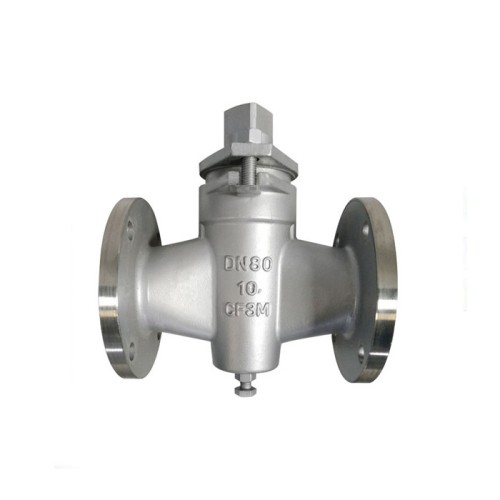
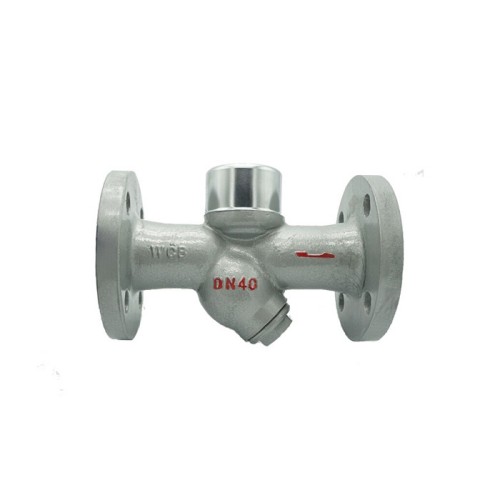
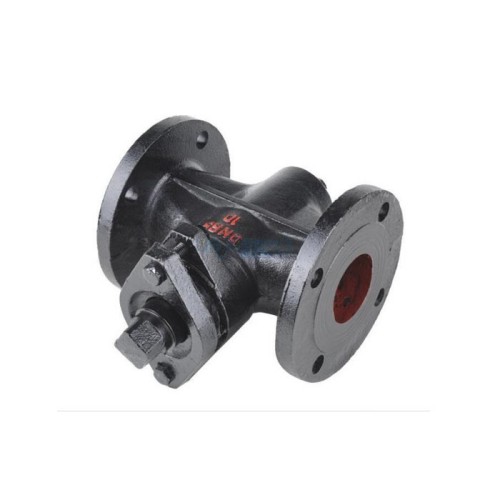
Plug valve is a type of quarter-turn valve that uses a cylindrical or tapered plug to control the flow of fluid through the valve. The plug can be rotated within the valve body to allow or block the flow, making it a versatile and reliable option for various applications. Plug valves are commonly used in industries such as oil and gas, chemical processing, and water treatment, where they are valued for their ability to provide tight shutoff and low maintenance requirements. These valves are suitable for on/off and throttling applications, and they are often used in systems where frequent operation and positive shutoff are essential. The design of plug valves allows for quick and easy operation, making them well-suited for applications that require rapid response to flow control changes. Additionally, plug valves are available in various configurations, including lubricated plug valves, non-lubricated plug valves, and sleeved plug valves, each offering specific advantages for different operating conditions. Proper selection and maintenance of plug valves are essential to ensure their reliable performance and longevity within the fluid system.
What Is The Difference Between A Plug Valve And A Gate Valve?
The main difference between a plug valve and a gate valve lies in their internal mechanisms and how they control the flow of fluid.
Plug valve uses a cylindrical or tapered plug to control the flow. The plug can be rotated within the valve body to allow or block the flow, making it a versatile option for various applications. Plug valves are commonly used for on/off and throttling applications, and they are known for their tight shutoff capabilities and low maintenance requirements.
On the other hand, gate valve controls the flow of fluid using a gate or wedge that moves up and down to either block or allow the flow. Gate valves are typically used for fully open or fully closed applications, rather than for throttling. They are known for their ability to provide a tight seal when fully closed, but they may not offer the same level of control as plug valves in throttling applications.
In summary, the key difference is that plug valves use a cylindrical or tapered plug to control flow and are suitable for both on/off and throttling applications, while gate valves use a gate or wedge to control flow and are primarily used for fully open or fully closed applications.












































































