


 українська
 африканський
 албанець
 амхарська
 арабська
 вірменський
 Азербайджанська
 Баскська
 білоруська
 Бенгальська
 боснійський
 Болгарська
 каталонська
 Себуано
 Корсиканець
 Хорватська
 чеська
 датська
 голландська
 англійська
 Есперанто
 Естонська
 фінська
 французька
 фризька
 галицький
 грузинський
 Німецький
 грецька
 Гуджараті
 Гаїтянська креольська
 хауса
хауса
 гавайський
 іврит
іврит
 ні
ні
 Мяо
Мяо
 угорська
 ісландська
 ігбо
ігбо
 індонезійська
 ірландський
 італійська
 Японський
 яванський
 каннада
 казахська
 кхмерська
 Руанда
 корейська
 курдська
 киргизький
 туберкульоз
 латинь
 латиська
 литовський
 люксембурзький
 македонська
 Малгаші
 малайська
 малаялам
 мальтійська
 Маорі
Маорі
 маратхі
 монгольська
 М'янма
 Непальська
 норвезька
 норвезька
 Окситанська
 пушту
пушту
 перська
 польський
 португальська
 Пенджабі
 румунська
 російський
 Самоанська
 Шотландська гельська
 сербська
 англійська
 Шона
Шона
 Сіндхі
 сингальська
 словацький
 словенська
 сомалі
 Іспанська
 Сунданська
 Суахілі
 шведська
 тагальська
 таджицька
 тамільська
 татарський
 Телугу
 тайська
 турецька
 туркменський
 урду
урду
 уйгурський
 узбецький
 в'єтнамська
 Валлійська
 Довідка
 ідиш
ідиш
 йоруба
 Зулу
Зулу


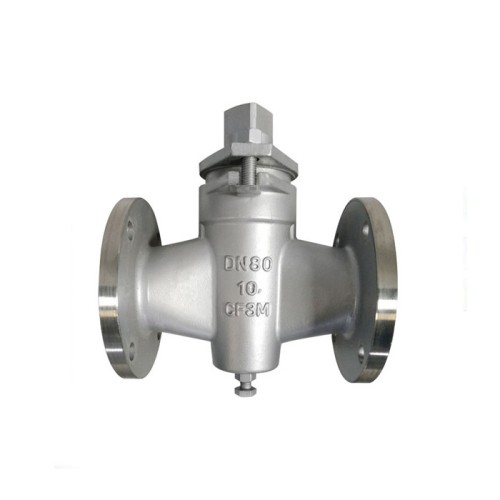
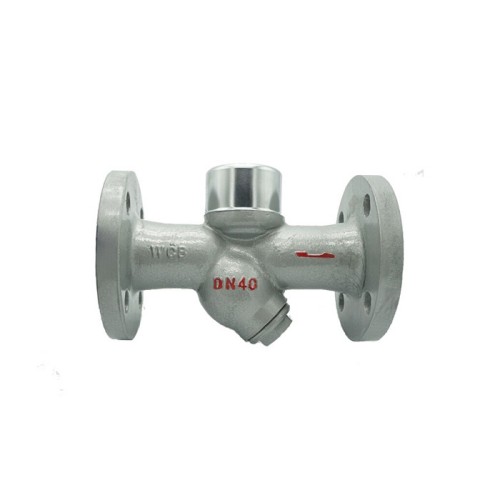
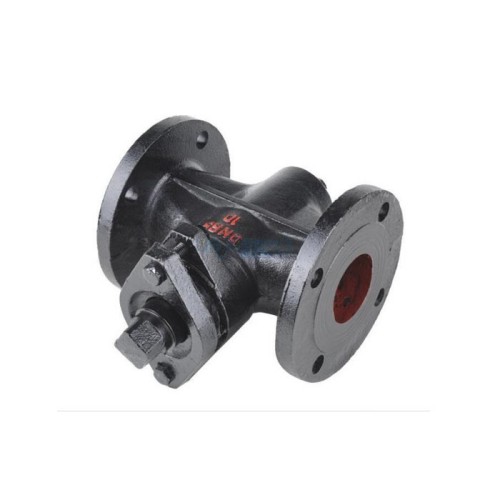
Plug valve is a type of quarter-turn valve that uses a cylindrical or tapered plug to control the flow of fluid through the valve. The plug can be rotated within the valve body to allow or block the flow, making it a versatile and reliable option for various applications. Plug valves are commonly used in industries such as oil and gas, chemical processing, and water treatment, where they are valued for their ability to provide tight shutoff and low maintenance requirements. These valves are suitable for on/off and throttling applications, and they are often used in systems where frequent operation and positive shutoff are essential. The design of plug valves allows for quick and easy operation, making them well-suited for applications that require rapid response to flow control changes. Additionally, plug valves are available in various configurations, including lubricated plug valves, non-lubricated plug valves, and sleeved plug valves, each offering specific advantages for different operating conditions. Proper selection and maintenance of plug valves are essential to ensure their reliable performance and longevity within the fluid system.
What Is The Difference Between A Plug Valve And A Gate Valve?
The main difference between a plug valve and a gate valve lies in their internal mechanisms and how they control the flow of fluid.
Plug valve uses a cylindrical or tapered plug to control the flow. The plug can be rotated within the valve body to allow or block the flow, making it a versatile option for various applications. Plug valves are commonly used for on/off and throttling applications, and they are known for their tight shutoff capabilities and low maintenance requirements.
On the other hand, gate valve controls the flow of fluid using a gate or wedge that moves up and down to either block or allow the flow. Gate valves are typically used for fully open or fully closed applications, rather than for throttling. They are known for their ability to provide a tight seal when fully closed, but they may not offer the same level of control as plug valves in throttling applications.
In summary, the key difference is that plug valves use a cylindrical or tapered plug to control flow and are suitable for both on/off and throttling applications, while gate valves use a gate or wedge to control flow and are primarily used for fully open or fully closed applications.












































































