


 català
 africana
 albanès
 amàric
 àrab
àrab
 armeni
 azerbaidjana
 basc
basc
 Bielorús
 bengalí
 bosnià
 búlgar
 Cebuà
Cebuà
 Cors
Cors
 croat
croat
 txec
txec
 danès
danès
 holandès
 Anglès
 esperanto
 estonià
 finès
finès
 francès
 frisó
frisó
 gallec
 georgiana
 alemany
 grec
grec
 Gujarati
 crioll haitiano
 hausa
hausa
 hawaià
 hebreu
 No
No
 Miao
Miao
 hongarès
 islandès
 igbo
igbo
 indonesi
 irlandesa
 italià
 japonès
 javanès
 Kannada
 kazakh
 Khmer
Khmer
 Ruandès
 coreà
coreà
 kurd
kurd
 kirguis
 TB
TB
 llatí
llatí
 letó
letó
 lituà
lituà
 luxemburguesa
 macedoni
 Malgashi
 Malai
Malai
 malayalam
 maltès
 Maori
Maori
 Marathi
 mongol
 Myanmar
 nepalí
 noruec
 noruec
 occità
 Pashto
 persa
persa
 polonès
 portuguès
 panjabi
 romanès
 rus
rus
 samoà
samoà
 Gaèlic escocès
 serbi
serbi
 Anglès
 Shona
Shona
 Sindhi
 Sinhala
 eslovac
 eslovè
 Somali
 espanyol
 Sundanès
 suahili
 suec
suec
 Tagalog
 Tadjik
 Tamil
Tamil
 Tàrtar
 Telugu
 tailandès
 turc
turc
 turcomà
 Ucraïnès
 Urdú
Urdú
 uigur
uigur
 Uzbek
Uzbek
 vietnamita
 gal·lès
 Ajuda
Ajuda
 Yiddish
 ioruba
 Zulu
Zulu


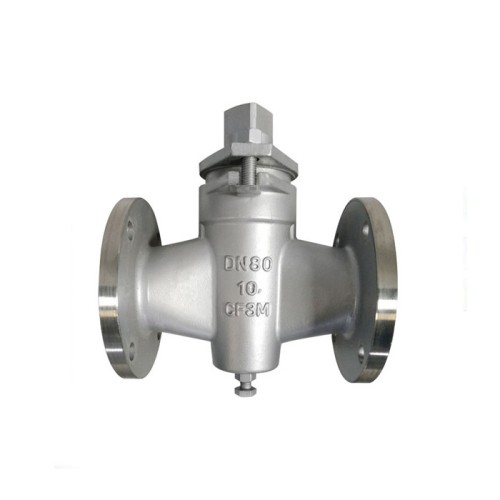
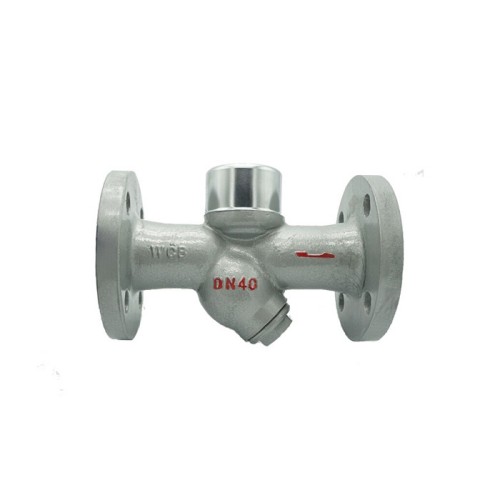
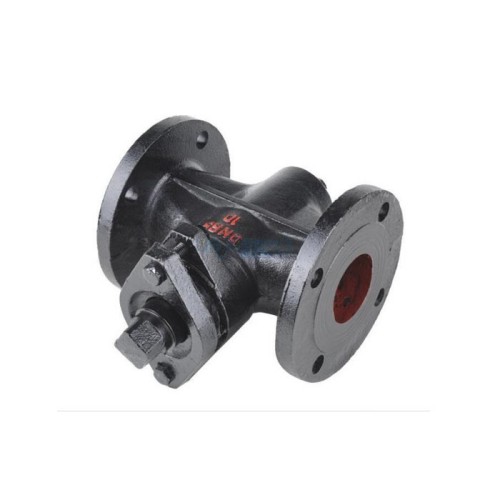
Plug valve is a type of quarter-turn valve that uses a cylindrical or tapered plug to control the flow of fluid through the valve. The plug can be rotated within the valve body to allow or block the flow, making it a versatile and reliable option for various applications. Plug valves are commonly used in industries such as oil and gas, chemical processing, and water treatment, where they are valued for their ability to provide tight shutoff and low maintenance requirements. These valves are suitable for on/off and throttling applications, and they are often used in systems where frequent operation and positive shutoff are essential. The design of plug valves allows for quick and easy operation, making them well-suited for applications that require rapid response to flow control changes. Additionally, plug valves are available in various configurations, including lubricated plug valves, non-lubricated plug valves, and sleeved plug valves, each offering specific advantages for different operating conditions. Proper selection and maintenance of plug valves are essential to ensure their reliable performance and longevity within the fluid system.
What Is The Difference Between A Plug Valve And A Gate Valve?
The main difference between a plug valve and a gate valve lies in their internal mechanisms and how they control the flow of fluid.
Plug valve uses a cylindrical or tapered plug to control the flow. The plug can be rotated within the valve body to allow or block the flow, making it a versatile option for various applications. Plug valves are commonly used for on/off and throttling applications, and they are known for their tight shutoff capabilities and low maintenance requirements.
On the other hand, gate valve controls the flow of fluid using a gate or wedge that moves up and down to either block or allow the flow. Gate valves are typically used for fully open or fully closed applications, rather than for throttling. They are known for their ability to provide a tight seal when fully closed, but they may not offer the same level of control as plug valves in throttling applications.
In summary, the key difference is that plug valves use a cylindrical or tapered plug to control flow and are suitable for both on/off and throttling applications, while gate valves use a gate or wedge to control flow and are primarily used for fully open or fully closed applications.












































































