


 čeština
 Afričan
 albánský
 amharština
 arabština
 arménský
 ázerbájdžánský
 baskický
 běloruský
 bengálský
 bosenský
 bulharský
 katalánština
 Cebuano
 Korsičan
 chorvatský
 dánština
 holandský
 Angličtina
 esperanto
 estonština
 finština
 francouzština
 fríský
 galicijský
 gruzínský
 Němec
Němec
 řecký
řecký
 Gudžarátština
 haitská kreolština
 hausa
hausa
 havajský
 hebrejština
 ani náhodou
 Miao
Miao
 maďarský
 islandský
 igbo
igbo
 indonéština
 irština
 italština
 japonský
 jávský
 Kannada
 kazašský
 khmerské
 Rwandské
 korejština
 kurdština
 kyrgyzština
 TBC
TBC
 latinský
 lotyšský
 litevský
 lucemburský
 makedonský
 Malgashi
 malajština
 malajálamština
 maltština
 maorští
 maráthština
 mongolský
 Myanmar
 nepálský
 norský
 norský
 okcitánština
 paštština
 Peršan
 polština
 portugalština
 pandžábština
 rumunština
 ruština
 Samoan
 skotská gaelština
 srbština
 Angličtina
 Shona
Shona
 Sindhi
 sinhálština
 Slovák
 slovinský
 somálský
 španělština
 sundánština
 svahilština
 švédský
 Tagalog
 tádžický
 tamilština
 Tatar
Tatar
 telugština
 thajština
 turečtina
 turkmenský
 ukrajinština
 Urdu
Urdu
 ujgurské
 uzbecký
 vietnamština
 velština
 Pomoc
Pomoc
 jidiš
jidiš
 jorubština
 Zulu
Zulu


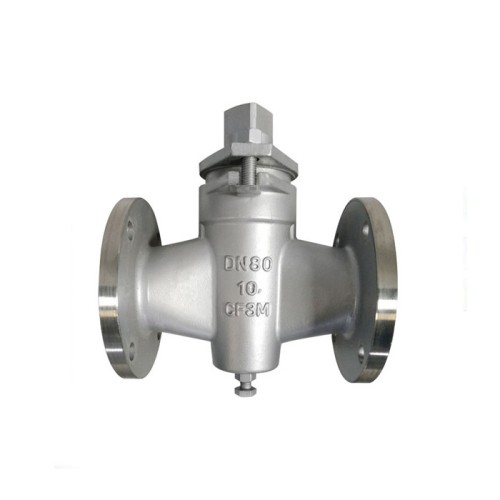
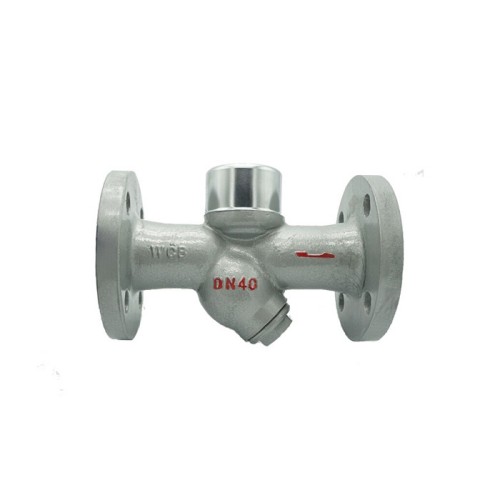
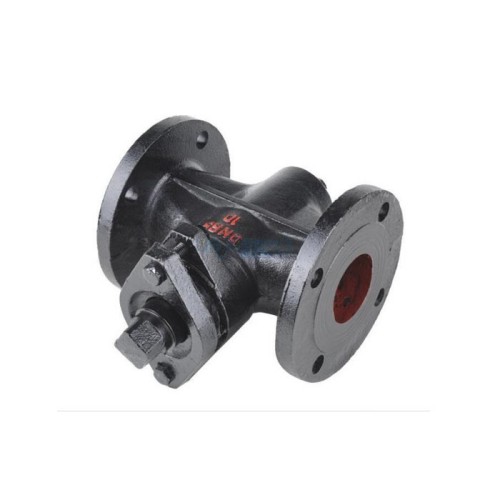
Plug valve is a type of quarter-turn valve that uses a cylindrical or tapered plug to control the flow of fluid through the valve. The plug can be rotated within the valve body to allow or block the flow, making it a versatile and reliable option for various applications. Plug valves are commonly used in industries such as oil and gas, chemical processing, and water treatment, where they are valued for their ability to provide tight shutoff and low maintenance requirements. These valves are suitable for on/off and throttling applications, and they are often used in systems where frequent operation and positive shutoff are essential. The design of plug valves allows for quick and easy operation, making them well-suited for applications that require rapid response to flow control changes. Additionally, plug valves are available in various configurations, including lubricated plug valves, non-lubricated plug valves, and sleeved plug valves, each offering specific advantages for different operating conditions. Proper selection and maintenance of plug valves are essential to ensure their reliable performance and longevity within the fluid system.
What Is The Difference Between A Plug Valve And A Gate Valve?
The main difference between a plug valve and a gate valve lies in their internal mechanisms and how they control the flow of fluid.
Plug valve uses a cylindrical or tapered plug to control the flow. The plug can be rotated within the valve body to allow or block the flow, making it a versatile option for various applications. Plug valves are commonly used for on/off and throttling applications, and they are known for their tight shutoff capabilities and low maintenance requirements.
On the other hand, gate valve controls the flow of fluid using a gate or wedge that moves up and down to either block or allow the flow. Gate valves are typically used for fully open or fully closed applications, rather than for throttling. They are known for their ability to provide a tight seal when fully closed, but they may not offer the same level of control as plug valves in throttling applications.
In summary, the key difference is that plug valves use a cylindrical or tapered plug to control flow and are suitable for both on/off and throttling applications, while gate valves use a gate or wedge to control flow and are primarily used for fully open or fully closed applications.












































































