


 čeština
 Afričan
 albánský
 amharština
 arabština
 arménský
 ázerbájdžánský
 baskický
 běloruský
 bengálský
 bosenský
 bulharský
 katalánština
 Cebuano
 Korsičan
 chorvatský
 dánština
 holandský
 Angličtina
 esperanto
 estonština
 finština
 francouzština
 fríský
 galicijský
 gruzínský
 Němec
Němec
 řecký
řecký
 Gudžarátština
 haitská kreolština
 hausa
hausa
 havajský
 hebrejština
 ani náhodou
 Miao
Miao
 maďarský
 islandský
 igbo
igbo
 indonéština
 irština
 italština
 japonský
 jávský
 Kannada
 kazašský
 khmerské
 Rwandské
 korejština
 kurdština
 kyrgyzština
 TBC
TBC
 latinský
 lotyšský
 litevský
 lucemburský
 makedonský
 Malgashi
 malajština
 malajálamština
 maltština
 maorští
 maráthština
 mongolský
 Myanmar
 nepálský
 norský
 norský
 okcitánština
 paštština
 Peršan
 polština
 portugalština
 pandžábština
 rumunština
 ruština
 Samoan
 skotská gaelština
 srbština
 Angličtina
 Shona
Shona
 Sindhi
 sinhálština
 Slovák
 slovinský
 somálský
 španělština
 sundánština
 svahilština
 švédský
 Tagalog
 tádžický
 tamilština
 Tatar
Tatar
 telugština
 thajština
 turečtina
 turkmenský
 ukrajinština
 Urdu
Urdu
 ujgurské
 uzbecký
 vietnamština
 velština
 Pomoc
Pomoc
 jidiš
jidiš
 jorubština
 Zulu
Zulu


Blind valves, also known as blanking valves, are used to close off the flow of fluid in a pipeline. They are typically installed at the end of a line or at a specific point in the system where temporary isolation or closure is required. Blind valves are designed to provide a tight seal to prevent the flow of fluid, and they are available in various types, including bolted bonnet, pressure seal, and welded bonnet designs, to accommodate different pressure and temperature requirements. These valves are commonly used during maintenance, repair, or testing of the pipeline system, as well as for isolating sections of the pipeline for safety or operational reasons. The selection of blind valves depends on factors such as the type of fluid, pressure rating, temperature range, and the specific application within the pipeline system. Proper installation and maintenance of blind valves are essential to ensure reliable and safe operation, as well as to prevent leakage and potential hazards within the pipeline.
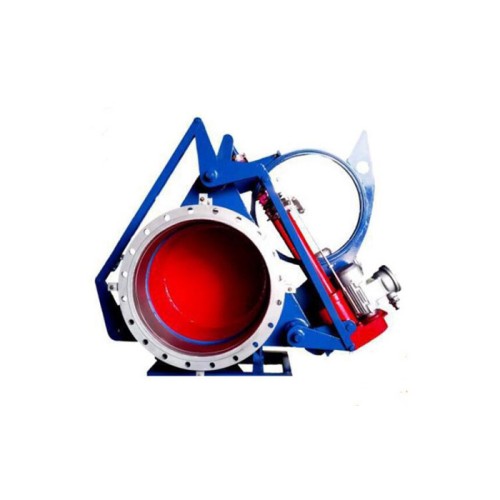

Why Use Spectacle Blind Instead Of Valve?
Spectacle blinds are used in piping systems for the purpose of temporarily closing off a pipe or isolating a section of the pipeline. They consist of two metal discs connected by a section of metal, resembling a pair of spectacles, hence the name. The main advantage of using spectacle blinds instead of valves for isolation is that they provide a more secure and reliable closure. When a spectacle blind is installed, it completely blocks the flow of fluid, ensuring a tight seal and preventing any leakage. In contrast, valves, even when fully closed, may still allow a small amount of fluid to pass through, which can be undesirable in certain situations, such as during maintenance or repair activities. Additionally, spectacle blinds are often used in applications where the pipeline needs to be completely sealed off for an extended period, and where the use of a valve may not provide the level of security and isolation required. Overall, the decision to use a spectacle blind instead of a valve depends on the specific needs of the piping system, the level of isolation required, and the nature of the fluid being transported.












































































