


 Монгол
 Африк
Африк
 Албани
 Амхар
Амхар
 Араб
Араб
 армян
армян
 Азербайжан
 Баск
Баск
 Беларусь
 Бенгал
 Босни
Босни
 Болгар
 каталон
 Себуано
 Корсик
 Хорват
 чех
чех
 Дани
Дани
 Голланд
 Англи
Англи
 Эсперанто
 Эстони
 Финланд
 Франц
Франц
 Фриз
Фриз
 Галис
Галис
 Гүрж
Гүрж
 Герман
 Грек
Грек
 Гужарати
 Гаити Креол
 хауса
хауса
 Хавайн
 Еврей
Еврей
 Үгүй ээ
 Миао
Миао
 Унгар
Унгар
 Исланд
 игбо
игбо
 Индонез
 ирланд
 итали
итали
 Япон
Япон
 Ява
Ява
 Каннада
 казах
казах
 кхмер
кхмер
 Руанда
 Солонгос
 курд
курд
 Киргиз
 сүрьеэ
 Латин
Латин
 Латви
Латви
 Литва
Литва
 Люксембург
 македон
 Малгаши
 малай
малай
 Малайлам
 Мальта
 Маори
Маори
 Марати
 Мьянмар
 Непал
Непал
 Норвеги
 Норвеги
 Окситан
 Пашто
Пашто
 Перс
Перс
 Польш
Польш
 португал
 Пунжаби
 румын
румын
 орос
орос
 Самоа
Самоа
 Шотландын Гел хэл
 Серб
Серб
 Англи
Англи
 Шона
Шона
 Синди
Синди
 Синхал
 словак
 Словен
 Сомали
 Испани
 Сундан
 Суахили
 швед
швед
 Тагалог
 Тажик
Тажик
 Тамил
Тамил
 Татар
Татар
 Тэлугу
 Тайланд
 турк
турк
 туркмен
 украин
 Урду
Урду
 уйгур
уйгур
 узбек
узбек
 вьетнам
 Уэльс
Уэльс
 Туслаач
 Идиш
Идиш
 Йоруба
 Зулу
Зулу


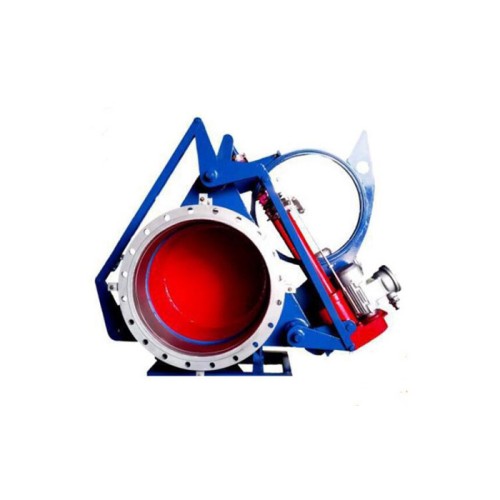
Blind valves, also known as blanking valves, are used to close off the flow of fluid in a pipeline. They are typically installed at the end of a line or at a specific point in the system where temporary isolation or closure is required. Blind valves are designed to provide a tight seal to prevent the flow of fluid, and they are available in various types, including bolted bonnet, pressure seal, and welded bonnet designs, to accommodate different pressure and temperature requirements. These valves are commonly used during maintenance, repair, or testing of the pipeline system, as well as for isolating sections of the pipeline for safety or operational reasons. The selection of blind valves depends on factors such as the type of fluid, pressure rating, temperature range, and the specific application within the pipeline system. Proper installation and maintenance of blind valves are essential to ensure reliable and safe operation, as well as to prevent leakage and potential hazards within the pipeline.

Why Use Spectacle Blind Instead Of Valve?
Spectacle blinds are used in piping systems for the purpose of temporarily closing off a pipe or isolating a section of the pipeline. They consist of two metal discs connected by a section of metal, resembling a pair of spectacles, hence the name. The main advantage of using spectacle blinds instead of valves for isolation is that they provide a more secure and reliable closure. When a spectacle blind is installed, it completely blocks the flow of fluid, ensuring a tight seal and preventing any leakage. In contrast, valves, even when fully closed, may still allow a small amount of fluid to pass through, which can be undesirable in certain situations, such as during maintenance or repair activities. Additionally, spectacle blinds are often used in applications where the pipeline needs to be completely sealed off for an extended period, and where the use of a valve may not provide the level of security and isolation required. Overall, the decision to use a spectacle blind instead of a valve depends on the specific needs of the piping system, the level of isolation required, and the nature of the fluid being transported.












































































