


 Afrikaans
 Albanees
 Amharies
 Arabies
 Armeens
 Azerbeidjans
 Baskies
 Wit-Russies
 Bengaals
 Bosnies
 Bulgaars
 Katalaans
 Cebuano
 Korsikaans
 Kroaties
 Tsjeggies
 Deens
Deens
 Nederlands
 Engels
 Esperanto
 Estnies
 Fins
Fins
 Frans
Frans
 Fries
Fries
 Galisies
 Georgies
 Duits
Duits
 Grieks
 Gujarati
 Haïtiaans Kreools
 hausa
hausa
 hawaiian
 Hebreeus
 Nope
Nope
 Miao
Miao
 Hongaars
 Yslands
 igbo
igbo
 Indonesies
 iers
iers
 Italiaans
 Japannese
 Javaans
 Kannada
 kazaks
 Khmer
Khmer
 Rwandese
 Koreaans
 Koerdies
 Kirgisies
 TB
TB
 Latyn
Latyn
 Letties
 Litaus
 Luxemburgs
 Masedonies
 Malgashi
 Maleis
 Malabaars
 Maltees
 Maori
Maori
 Marathi
 Mongoolse
 Myanmar
 Nepalees
 Noors
Noors
 Noors
Noors
 Oksitaans
 Pasjto
 Persies
 Pools
Pools
 Portugees
 Punjabi
 Roemeens
 Russies
 Samoaans
 Skotse Gaelies
 Serwies
 Engels
 Shona
Shona
 Sindhi
 Sinhala
 Slowaaks
 Sloweens
 Somalies
 Spaans
 Soendanees
 Swahili
 Sweeds
 Tagalog
 Tadjieks
 Tamil
Tamil
 Tataars
 Telugu
 Thai
Thai
 Turks
Turks
 Turkmeens
 Oekraïens
 Oerdoe
 Uighur
 Oezbeeks
 Viëtnamees
 Wallies
 Help
Help
 Jiddisj
 Yoruba
 Zoeloe


Blind valves, also known as blanking valves, are used to close off the flow of fluid in a pipeline. They are typically installed at the end of a line or at a specific point in the system where temporary isolation or closure is required. Blind valves are designed to provide a tight seal to prevent the flow of fluid, and they are available in various types, including bolted bonnet, pressure seal, and welded bonnet designs, to accommodate different pressure and temperature requirements. These valves are commonly used during maintenance, repair, or testing of the pipeline system, as well as for isolating sections of the pipeline for safety or operational reasons. The selection of blind valves depends on factors such as the type of fluid, pressure rating, temperature range, and the specific application within the pipeline system. Proper installation and maintenance of blind valves are essential to ensure reliable and safe operation, as well as to prevent leakage and potential hazards within the pipeline.
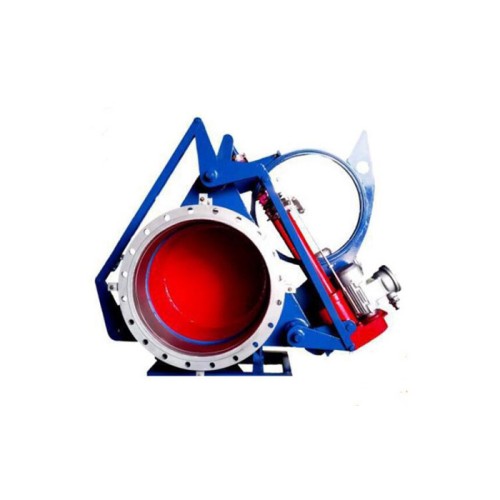

Why Use Spectacle Blind Instead Of Valve?
Spectacle blinds are used in piping systems for the purpose of temporarily closing off a pipe or isolating a section of the pipeline. They consist of two metal discs connected by a section of metal, resembling a pair of spectacles, hence the name. The main advantage of using spectacle blinds instead of valves for isolation is that they provide a more secure and reliable closure. When a spectacle blind is installed, it completely blocks the flow of fluid, ensuring a tight seal and preventing any leakage. In contrast, valves, even when fully closed, may still allow a small amount of fluid to pass through, which can be undesirable in certain situations, such as during maintenance or repair activities. Additionally, spectacle blinds are often used in applications where the pipeline needs to be completely sealed off for an extended period, and where the use of a valve may not provide the level of security and isolation required. Overall, the decision to use a spectacle blind instead of a valve depends on the specific needs of the piping system, the level of isolation required, and the nature of the fluid being transported.












































































