


 Kurdî
Kurdî
 efrîkanî
 Albanî
 Amharîkî
 Erebî
Erebî
 Ermenî
 Azerî
Azerî
 Baskî
Baskî
 Belarûsî
 Bengalî
 Bosnayî
 Bûlgarî
 Katalanî
 Cebuano
 Korsîkayî
 Xirwatî
 Çekî
Çekî
 Danîmarkî
 Holandî
 Îngilîzî
 Esperanto
 Estonî
 Fînlandî
 Fransî
 frîzî
frîzî
 Galîsyayî
 Gurcî
Gurcî
 Almanî
 Yewnanî
 Gujaratî
 Kreoliya Haîtiyî
 Hausa
Hausa
 Hawaiyî
 Îbranî
 Nexêr
Nexêr
 Miao
Miao
 Macarî
 Îzlandî
 igbo
igbo
 Îndonezî
 Irlandî
 Îtalî
Îtalî
 Japonî
 Javanesî
 Kanadayî
 Qazakî
 Khmer
Khmer
 Rwandan
 Koreyî
 Qirgizî
 TB
TB
 Latînî
 Letonî
 Lîtvanyayî
 Luksembûrgî
 Makedonî
 Malgashi
 Malayî
 Malayalamî
 Maltezî
 Maorîyî
 Maratî
 Moxolî
 Mîyanmar
 Nepalî
 Norwêcî
 Norwêcî
 Occitan
 Peştûyî
 Farsî
Farsî
 Polandî
 Portekizî
 Pencabî
 Romanyayî
 Rûsî
Rûsî
 Samoan
 Scottish Gaelic
 Sirbî
Sirbî
 Îngilîzî
 Shona
Shona
 Sindî
Sindî
 Sinhala
 Slovakî
 Slovenî
 Somalîkî
 Îspanyolî
 Sundanese
 Swahîlîyî
 Swêdî
Swêdî
 Tagalogî
 Tajik
Tajik
 Tamîlî
 Tatar
Tatar
 Teluguyî
 Thayîkî
 Tirkî
Tirkî
 Tirkmenî
 Ûkraynî
 Ûrdûyî
 Uyghur
 Ozbekî
 Vîetnamî
 Galerkî
 Alîkarî
 Yîddîşî
 Yorûbayî
 Zulu
Zulu


Blind valves, also known as blanking valves, are used to close off the flow of fluid in a pipeline. They are typically installed at the end of a line or at a specific point in the system where temporary isolation or closure is required. Blind valves are designed to provide a tight seal to prevent the flow of fluid, and they are available in various types, including bolted bonnet, pressure seal, and welded bonnet designs, to accommodate different pressure and temperature requirements. These valves are commonly used during maintenance, repair, or testing of the pipeline system, as well as for isolating sections of the pipeline for safety or operational reasons. The selection of blind valves depends on factors such as the type of fluid, pressure rating, temperature range, and the specific application within the pipeline system. Proper installation and maintenance of blind valves are essential to ensure reliable and safe operation, as well as to prevent leakage and potential hazards within the pipeline.
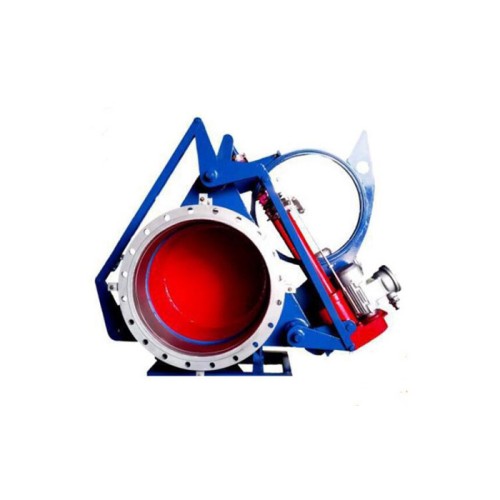

Why Use Spectacle Blind Instead Of Valve?
Spectacle blinds are used in piping systems for the purpose of temporarily closing off a pipe or isolating a section of the pipeline. They consist of two metal discs connected by a section of metal, resembling a pair of spectacles, hence the name. The main advantage of using spectacle blinds instead of valves for isolation is that they provide a more secure and reliable closure. When a spectacle blind is installed, it completely blocks the flow of fluid, ensuring a tight seal and preventing any leakage. In contrast, valves, even when fully closed, may still allow a small amount of fluid to pass through, which can be undesirable in certain situations, such as during maintenance or repair activities. Additionally, spectacle blinds are often used in applications where the pipeline needs to be completely sealed off for an extended period, and where the use of a valve may not provide the level of security and isolation required. Overall, the decision to use a spectacle blind instead of a valve depends on the specific needs of the piping system, the level of isolation required, and the nature of the fluid being transported.












































































