


 Esperanto
 afrikano
 albana
 Amhara
 la araba
 la armena
 Azerbajĝana
 eŭska
eŭska
 Belarusian
 bengala
 bosnia
 bulgaro
 kataluna
 Cebuano
 korsika
 kroata
 ĉeĥa
ĉeĥa
 dana
dana
 nederlanda
 la angla
 estona
 finna
finna
 franca
 frisa
frisa
 galego
 kartvela
 germana
 greka
greka
 Gujaratio
 Haitian Creole
 hausa
hausa
 havajano
 la hebrea
 Ne
Ne
 Miao
Miao
 hungara
 islanda
 igbo
igbo
 indonezia
 irlandano
 itala
itala
 Japanoj
 la javano
 Kannada
 kazaĥo
 ĥmeroj
 Ruando
 korea
korea
 kurda
kurda
 Kirgizoj
 TB
TB
 la latina
 latva
latva
 litova
 luksemburga
 makedona
 Malgashi
 malaja
 la malajala
 malta
malta
 maoria
 Maratio
 mongola
 Mjanmao
 nepala
 norvega
 norvega
 okcitana
 Paŝto
Paŝto
 la persa
 pola
pola
 portugala
 panĝaba
 rumana
 rusa
rusa
 samoano
 Skotgaela
 serba
serba
 la angla
 Ŝona
Ŝona
 Sinda
Sinda
 Sinhala
 la slovaka
 sloveno
 Somalo
 hispana
 Sundanese
 Svahila
 sveda
sveda
 la tagaloga
 taĝiko
 la tamila
 tataro
 la telugua
 tajlanda
 Turka
Turka
 turkmenoj
 ukraina
 Urdu
Urdu
 ujgura
 uzbeko
 vjetnama
 kimra lingvo
 Helpu
Helpu
 jida
jida
 joruboj
 la zulua


Blind valves, also known as blanking valves, are used to close off the flow of fluid in a pipeline. They are typically installed at the end of a line or at a specific point in the system where temporary isolation or closure is required. Blind valves are designed to provide a tight seal to prevent the flow of fluid, and they are available in various types, including bolted bonnet, pressure seal, and welded bonnet designs, to accommodate different pressure and temperature requirements. These valves are commonly used during maintenance, repair, or testing of the pipeline system, as well as for isolating sections of the pipeline for safety or operational reasons. The selection of blind valves depends on factors such as the type of fluid, pressure rating, temperature range, and the specific application within the pipeline system. Proper installation and maintenance of blind valves are essential to ensure reliable and safe operation, as well as to prevent leakage and potential hazards within the pipeline.
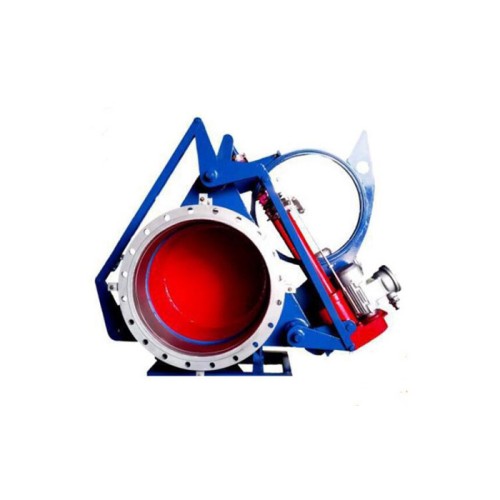

Why Use Spectacle Blind Instead Of Valve?
Spectacle blinds are used in piping systems for the purpose of temporarily closing off a pipe or isolating a section of the pipeline. They consist of two metal discs connected by a section of metal, resembling a pair of spectacles, hence the name. The main advantage of using spectacle blinds instead of valves for isolation is that they provide a more secure and reliable closure. When a spectacle blind is installed, it completely blocks the flow of fluid, ensuring a tight seal and preventing any leakage. In contrast, valves, even when fully closed, may still allow a small amount of fluid to pass through, which can be undesirable in certain situations, such as during maintenance or repair activities. Additionally, spectacle blinds are often used in applications where the pipeline needs to be completely sealed off for an extended period, and where the use of a valve may not provide the level of security and isolation required. Overall, the decision to use a spectacle blind instead of a valve depends on the specific needs of the piping system, the level of isolation required, and the nature of the fluid being transported.












































































