


 Esperanto
 afrikano
 albana
 Amhara
 la araba
 la armena
 Azerbajĝana
 eŭska
eŭska
 Belarusian
 bengala
 bosnia
 bulgaro
 kataluna
 Cebuano
 korsika
 kroata
 ĉeĥa
ĉeĥa
 dana
dana
 nederlanda
 la angla
 estona
 finna
finna
 franca
 frisa
frisa
 galego
 kartvela
 germana
 greka
greka
 Gujaratio
 Haitian Creole
 hausa
hausa
 havajano
 la hebrea
 Ne
Ne
 Miao
Miao
 hungara
 islanda
 igbo
igbo
 indonezia
 irlandano
 itala
itala
 Japanoj
 la javano
 Kannada
 kazaĥo
 ĥmeroj
 Ruando
 korea
korea
 kurda
kurda
 Kirgizoj
 TB
TB
 la latina
 latva
latva
 litova
 luksemburga
 makedona
 Malgashi
 malaja
 la malajala
 malta
malta
 maoria
 Maratio
 mongola
 Mjanmao
 nepala
 norvega
 norvega
 okcitana
 Paŝto
Paŝto
 la persa
 pola
pola
 portugala
 panĝaba
 rumana
 rusa
rusa
 samoano
 Skotgaela
 serba
serba
 la angla
 Ŝona
Ŝona
 Sinda
Sinda
 Sinhala
 la slovaka
 sloveno
 Somalo
 hispana
 Sundanese
 Svahila
 sveda
sveda
 la tagaloga
 taĝiko
 la tamila
 tataro
 la telugua
 tajlanda
 Turka
Turka
 turkmenoj
 ukraina
 Urdu
Urdu
 ujgura
 uzbeko
 vjetnama
 kimra lingvo
 Helpu
Helpu
 jida
jida
 joruboj
 la zulua


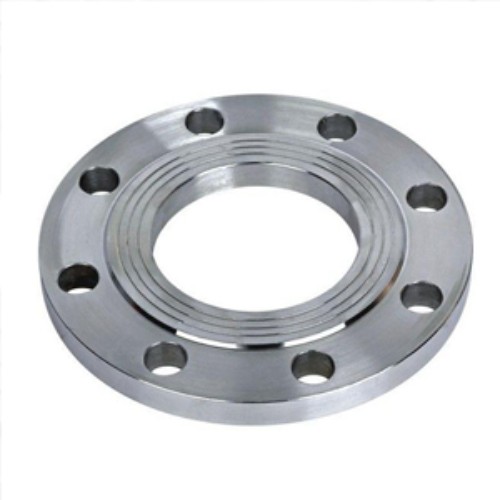
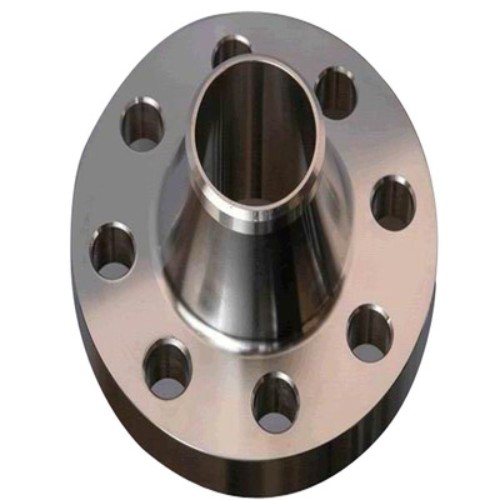
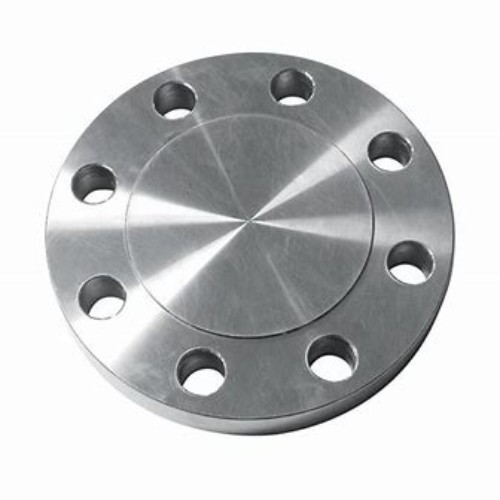
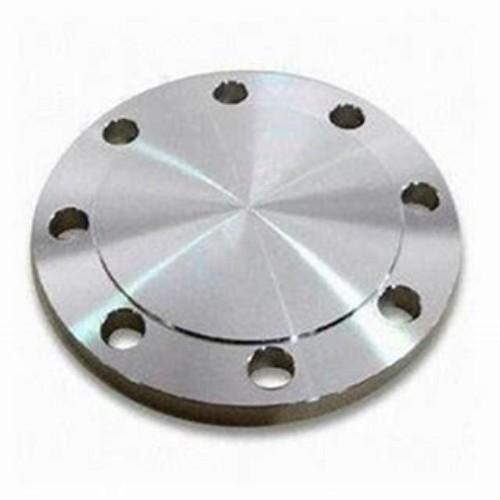
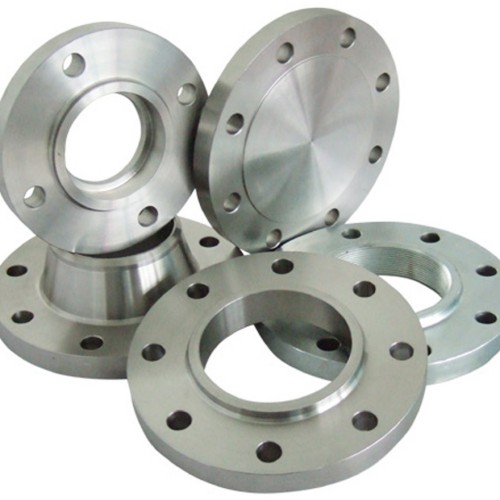
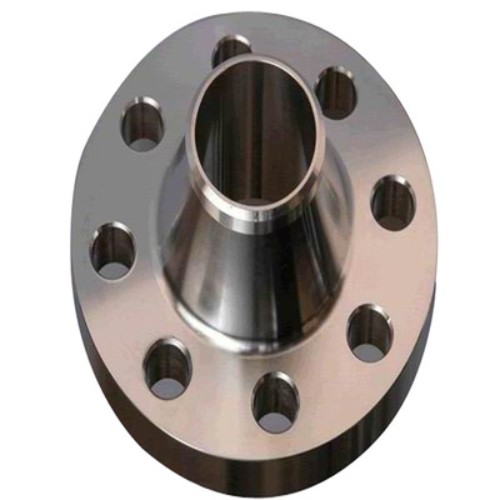
Flanges are important components for connecting pipes, valves, equipment and accessories to achieve safe and reliable connections. Flanges can be divided into various types according to different standards and uses. Common flange types include weld neck flanges, blind flanges, flange-to-flanges, sliding flanges, and threaded flanges. Welded neck flanges are suitable for high pressure and high temperature environments and are connected to pipes by welding to provide a stable connection. Blind flanges are used to close the ends of pipes to facilitate maintenance and inspection. Flange-to-flange is typically used to connect two pipes, while sliding flange allows the flange to slide over the pipe for easy installation and adjustment. Threaded flanges are suitable for low pressure environments and are threaded to pipes. Selecting the appropriate flange type depends on the pressure, temperature, media and installation requirements of the piping system. Proper selection and installation of flanges ensures safe operation and sealed connections in piping systems.
What Are The Types Of Flanges?
The types of flanges commonly used in piping systems include:
1. Weld Neck Flange: This type of flange is designed with a long, tapered hub that provides an ideal connection for high-pressure applications. The neck of the flange is welded to the pipe, offering strength and support at the joint.
2. Slip-On Flange: Slip-on flanges are easy to align and are used in low-pressure applications. They are slipped over the pipe and then welded both inside and outside to provide strength and prevent leakage.
3. Blind Flange: Blind flanges are solid disks used to block off a pipeline or to create a stop. They are commonly used for pressure testing the flow of gas or liquid through a pipeline.
4. Threaded Flange: Threaded flanges are used in low-pressure applications and are connected to the pipe with threads, providing a strong and reliable connection.
5. Lap Joint Flange: Lap joint flanges are used with a stub end or taft, which is welded to the pipe. The flange then slides over the pipe and is free to rotate around the stub end, allowing for easy alignment of bolt holes.
6. Socket Weld Flange: Socket weld flanges are used for high-pressure applications and are connected to the pipe by inserting the pipe into the socket end and then applying fillet weld around the top.
Each type of flange has specific characteristics and is suitable for different applications based on factors such as pressure, temperature, and the nature of the fluid being transported. Proper selection of flange type is crucial to ensure the integrity and safety of the piping system.












































































