


 Azərbaycan
 afrikalı
 alban
alban
 amhar
amhar
 ərəb
ərəb
 erməni
 bask dili
 belarus
 benqal dili
 bosniyalı
 bolqar
 katalan dili
 Cebuano
 korsika
 xorvat
 çex
çex
 danimarka
 holland
 İngilis dili
 esperanto
 eston
eston
 fin
fin
 Fransız dili
 friz dili
 qalisian
 gürcü
gürcü
 alman
alman
 yunan
yunan
 qucarat dili
 Haiti Kreol
 hausa
hausa
 havaylı
 ivrit
ivrit
 Xeyr
Xeyr
 Miao
Miao
 macar
macar
 island
 igbo
igbo
 indoneziya dili
 irland
 italyan
 yapon
yapon
 yava dili
 Kannada
 qazax
qazax
 kxmer
kxmer
 Ruanda
 koreyalı
 kürd
kürd
 qırğız
 Vərəm
Vərəm
 latın
latın
 latış
latış
 litva
litva
 Lüksemburq
 makedon
 Malqaşi
 malay
malay
 malayalam
 maltalı
 maori
maori
 marati dili
 monqol
 Myanma
 nepal dili
 norveçli
 norveçli
 oksitan
 puştu
puştu
 fars
fars
 polyak
 portuqal
 pəncab dili
 rumın
rumın
 rus
rus
 samoa
samoa
 Şotlandiya Qael dili
 serb
serb
 İngilis dili
 Şona
Şona
 sindhi
 Sinhala
 slovak
 sloven
 Somali
 ispan dili
 sundan
 suahili
 isveçli
 taqaloq
 tacik
tacik
 tamil
tamil
 tatar
tatar
 teluqu dili
 Tay
Tay
 türk
türk
 türkmən
 ukraynalı
 Urdu
Urdu
 uyğur
uyğur
 özbək
özbək
 vyetnamlı
 uels
uels
 Kömək edin
 yəhudi dili
 yoruba
 Zulu
Zulu


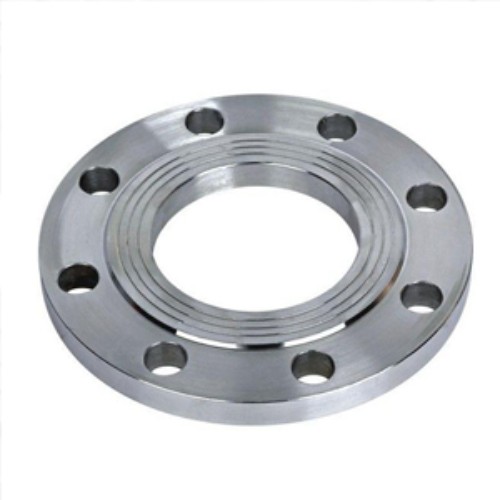
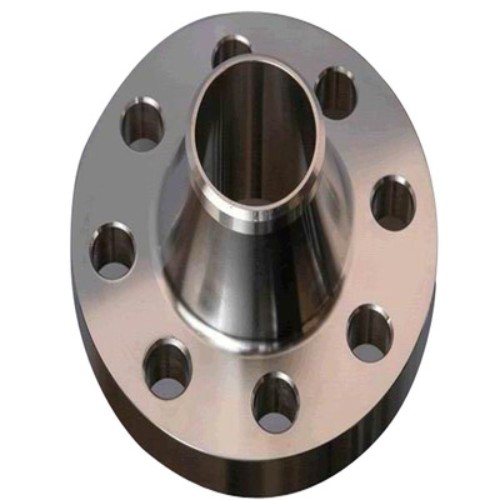
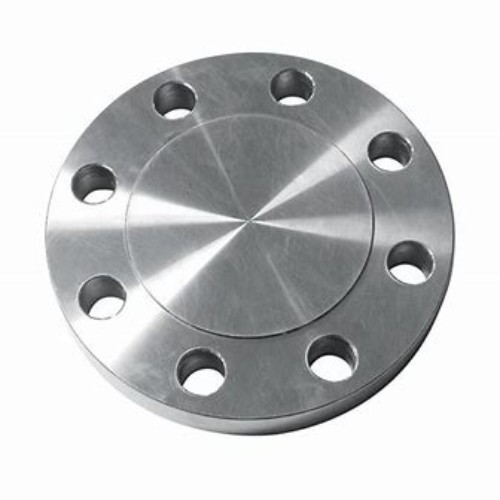
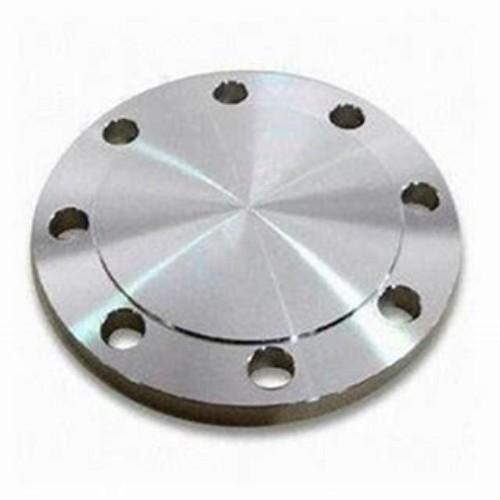
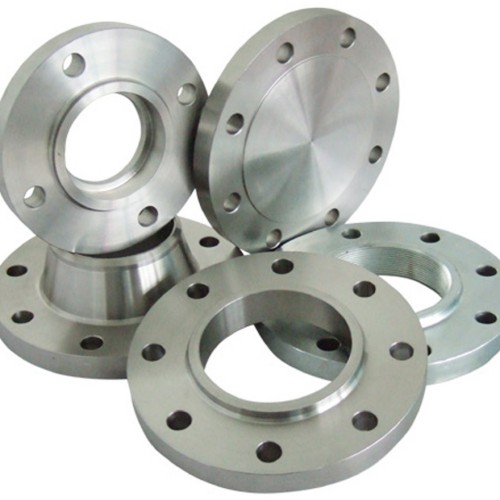
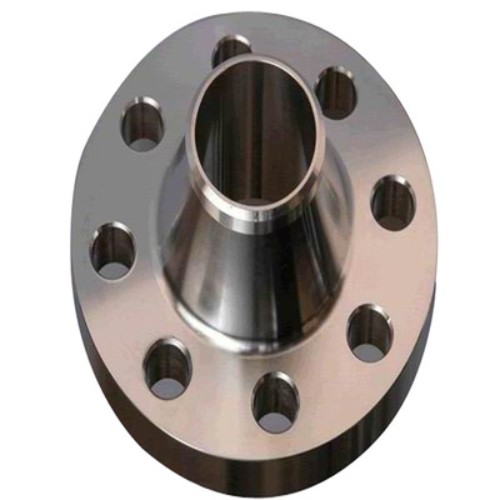
Flanges are important components for connecting pipes, valves, equipment and accessories to achieve safe and reliable connections. Flanges can be divided into various types according to different standards and uses. Common flange types include weld neck flanges, blind flanges, flange-to-flanges, sliding flanges, and threaded flanges. Welded neck flanges are suitable for high pressure and high temperature environments and are connected to pipes by welding to provide a stable connection. Blind flanges are used to close the ends of pipes to facilitate maintenance and inspection. Flange-to-flange is typically used to connect two pipes, while sliding flange allows the flange to slide over the pipe for easy installation and adjustment. Threaded flanges are suitable for low pressure environments and are threaded to pipes. Selecting the appropriate flange type depends on the pressure, temperature, media and installation requirements of the piping system. Proper selection and installation of flanges ensures safe operation and sealed connections in piping systems.
What Are The Types Of Flanges?
The types of flanges commonly used in piping systems include:
1. Weld Neck Flange: This type of flange is designed with a long, tapered hub that provides an ideal connection for high-pressure applications. The neck of the flange is welded to the pipe, offering strength and support at the joint.
2. Slip-On Flange: Slip-on flanges are easy to align and are used in low-pressure applications. They are slipped over the pipe and then welded both inside and outside to provide strength and prevent leakage.
3. Blind Flange: Blind flanges are solid disks used to block off a pipeline or to create a stop. They are commonly used for pressure testing the flow of gas or liquid through a pipeline.
4. Threaded Flange: Threaded flanges are used in low-pressure applications and are connected to the pipe with threads, providing a strong and reliable connection.
5. Lap Joint Flange: Lap joint flanges are used with a stub end or taft, which is welded to the pipe. The flange then slides over the pipe and is free to rotate around the stub end, allowing for easy alignment of bolt holes.
6. Socket Weld Flange: Socket weld flanges are used for high-pressure applications and are connected to the pipe by inserting the pipe into the socket end and then applying fillet weld around the top.
Each type of flange has specific characteristics and is suitable for different applications based on factors such as pressure, temperature, and the nature of the fluid being transported. Proper selection of flange type is crucial to ensure the integrity and safety of the piping system.












































































