


 Tiếng Việt
 Người châu Phi
 tiếng Albania
 tiếng Amharic
 tiếng Ả Rập
 tiếng Armenia
 Tiếng Azerbaijan
 Tiếng Basque
 Người Belarus
 tiếng Bengali
 tiếng Bosnia
 tiếng Bungari
 tiếng Catalan
 Cebuano
 Corsican
 tiếng Croatia
 tiếng Séc
 người Đan Mạch
 tiếng Hà Lan
 Tiếng Anh
 Quốc tế ngữ
 tiếng Estonia
 tiếng Phần Lan
 người Pháp
 tiếng Frisia
 tiếng Galicia
 tiếng Gruzia
 tiếng Đức
 người Hy Lạp
 Gujarati
 Tiếng Creole Haiti
 hausa
hausa
 người Hawaii
 tiếng Do Thái
 Không
Không
 Miêu
Miêu
 người Hungary
 tiếng Iceland
 igbo
igbo
 tiếng Indonesia
 người Ailen
 người Ý
 tiếng Nhật
 tiếng Java
 tiếng Kannada
 kazakh
 tiếng Khmer
 người Rwanda
 Hàn Quốc
 người Kurd
 Tiếng Kyrgyzstan
 Lao
Lao
 Latin
Latin
 tiếng Latvia
 tiếng Litva
 Tiếng Luxembourg
 Tiếng Macedonia
 Malgashi
 Mã Lai
 Mã Lai
 cây nho
 người Maori
 Tiếng Marathi
 tiếng Mông Cổ
 Myanmar
 tiếng Nepal
 người Na Uy
 người Na Uy
 tiếng Occitan
 Tiếng Pa-tô
 tiếng Ba Tư
 Đánh bóng
 tiếng Bồ Đào Nha
 Tiếng Punjab
 người Rumani
 tiếng Nga
 Tiếng Samoa
 Tiếng Gaelic của Scotland
 tiếng Serbia
 Tiếng Anh
 Shona
Shona
 tiếng Sindhi
 Sinhala
 Tiếng Slovak
 tiếng Slovenia
 tiếng Somali
 người Tây Ban Nha
 Tiếng Sundan
 tiếng Swahili
 tiếng Thụy Điển
 Tagalog
 Tiếng Tajik
 Tiếng Tamil
 Tatar
Tatar
 tiếng Telugu
 tiếng Thái
 tiếng Thổ Nhĩ Kỳ
 người Thổ Nhĩ Kỳ
 tiếng Ukraina
 tiếng Urdu
 người Duy Ngô Nhĩ
 tiếng Uzbek
 người xứ Wales
 Giúp đỡ
 tiếng Yiddish
 Yoruba
 Zulu
Zulu


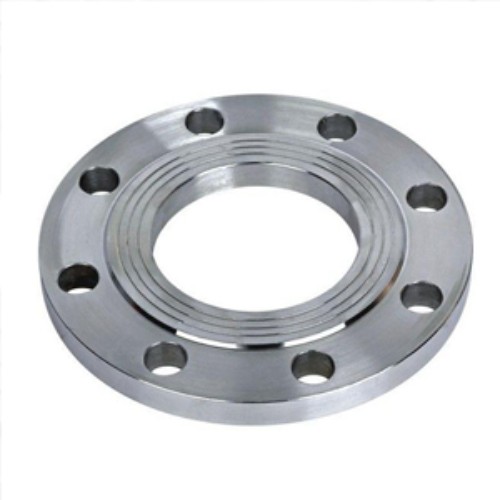
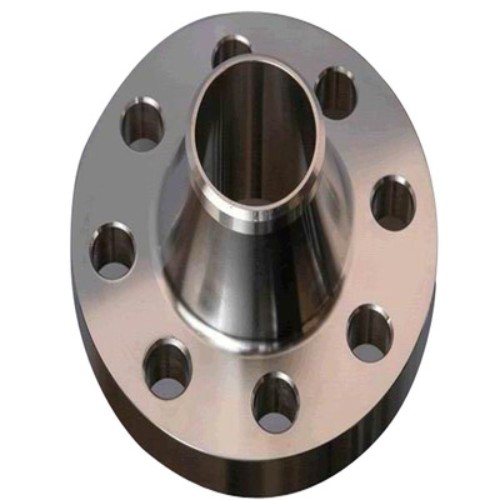
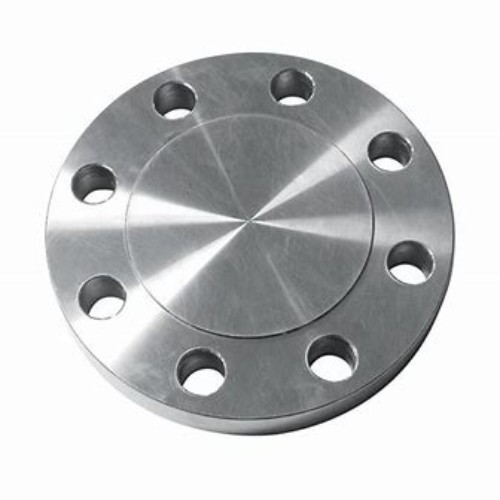
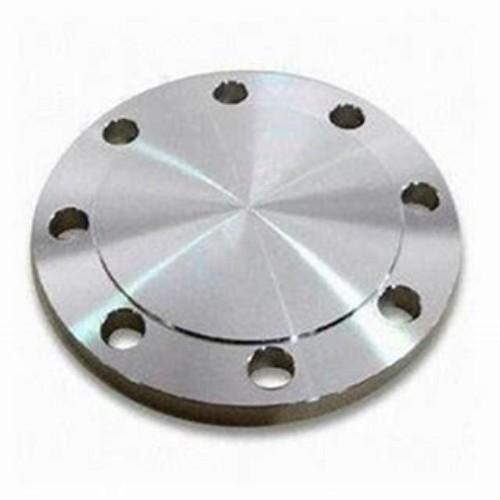
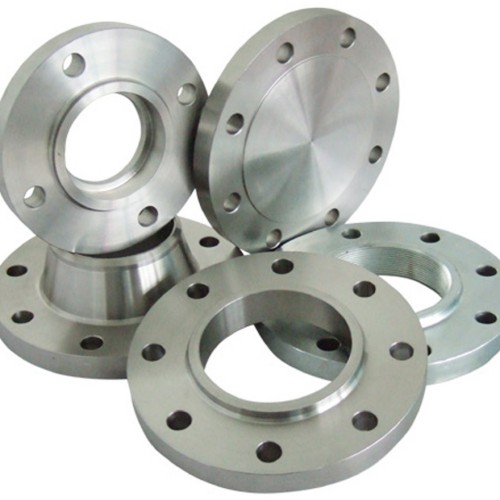
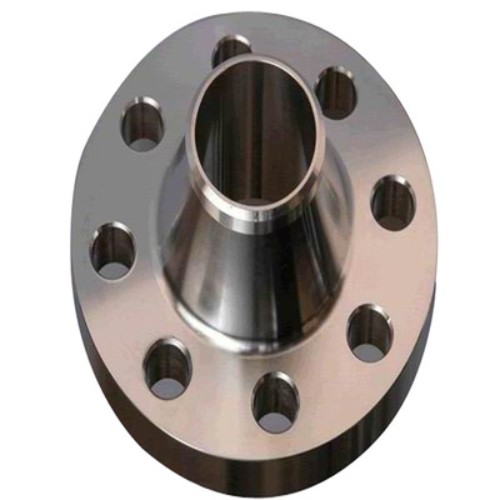
Flanges are important components for connecting pipes, valves, equipment and accessories to achieve safe and reliable connections. Flanges can be divided into various types according to different standards and uses. Common flange types include weld neck flanges, blind flanges, flange-to-flanges, sliding flanges, and threaded flanges. Welded neck flanges are suitable for high pressure and high temperature environments and are connected to pipes by welding to provide a stable connection. Blind flanges are used to close the ends of pipes to facilitate maintenance and inspection. Flange-to-flange is typically used to connect two pipes, while sliding flange allows the flange to slide over the pipe for easy installation and adjustment. Threaded flanges are suitable for low pressure environments and are threaded to pipes. Selecting the appropriate flange type depends on the pressure, temperature, media and installation requirements of the piping system. Proper selection and installation of flanges ensures safe operation and sealed connections in piping systems.
What Are The Types Of Flanges?
The types of flanges commonly used in piping systems include:
1. Weld Neck Flange: This type of flange is designed with a long, tapered hub that provides an ideal connection for high-pressure applications. The neck of the flange is welded to the pipe, offering strength and support at the joint.
2. Slip-On Flange: Slip-on flanges are easy to align and are used in low-pressure applications. They are slipped over the pipe and then welded both inside and outside to provide strength and prevent leakage.
3. Blind Flange: Blind flanges are solid disks used to block off a pipeline or to create a stop. They are commonly used for pressure testing the flow of gas or liquid through a pipeline.
4. Threaded Flange: Threaded flanges are used in low-pressure applications and are connected to the pipe with threads, providing a strong and reliable connection.
5. Lap Joint Flange: Lap joint flanges are used with a stub end or taft, which is welded to the pipe. The flange then slides over the pipe and is free to rotate around the stub end, allowing for easy alignment of bolt holes.
6. Socket Weld Flange: Socket weld flanges are used for high-pressure applications and are connected to the pipe by inserting the pipe into the socket end and then applying fillet weld around the top.
Each type of flange has specific characteristics and is suitable for different applications based on factors such as pressure, temperature, and the nature of the fluid being transported. Proper selection of flange type is crucial to ensure the integrity and safety of the piping system.












































































