


 svenska
 afrikanska
 albanska
 amhariska
 arabiska
 armeniska
 azerbajdzjanska
 baskiska
 vitryska
 bengaliska
 bosniska
 bulgariska
 katalanska
 Cebuano
 korsikanska
 Kroatisk
 tjeckiska
 danska
 holländska
 engelsk
 esperanto
 estniska
 finska
 franska
 frisiska
 galiciska
 georgiska
 tysk
tysk
 grekisk
 Gujarati
 haitisk kreol
 hausa
hausa
 hawaiian
 hebreiska
 Nej
Nej
 Miao
Miao
 ungerska
 isländska
 igbo
igbo
 indonesiska
 irländsk
 italienska
 japanska
 javanesiska
 Kannada
 kazakiska
 Khmer
Khmer
 rwandiska
 koreanska
 kurdiska
 kirgiziska
 TB
TB
 latin
latin
 lettiska
 litauiska
 Luxemburgiska
 makedonska
 Malgashi
 malajiska
 Malayalam
 maltesiska
 Maori
Maori
 Marathi
 mongoliska
 Myanmar
 nepalesiska
 norska
 norska
 occitanska
 Pashto
 persiska
 putsa
putsa
 portugisiska
 Punjabi
 rumänska
 ryska
ryska
 Samoan
 skotsk gaeliska
 serbiska
 engelsk
 Shona
Shona
 Sindhi
 singalesiska
 slovakiska
 slovenska
 somaliska
 spanska
 Sundanesiska
 Swahili
 Tagalog
 tadzjikiska
 Tamil
Tamil
 tatariska
 Telugu
 Thai
Thai
 turkiska
 turkmeniska
 ukrainska
 Urdu
Urdu
 Uigur
Uigur
 uzbekiska
 vietnamesiska
 walesiska
 Hjälp
Hjälp
 jiddisch
 Yoruba
 Zulu
Zulu


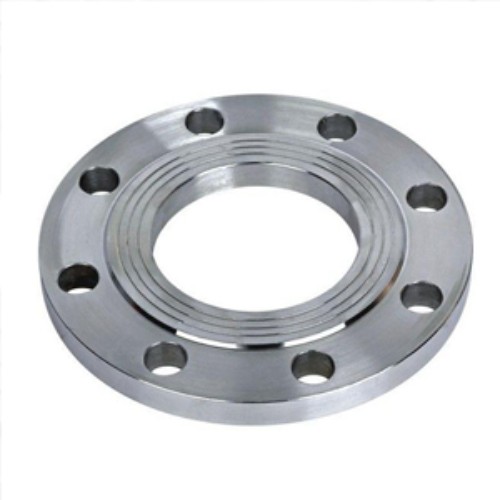
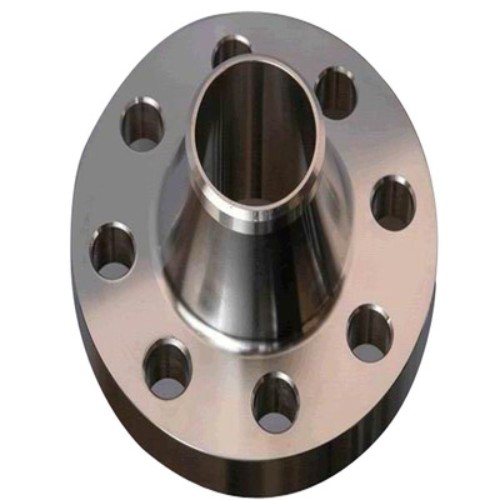
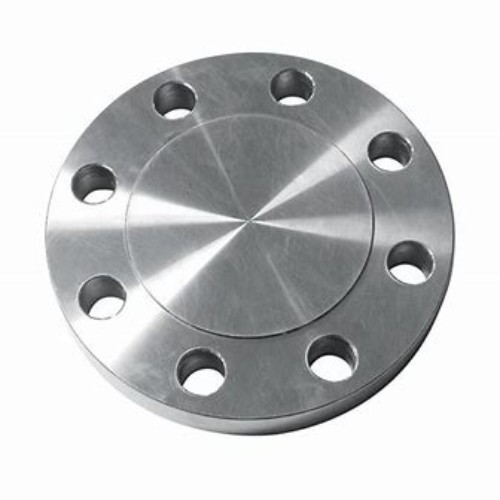
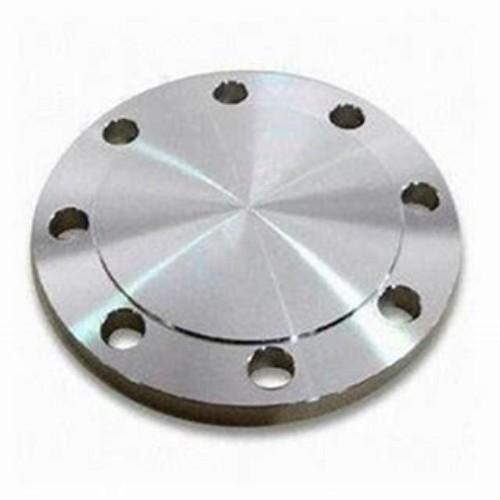
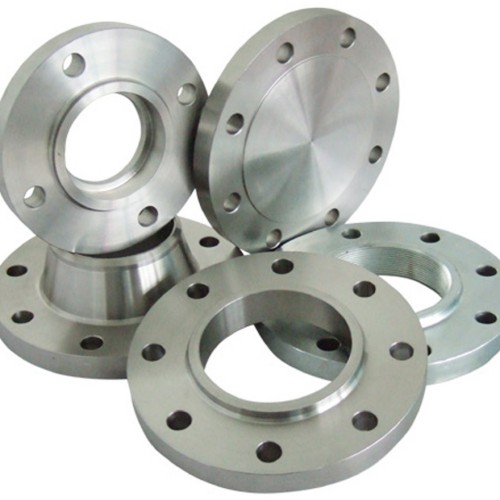
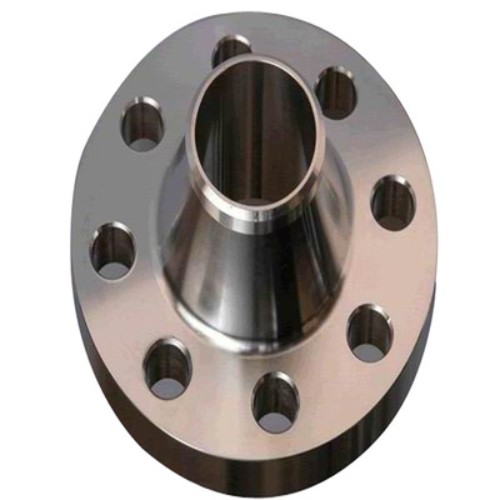
Flanges are important components for connecting pipes, valves, equipment and accessories to achieve safe and reliable connections. Flanges can be divided into various types according to different standards and uses. Common flange types include weld neck flanges, blind flanges, flange-to-flanges, sliding flanges, and threaded flanges. Welded neck flanges are suitable for high pressure and high temperature environments and are connected to pipes by welding to provide a stable connection. Blind flanges are used to close the ends of pipes to facilitate maintenance and inspection. Flange-to-flange is typically used to connect two pipes, while sliding flange allows the flange to slide over the pipe for easy installation and adjustment. Threaded flanges are suitable for low pressure environments and are threaded to pipes. Selecting the appropriate flange type depends on the pressure, temperature, media and installation requirements of the piping system. Proper selection and installation of flanges ensures safe operation and sealed connections in piping systems.
What Are The Types Of Flanges?
The types of flanges commonly used in piping systems include:
1. Weld Neck Flange: This type of flange is designed with a long, tapered hub that provides an ideal connection for high-pressure applications. The neck of the flange is welded to the pipe, offering strength and support at the joint.
2. Slip-On Flange: Slip-on flanges are easy to align and are used in low-pressure applications. They are slipped over the pipe and then welded both inside and outside to provide strength and prevent leakage.
3. Blind Flange: Blind flanges are solid disks used to block off a pipeline or to create a stop. They are commonly used for pressure testing the flow of gas or liquid through a pipeline.
4. Threaded Flange: Threaded flanges are used in low-pressure applications and are connected to the pipe with threads, providing a strong and reliable connection.
5. Lap Joint Flange: Lap joint flanges are used with a stub end or taft, which is welded to the pipe. The flange then slides over the pipe and is free to rotate around the stub end, allowing for easy alignment of bolt holes.
6. Socket Weld Flange: Socket weld flanges are used for high-pressure applications and are connected to the pipe by inserting the pipe into the socket end and then applying fillet weld around the top.
Each type of flange has specific characteristics and is suitable for different applications based on factors such as pressure, temperature, and the nature of the fluid being transported. Proper selection of flange type is crucial to ensure the integrity and safety of the piping system.












































































