


 svenska
 afrikanska
 albanska
 amhariska
 arabiska
 armeniska
 azerbajdzjanska
 baskiska
 vitryska
 bengaliska
 bosniska
 bulgariska
 katalanska
 Cebuano
 korsikanska
 Kroatisk
 tjeckiska
 danska
 holländska
 engelsk
 esperanto
 estniska
 finska
 franska
 frisiska
 galiciska
 georgiska
 tysk
tysk
 grekisk
 Gujarati
 haitisk kreol
 hausa
hausa
 hawaiian
 hebreiska
 Nej
Nej
 Miao
Miao
 ungerska
 isländska
 igbo
igbo
 indonesiska
 irländsk
 italienska
 japanska
 javanesiska
 Kannada
 kazakiska
 Khmer
Khmer
 rwandiska
 koreanska
 kurdiska
 kirgiziska
 TB
TB
 latin
latin
 lettiska
 litauiska
 Luxemburgiska
 makedonska
 Malgashi
 malajiska
 Malayalam
 maltesiska
 Maori
Maori
 Marathi
 mongoliska
 Myanmar
 nepalesiska
 norska
 norska
 occitanska
 Pashto
 persiska
 putsa
putsa
 portugisiska
 Punjabi
 rumänska
 ryska
ryska
 Samoan
 skotsk gaeliska
 serbiska
 engelsk
 Shona
Shona
 Sindhi
 singalesiska
 slovakiska
 slovenska
 somaliska
 spanska
 Sundanesiska
 Swahili
 Tagalog
 tadzjikiska
 Tamil
Tamil
 tatariska
 Telugu
 Thai
Thai
 turkiska
 turkmeniska
 ukrainska
 Urdu
Urdu
 Uigur
Uigur
 uzbekiska
 vietnamesiska
 walesiska
 Hjälp
Hjälp
 jiddisch
 Yoruba
 Zulu
Zulu


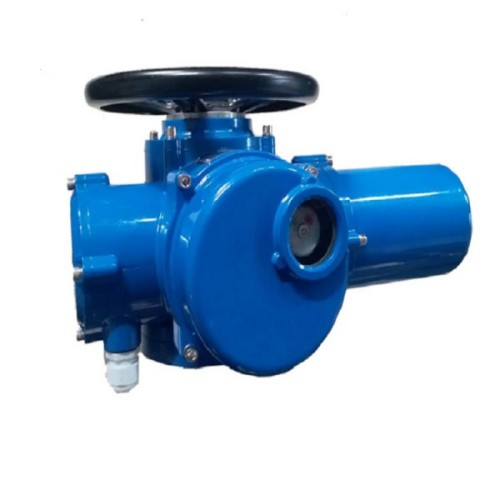
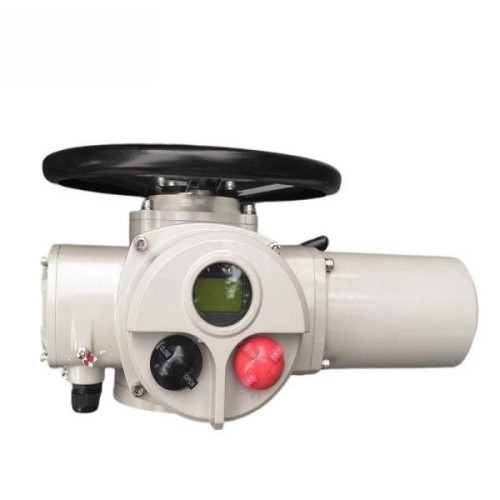
Electric actuators are devices used to control the operation of valves, dampers, and other mechanical systems by converting electrical energy into mechanical motion. They can be classified into several types based on their design, functionality, and application:
1. Multi-Turn Electric Actuators: These actuators are designed to provide rotational movement over multiple turns, making them suitable for applications that require precise and continuous positioning, such as gate valves and globe valves. They are often used in industrial settings where accurate control of fluid flow is essential.
2. Quarter-Turn Electric Actuators: Quarter-turn actuators are designed to provide rotational movement over a 90-degree angle, making them ideal for applications that require on/off or modulating control, such as ball valves and butterfly valves. They are commonly used in various industries for quick and efficient valve operation.
3. Electric Actuator with Fail-Safe Function: Some electric actuators are equipped with fail-safe features, such as spring-return mechanisms or battery backup, to ensure that the valve or damper returns to a safe position in the event of a power failure or system malfunction.
Electric actuators play a critical role in automating and controlling various industrial processes, and the selection of the appropriate type depends on factors such as the valve or damper application, torque or thrust requirements, control system compatibility, and safety considerations. Proper installation and maintenance of electric actuators are essential to ensure reliable and efficient operation within the mechanical system.
What Is An Actuator Used For?
Actuator is used to convert energy into mechanical motion, allowing it to control the operation of various mechanical systems. Actuators are commonly employed to automate the movement of valves, dampers, and other equipment in industrial, commercial, and residential settings. They play a crucial role in regulating the flow of fluids, gases, and other substances within piping systems, as well as in controlling the positioning of mechanical components. Actuators are also utilized in applications such as robotics, manufacturing machinery, HVAC systems, and automotive systems to enable precise and controlled movement. By converting energy into mechanical force, actuators facilitate the efficient operation and automation of a wide range of mechanical processes, contributing to improved system performance, safety, and reliability.












































































