


 o'zbek
 afrikalik
 alban
alban
 Amhar
Amhar
 arabcha
 arman
arman
 ozarbayjon
 bask
bask
 belarus
 bengal
 bosniyalik
 bolgar
 katalon
 Sebuano
 Korsika
 xorvat
 chex
chex
 Daniya
 golland
 Ingliz
 Esperanto
 eston
eston
 fin
fin
 frantsuz
 frizcha
 Galisian
 gruzin
 nemis
nemis
 yunoncha
 Gujarati
 Gaiti kreoli
 hausa
hausa
 gavayilik
 ibroniy
 yoq
yoq
 Miao
Miao
 venger
 island
 igbo
igbo
 indonez
 irland
 italyancha
 yapon
yapon
 yava
yava
 Kannada
 qozoq
qozoq
 kxmer
kxmer
 Ruanda
 koreys
 kurd
kurd
 qirg'iz
 sil kasalligi
 lotin
lotin
 latviyalik
 litva
litva
 Lyuksemburgcha
 makedon
 Malgashi
 malay
malay
 Malayalam
 malta
malta
 maori
maori
 marati
 mo'g'ul
 Myanma
 Nepal
Nepal
 norveg
 norveg
 oksitan
 Pushtu
 forscha
 polyak
 portugal
 panjob
 rumin
rumin
 rus
rus
 Samoa
Samoa
 Shotlandiya gael tili
 serb
serb
 Ingliz
 Shona
Shona
 Sindhi
 Sinhala
 slovak
 sloven
 Somali
 ispancha
 sundan
 suahili
 shvedcha
 Tagalog
 tojik
tojik
 Tamil
Tamil
 tatar
tatar
 Telugu
 tay
tay
 turkcha
 turkman
 ukrain
 urdu
urdu
 uyg'ur
 Vetnam
 uels
uels
 Yordam
 Yahudiy
 Yoruba
 Zulu
Zulu


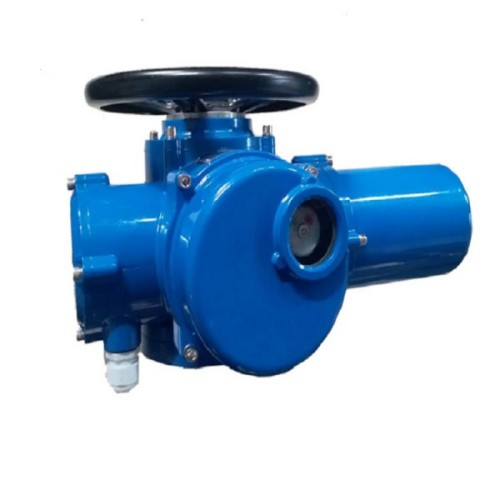
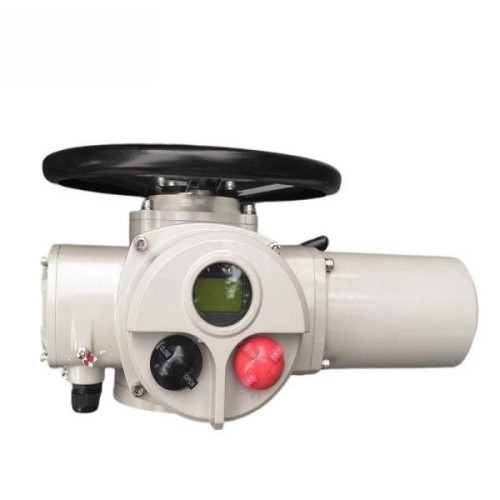
Electric actuators are devices used to control the operation of valves, dampers, and other mechanical systems by converting electrical energy into mechanical motion. They can be classified into several types based on their design, functionality, and application:
1. Multi-Turn Electric Actuators: These actuators are designed to provide rotational movement over multiple turns, making them suitable for applications that require precise and continuous positioning, such as gate valves and globe valves. They are often used in industrial settings where accurate control of fluid flow is essential.
2. Quarter-Turn Electric Actuators: Quarter-turn actuators are designed to provide rotational movement over a 90-degree angle, making them ideal for applications that require on/off or modulating control, such as ball valves and butterfly valves. They are commonly used in various industries for quick and efficient valve operation.
3. Electric Actuator with Fail-Safe Function: Some electric actuators are equipped with fail-safe features, such as spring-return mechanisms or battery backup, to ensure that the valve or damper returns to a safe position in the event of a power failure or system malfunction.
Electric actuators play a critical role in automating and controlling various industrial processes, and the selection of the appropriate type depends on factors such as the valve or damper application, torque or thrust requirements, control system compatibility, and safety considerations. Proper installation and maintenance of electric actuators are essential to ensure reliable and efficient operation within the mechanical system.
What Is An Actuator Used For?
Actuator is used to convert energy into mechanical motion, allowing it to control the operation of various mechanical systems. Actuators are commonly employed to automate the movement of valves, dampers, and other equipment in industrial, commercial, and residential settings. They play a crucial role in regulating the flow of fluids, gases, and other substances within piping systems, as well as in controlling the positioning of mechanical components. Actuators are also utilized in applications such as robotics, manufacturing machinery, HVAC systems, and automotive systems to enable precise and controlled movement. By converting energy into mechanical force, actuators facilitate the efficient operation and automation of a wide range of mechanical processes, contributing to improved system performance, safety, and reliability.












































































