


 Italiano
 africano
 albanese
 Amarico
 Arabo
Arabo
 armeno
 Azero
Azero
 Basco
Basco
 bielorusso
 bengalese
 Bosniaco
 bulgaro
 catalano
 Cebuano
 Corso
Corso
 croato
 ceco
ceco
 danese
 Olandese
 Inglese
 esperanto
 Estone
 finlandese
 francese
 Frisone
 galiziano
 georgiano
 Tedesco
 greco
greco
 Gujarati
 Creolo haitiano
 haussa
 hawaiano
 ebraico
 No
No
 Miao
Miao
 ungherese
 islandese
 igbo
igbo
 indonesiano
 irlandesi
 giapponese
 giavanese
 Kannada
 kazako
 Khmer
Khmer
 Ruandese
 coreano
 curdo
curdo
 Kirghizistan
 TBC
TBC
 latino
 lettone
 lituano
 Lussemburghese
 macedone
 Malgashi
 malese
 Malayalam
 maltese
 Maori
Maori
 Marathi
 mongolo
 Myanmar
 nepalese
 norvegese
 norvegese
 occitano
 Pashtu
 persiano
 Polacco
 portoghese
 Punjabi
 rumeno
 russo
russo
 Samoano
 Gaelico Scozzese
 serbo
serbo
 Inglese
 Shona
Shona
 Sindhi
 Singalese
 slovacco
 sloveno
 Somalo
 spagnolo
 Sundanese
 Swahili
 svedese
 Tagalog
 Tagico
 Tamil
Tamil
 Tartaro
 Telugu
 tailandese
 Turco
Turco
 turkmeno
 ucraino
 Urdu
Urdu
 Uiguro
 Uzbeco
 vietnamita
 gallese
 Aiuto
Aiuto
 yiddish
 Yoruba
 Zulù
Zulù


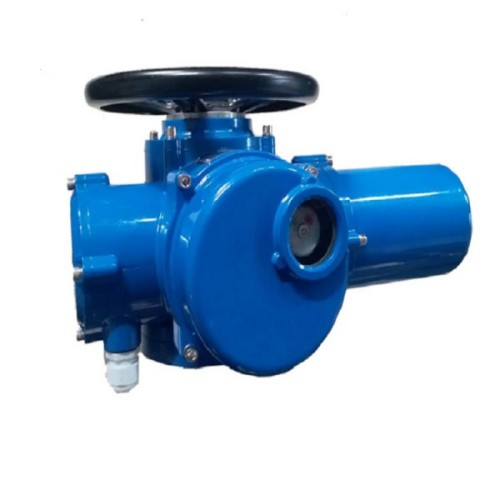
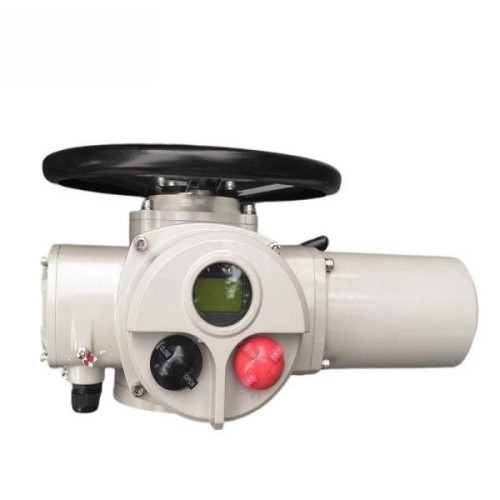
Electric actuators are devices used to control the operation of valves, dampers, and other mechanical systems by converting electrical energy into mechanical motion. They can be classified into several types based on their design, functionality, and application:
1. Multi-Turn Electric Actuators: These actuators are designed to provide rotational movement over multiple turns, making them suitable for applications that require precise and continuous positioning, such as gate valves and globe valves. They are often used in industrial settings where accurate control of fluid flow is essential.
2. Quarter-Turn Electric Actuators: Quarter-turn actuators are designed to provide rotational movement over a 90-degree angle, making them ideal for applications that require on/off or modulating control, such as ball valves and butterfly valves. They are commonly used in various industries for quick and efficient valve operation.
3. Electric Actuator with Fail-Safe Function: Some electric actuators are equipped with fail-safe features, such as spring-return mechanisms or battery backup, to ensure that the valve or damper returns to a safe position in the event of a power failure or system malfunction.
Electric actuators play a critical role in automating and controlling various industrial processes, and the selection of the appropriate type depends on factors such as the valve or damper application, torque or thrust requirements, control system compatibility, and safety considerations. Proper installation and maintenance of electric actuators are essential to ensure reliable and efficient operation within the mechanical system.
What Is An Actuator Used For?
Actuator is used to convert energy into mechanical motion, allowing it to control the operation of various mechanical systems. Actuators are commonly employed to automate the movement of valves, dampers, and other equipment in industrial, commercial, and residential settings. They play a crucial role in regulating the flow of fluids, gases, and other substances within piping systems, as well as in controlling the positioning of mechanical components. Actuators are also utilized in applications such as robotics, manufacturing machinery, HVAC systems, and automotive systems to enable precise and controlled movement. By converting energy into mechanical force, actuators facilitate the efficient operation and automation of a wide range of mechanical processes, contributing to improved system performance, safety, and reliability.












































































