


 čeština
 Afričan
 albánský
 amharština
 arabština
 arménský
 ázerbájdžánský
 baskický
 běloruský
 bengálský
 bosenský
 bulharský
 katalánština
 Cebuano
 Korsičan
 chorvatský
 dánština
 holandský
 Angličtina
 esperanto
 estonština
 finština
 francouzština
 fríský
 galicijský
 gruzínský
 Němec
Němec
 řecký
řecký
 Gudžarátština
 haitská kreolština
 hausa
hausa
 havajský
 hebrejština
 ani náhodou
 Miao
Miao
 maďarský
 islandský
 igbo
igbo
 indonéština
 irština
 italština
 japonský
 jávský
 Kannada
 kazašský
 khmerské
 Rwandské
 korejština
 kurdština
 kyrgyzština
 TBC
TBC
 latinský
 lotyšský
 litevský
 lucemburský
 makedonský
 Malgashi
 malajština
 malajálamština
 maltština
 maorští
 maráthština
 mongolský
 Myanmar
 nepálský
 norský
 norský
 okcitánština
 paštština
 Peršan
 polština
 portugalština
 pandžábština
 rumunština
 ruština
 Samoan
 skotská gaelština
 srbština
 Angličtina
 Shona
Shona
 Sindhi
 sinhálština
 Slovák
 slovinský
 somálský
 španělština
 sundánština
 svahilština
 švédský
 Tagalog
 tádžický
 tamilština
 Tatar
Tatar
 telugština
 thajština
 turečtina
 turkmenský
 ukrajinština
 Urdu
Urdu
 ujgurské
 uzbecký
 vietnamština
 velština
 Pomoc
Pomoc
 jidiš
jidiš
 jorubština
 Zulu
Zulu


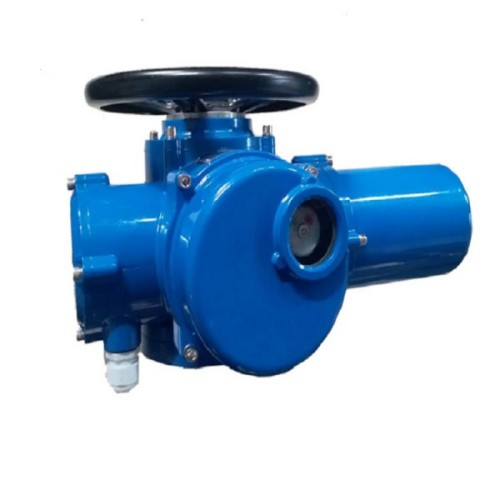
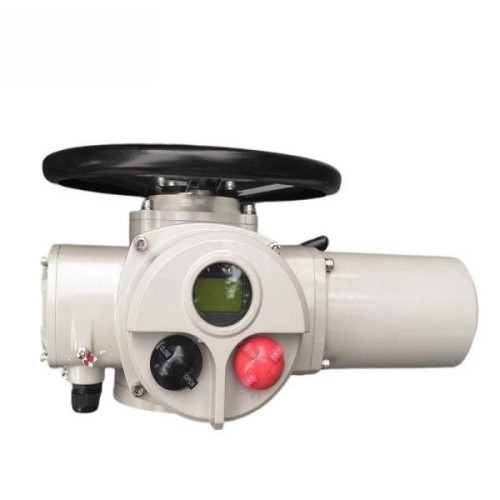
Electric actuators are devices used to control the operation of valves, dampers, and other mechanical systems by converting electrical energy into mechanical motion. They can be classified into several types based on their design, functionality, and application:
1. Multi-Turn Electric Actuators: These actuators are designed to provide rotational movement over multiple turns, making them suitable for applications that require precise and continuous positioning, such as gate valves and globe valves. They are often used in industrial settings where accurate control of fluid flow is essential.
2. Quarter-Turn Electric Actuators: Quarter-turn actuators are designed to provide rotational movement over a 90-degree angle, making them ideal for applications that require on/off or modulating control, such as ball valves and butterfly valves. They are commonly used in various industries for quick and efficient valve operation.
3. Electric Actuator with Fail-Safe Function: Some electric actuators are equipped with fail-safe features, such as spring-return mechanisms or battery backup, to ensure that the valve or damper returns to a safe position in the event of a power failure or system malfunction.
Electric actuators play a critical role in automating and controlling various industrial processes, and the selection of the appropriate type depends on factors such as the valve or damper application, torque or thrust requirements, control system compatibility, and safety considerations. Proper installation and maintenance of electric actuators are essential to ensure reliable and efficient operation within the mechanical system.
What Is An Actuator Used For?
Actuator is used to convert energy into mechanical motion, allowing it to control the operation of various mechanical systems. Actuators are commonly employed to automate the movement of valves, dampers, and other equipment in industrial, commercial, and residential settings. They play a crucial role in regulating the flow of fluids, gases, and other substances within piping systems, as well as in controlling the positioning of mechanical components. Actuators are also utilized in applications such as robotics, manufacturing machinery, HVAC systems, and automotive systems to enable precise and controlled movement. By converting energy into mechanical force, actuators facilitate the efficient operation and automation of a wide range of mechanical processes, contributing to improved system performance, safety, and reliability.












































































