


 አማርኛ
አማርኛ
 አፍሪካዊ
አፍሪካዊ
 አልበንያኛ
 አረብኛ
አረብኛ
 አርመንያኛ
 አዘርባጃኒ
 ባስክ
ባስክ
 ቤላሩሲያን
 ቤንጋሊ
ቤንጋሊ
 ቦስንያን
ቦስንያን
 ቡልጋርያኛ
 ካታሊያን
ካታሊያን
 ሴቡአኖ
ሴቡአኖ
 ኮርሲካን
ኮርሲካን
 ክሮኤሽያን
 ቼክ
ቼክ
 ዳኒሽ
ዳኒሽ
 ደች
ደች
 እንግሊዝኛ
 እስፔራንቶ
 ኢስቶኒያን
 ፊኒሽ
ፊኒሽ
 ፈረንሳይኛ
 ፍሪሲያን
ፍሪሲያን
 ጋላሺያን
ጋላሺያን
 ጆርጅያን
ጆርጅያን
 ጀርመንኛ
ጀርመንኛ
 ግሪክኛ
ግሪክኛ
 ጉጅራቲ
ጉጅራቲ
 ሓይቲያን ክሬኦሌ
 ሃውሳ
ሃውሳ
 ሐዋያን
ሐዋያን
 ሂብሩ
ሂብሩ
 አይደለም
አይደለም
 ሚያኦ
ሚያኦ
 ሃንጋሪያን
 አይስላንዲ ክ
 igbo
igbo
 ኢንዶኔዥያን
 አይሪሽ
አይሪሽ
 ጣሊያንኛ
ጣሊያንኛ
 ጃፓንኛ
ጃፓንኛ
 ጃቫኒስ
ጃቫኒስ
 ካናዳ
ካናዳ
 ካዛክሀ
ካዛክሀ
 ክመር
ክመር
 ሩዋንዳኛ
ሩዋንዳኛ
 ኮሪያኛ
ኮሪያኛ
 ኩርዲሽ
ኩርዲሽ
 ክይርግያዝ
 ቲቢ
ቲቢ
 ላቲን
ላቲን
 ላትቪያን
ላትቪያን
 ሊቱኒያን
ሊቱኒያን
 ሉክዜምብርጊሽ
 ማስዶንያን
 ማልጋሺ
ማልጋሺ
 ማላይ
ማላይ
 ማላያላም
ማላያላም
 ማልትስ
ማልትስ
 ማኦሪይ
ማኦሪይ
 ማራቲ
ማራቲ
 ሞኒጎሊያን
 ማይንማር
ማይንማር
 ኔፓሊ
ኔፓሊ
 ኖርወይኛ
ኖርወይኛ
 ኖርወይኛ
ኖርወይኛ
 ኦሲታን
ኦሲታን
 ፓሽቶ
ፓሽቶ
 ፐርሽያን
ፐርሽያን
 ፖሊሽ
ፖሊሽ
 ፖርቹጋልኛ
 ፑንጃቢ
ፑንጃቢ
 ሮማንያን
ሮማንያን
 ራሺያኛ
ራሺያኛ
 ሳሞአን
ሳሞአን
 ስኮትላንዳዊ ጌሊክ
 ሰሪቢያን
ሰሪቢያን
 እንግሊዝኛ
 ሾና
ሾና
 ስንድሂ
ስንድሂ
 ሲንሃላ
ሲንሃላ
 ስሎቫክ
ስሎቫክ
 ስሎቬንያን
 ሶማሊ
ሶማሊ
 ስፓንኛ
ስፓንኛ
 ሱዳናዊ
ሱዳናዊ
 ስዋሕሊ
ስዋሕሊ
 ስዊድንኛ
ስዊድንኛ
 ታንጋሎግ
ታንጋሎግ
 ታጂክ
ታጂክ
 ታሚል
ታሚል
 ታታር
ታታር
 ተሉጉ
ተሉጉ
 ታይ
ታይ
 ቱሪክሽ
ቱሪክሽ
 ቱሪክሜን
ቱሪክሜን
 ዩክሬንያን
 ኡርዱ
ኡርዱ
 ኡጉር
ኡጉር
 ኡዝቤክ
ኡዝቤክ
 ቪትናሜሴ
ቪትናሜሴ
 ዋልሽ
ዋልሽ
 እገዛ
እገዛ
 ዪዲሽ
ዪዲሽ
 ዮሩባ
ዮሩባ
 ዙሉ
ዙሉ


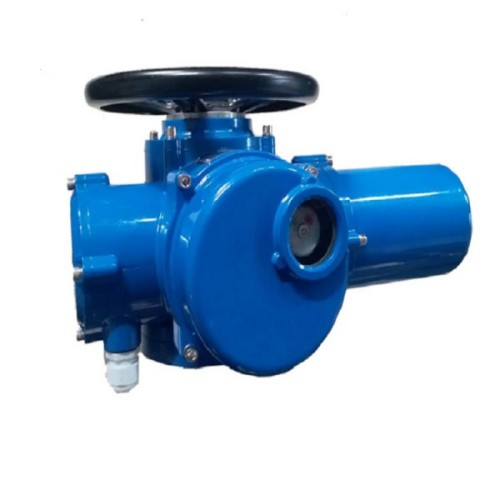
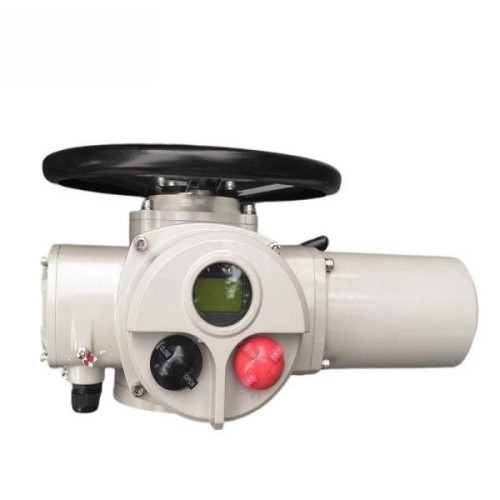
Electric actuators are devices used to control the operation of valves, dampers, and other mechanical systems by converting electrical energy into mechanical motion. They can be classified into several types based on their design, functionality, and application:
1. Multi-Turn Electric Actuators: These actuators are designed to provide rotational movement over multiple turns, making them suitable for applications that require precise and continuous positioning, such as gate valves and globe valves. They are often used in industrial settings where accurate control of fluid flow is essential.
2. Quarter-Turn Electric Actuators: Quarter-turn actuators are designed to provide rotational movement over a 90-degree angle, making them ideal for applications that require on/off or modulating control, such as ball valves and butterfly valves. They are commonly used in various industries for quick and efficient valve operation.
3. Electric Actuator with Fail-Safe Function: Some electric actuators are equipped with fail-safe features, such as spring-return mechanisms or battery backup, to ensure that the valve or damper returns to a safe position in the event of a power failure or system malfunction.
Electric actuators play a critical role in automating and controlling various industrial processes, and the selection of the appropriate type depends on factors such as the valve or damper application, torque or thrust requirements, control system compatibility, and safety considerations. Proper installation and maintenance of electric actuators are essential to ensure reliable and efficient operation within the mechanical system.
What Is An Actuator Used For?
Actuator is used to convert energy into mechanical motion, allowing it to control the operation of various mechanical systems. Actuators are commonly employed to automate the movement of valves, dampers, and other equipment in industrial, commercial, and residential settings. They play a crucial role in regulating the flow of fluids, gases, and other substances within piping systems, as well as in controlling the positioning of mechanical components. Actuators are also utilized in applications such as robotics, manufacturing machinery, HVAC systems, and automotive systems to enable precise and controlled movement. By converting energy into mechanical force, actuators facilitate the efficient operation and automation of a wide range of mechanical processes, contributing to improved system performance, safety, and reliability.












































































