


 አማርኛ
አማርኛ
 አፍሪካዊ
አፍሪካዊ
 አልበንያኛ
 አረብኛ
አረብኛ
 አርመንያኛ
 አዘርባጃኒ
 ባስክ
ባስክ
 ቤላሩሲያን
 ቤንጋሊ
ቤንጋሊ
 ቦስንያን
ቦስንያን
 ቡልጋርያኛ
 ካታሊያን
ካታሊያን
 ሴቡአኖ
ሴቡአኖ
 ኮርሲካን
ኮርሲካን
 ክሮኤሽያን
 ቼክ
ቼክ
 ዳኒሽ
ዳኒሽ
 ደች
ደች
 እንግሊዝኛ
 እስፔራንቶ
 ኢስቶኒያን
 ፊኒሽ
ፊኒሽ
 ፈረንሳይኛ
 ፍሪሲያን
ፍሪሲያን
 ጋላሺያን
ጋላሺያን
 ጆርጅያን
ጆርጅያን
 ጀርመንኛ
ጀርመንኛ
 ግሪክኛ
ግሪክኛ
 ጉጅራቲ
ጉጅራቲ
 ሓይቲያን ክሬኦሌ
 ሃውሳ
ሃውሳ
 ሐዋያን
ሐዋያን
 ሂብሩ
ሂብሩ
 አይደለም
አይደለም
 ሚያኦ
ሚያኦ
 ሃንጋሪያን
 አይስላንዲ ክ
 igbo
igbo
 ኢንዶኔዥያን
 አይሪሽ
አይሪሽ
 ጣሊያንኛ
ጣሊያንኛ
 ጃፓንኛ
ጃፓንኛ
 ጃቫኒስ
ጃቫኒስ
 ካናዳ
ካናዳ
 ካዛክሀ
ካዛክሀ
 ክመር
ክመር
 ሩዋንዳኛ
ሩዋንዳኛ
 ኮሪያኛ
ኮሪያኛ
 ኩርዲሽ
ኩርዲሽ
 ክይርግያዝ
 ቲቢ
ቲቢ
 ላቲን
ላቲን
 ላትቪያን
ላትቪያን
 ሊቱኒያን
ሊቱኒያን
 ሉክዜምብርጊሽ
 ማስዶንያን
 ማልጋሺ
ማልጋሺ
 ማላይ
ማላይ
 ማላያላም
ማላያላም
 ማልትስ
ማልትስ
 ማኦሪይ
ማኦሪይ
 ማራቲ
ማራቲ
 ሞኒጎሊያን
 ማይንማር
ማይንማር
 ኔፓሊ
ኔፓሊ
 ኖርወይኛ
ኖርወይኛ
 ኖርወይኛ
ኖርወይኛ
 ኦሲታን
ኦሲታን
 ፓሽቶ
ፓሽቶ
 ፐርሽያን
ፐርሽያን
 ፖሊሽ
ፖሊሽ
 ፖርቹጋልኛ
 ፑንጃቢ
ፑንጃቢ
 ሮማንያን
ሮማንያን
 ራሺያኛ
ራሺያኛ
 ሳሞአን
ሳሞአን
 ስኮትላንዳዊ ጌሊክ
 ሰሪቢያን
ሰሪቢያን
 እንግሊዝኛ
 ሾና
ሾና
 ስንድሂ
ስንድሂ
 ሲንሃላ
ሲንሃላ
 ስሎቫክ
ስሎቫክ
 ስሎቬንያን
 ሶማሊ
ሶማሊ
 ስፓንኛ
ስፓንኛ
 ሱዳናዊ
ሱዳናዊ
 ስዋሕሊ
ስዋሕሊ
 ስዊድንኛ
ስዊድንኛ
 ታንጋሎግ
ታንጋሎግ
 ታጂክ
ታጂክ
 ታሚል
ታሚል
 ታታር
ታታር
 ተሉጉ
ተሉጉ
 ታይ
ታይ
 ቱሪክሽ
ቱሪክሽ
 ቱሪክሜን
ቱሪክሜን
 ዩክሬንያን
 ኡርዱ
ኡርዱ
 ኡጉር
ኡጉር
 ኡዝቤክ
ኡዝቤክ
 ቪትናሜሴ
ቪትናሜሴ
 ዋልሽ
ዋልሽ
 እገዛ
እገዛ
 ዪዲሽ
ዪዲሽ
 ዮሩባ
ዮሩባ
 ዙሉ
ዙሉ


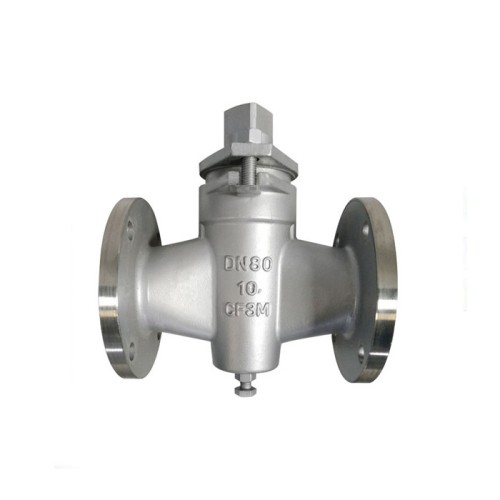
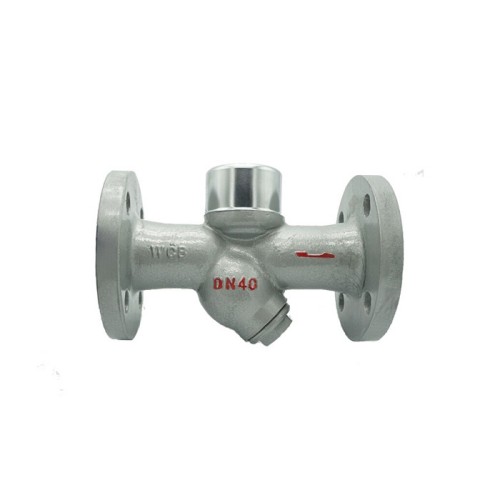
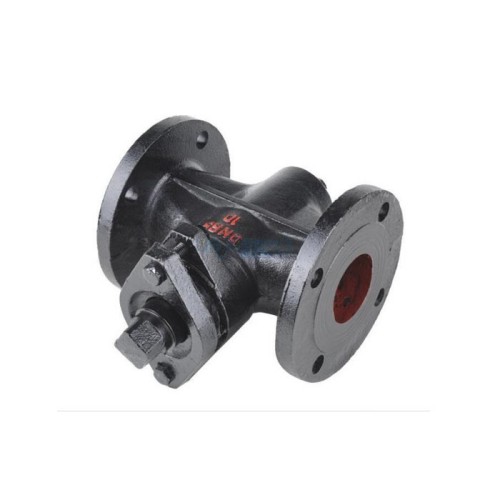
Plug valve is a type of quarter-turn valve that uses a cylindrical or tapered plug to control the flow of fluid through the valve. The plug can be rotated within the valve body to allow or block the flow, making it a versatile and reliable option for various applications. Plug valves are commonly used in industries such as oil and gas, chemical processing, and water treatment, where they are valued for their ability to provide tight shutoff and low maintenance requirements. These valves are suitable for on/off and throttling applications, and they are often used in systems where frequent operation and positive shutoff are essential. The design of plug valves allows for quick and easy operation, making them well-suited for applications that require rapid response to flow control changes. Additionally, plug valves are available in various configurations, including lubricated plug valves, non-lubricated plug valves, and sleeved plug valves, each offering specific advantages for different operating conditions. Proper selection and maintenance of plug valves are essential to ensure their reliable performance and longevity within the fluid system.
What Is The Difference Between A Plug Valve And A Gate Valve?
The main difference between a plug valve and a gate valve lies in their internal mechanisms and how they control the flow of fluid.
Plug valve uses a cylindrical or tapered plug to control the flow. The plug can be rotated within the valve body to allow or block the flow, making it a versatile option for various applications. Plug valves are commonly used for on/off and throttling applications, and they are known for their tight shutoff capabilities and low maintenance requirements.
On the other hand, gate valve controls the flow of fluid using a gate or wedge that moves up and down to either block or allow the flow. Gate valves are typically used for fully open or fully closed applications, rather than for throttling. They are known for their ability to provide a tight seal when fully closed, but they may not offer the same level of control as plug valves in throttling applications.
In summary, the key difference is that plug valves use a cylindrical or tapered plug to control flow and are suitable for both on/off and throttling applications, while gate valves use a gate or wedge to control flow and are primarily used for fully open or fully closed applications.












































































