


 Татар
Татар
 Африка
 Албан
Албан
 Амхар
Амхар
 Гарәп
Гарәп
 Әрмән
Әрмән
 Азәрбайҗан
 Баск
Баск
 Беларусия
 Бенгал
 Босния
 Болгар
 Каталан
 Себуано
 Корсика
 Хорватия
 Чехия
Чехия
 Дания
Дания
 Голландия
 Инглиз
 Эсперанто
 Эстония
 Фин
Фин
 Француз
 Фриз
Фриз
 Галисия
 Грузин
 Немец
Немец
 Грек
Грек
 Гуджарати
 Гаити креолы
 hausa
hausa
 hawaiian
 Иврит
Иврит
 .К
.К
 Миао
Миао
 Венгр
Венгр
 Исландия
 игбо
игбо
 Индонезия
 ириш
ириш
 Италия
 Япон
Япон
 Ява
Ява
 Каннада
 казах
казах
 Кхмер
Кхмер
 Руанда
 Корея
Корея
 Көрд
Көрд
 Кыргызстан
 Туберкулез
 Латин
Латин
 Латвия
 Литва
Литва
 Люксембург
 Македония
 Малгаши
 Малайча
 Малаялам
 Мальта
 Маори
Маори
 Марат
Марат
 Монгол
 Мьянма
 Непал
Непал
 Норвегия
 Норвегия
 Окитан
 Пушту
Пушту
 Фарсы
Фарсы
 Поляк
Поляк
 Португал
 Пәнҗаби
 Румыния
 Рус
Рус
 Самоа
Самоа
 Шотландия Гэль
 Серб
Серб
 Инглиз
 Шона
Шона
 Синдхи
 Синхала
 Словакия
 Словения
 Сомали
 Испан
Испан
 Сундан
 Суахили
 Швед
Швед
 Тагалог
 Таҗик
Таҗик
 Тамил
Тамил
 Телугу
 Тай
Тай
 Төрек
Төрек
 Төрекмәнстан
 Украин
 Урду
Урду
 Уйгур
Уйгур
 Uzbekзбәк
 Вьетнам
 Уэльс
Уэльс
 Ярдәм итегез
 Идиш
Идиш
 Йоруба
 Зулу
Зулу


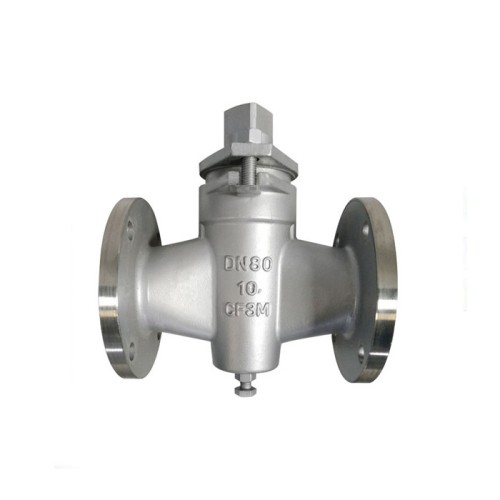
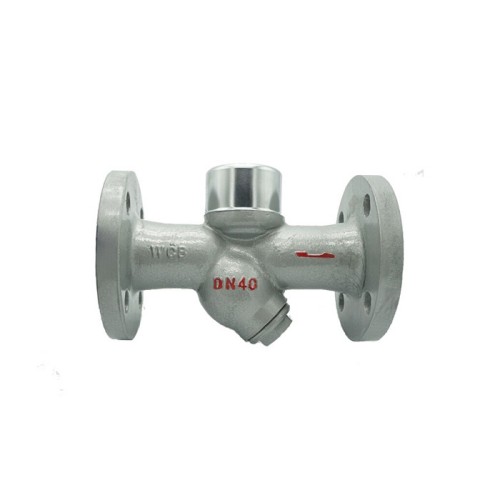
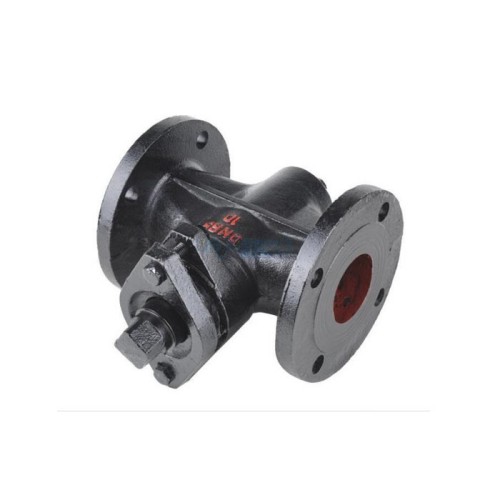
Plug valve is a type of quarter-turn valve that uses a cylindrical or tapered plug to control the flow of fluid through the valve. The plug can be rotated within the valve body to allow or block the flow, making it a versatile and reliable option for various applications. Plug valves are commonly used in industries such as oil and gas, chemical processing, and water treatment, where they are valued for their ability to provide tight shutoff and low maintenance requirements. These valves are suitable for on/off and throttling applications, and they are often used in systems where frequent operation and positive shutoff are essential. The design of plug valves allows for quick and easy operation, making them well-suited for applications that require rapid response to flow control changes. Additionally, plug valves are available in various configurations, including lubricated plug valves, non-lubricated plug valves, and sleeved plug valves, each offering specific advantages for different operating conditions. Proper selection and maintenance of plug valves are essential to ensure their reliable performance and longevity within the fluid system.
What Is The Difference Between A Plug Valve And A Gate Valve?
The main difference between a plug valve and a gate valve lies in their internal mechanisms and how they control the flow of fluid.
Plug valve uses a cylindrical or tapered plug to control the flow. The plug can be rotated within the valve body to allow or block the flow, making it a versatile option for various applications. Plug valves are commonly used for on/off and throttling applications, and they are known for their tight shutoff capabilities and low maintenance requirements.
On the other hand, gate valve controls the flow of fluid using a gate or wedge that moves up and down to either block or allow the flow. Gate valves are typically used for fully open or fully closed applications, rather than for throttling. They are known for their ability to provide a tight seal when fully closed, but they may not offer the same level of control as plug valves in throttling applications.
In summary, the key difference is that plug valves use a cylindrical or tapered plug to control flow and are suitable for both on/off and throttling applications, while gate valves use a gate or wedge to control flow and are primarily used for fully open or fully closed applications.












































































