


 Татар
Татар
 Африка
 Албан
Албан
 Амхар
Амхар
 Гарәп
Гарәп
 Әрмән
Әрмән
 Азәрбайҗан
 Баск
Баск
 Беларусия
 Бенгал
 Босния
 Болгар
 Каталан
 Себуано
 Корсика
 Хорватия
 Чехия
Чехия
 Дания
Дания
 Голландия
 Инглиз
 Эсперанто
 Эстония
 Фин
Фин
 Француз
 Фриз
Фриз
 Галисия
 Грузин
 Немец
Немец
 Грек
Грек
 Гуджарати
 Гаити креолы
 hausa
hausa
 hawaiian
 Иврит
Иврит
 .К
.К
 Миао
Миао
 Венгр
Венгр
 Исландия
 игбо
игбо
 Индонезия
 ириш
ириш
 Италия
 Япон
Япон
 Ява
Ява
 Каннада
 казах
казах
 Кхмер
Кхмер
 Руанда
 Корея
Корея
 Көрд
Көрд
 Кыргызстан
 Туберкулез
 Латин
Латин
 Латвия
 Литва
Литва
 Люксембург
 Македония
 Малгаши
 Малайча
 Малаялам
 Мальта
 Маори
Маори
 Марат
Марат
 Монгол
 Мьянма
 Непал
Непал
 Норвегия
 Норвегия
 Окитан
 Пушту
Пушту
 Фарсы
Фарсы
 Поляк
Поляк
 Португал
 Пәнҗаби
 Румыния
 Рус
Рус
 Самоа
Самоа
 Шотландия Гэль
 Серб
Серб
 Инглиз
 Шона
Шона
 Синдхи
 Синхала
 Словакия
 Словения
 Сомали
 Испан
Испан
 Сундан
 Суахили
 Швед
Швед
 Тагалог
 Таҗик
Таҗик
 Тамил
Тамил
 Телугу
 Тай
Тай
 Төрек
Төрек
 Төрекмәнстан
 Украин
 Урду
Урду
 Уйгур
Уйгур
 Uzbekзбәк
 Вьетнам
 Уэльс
Уэльс
 Ярдәм итегез
 Идиш
Идиш
 Йоруба
 Зулу
Зулу


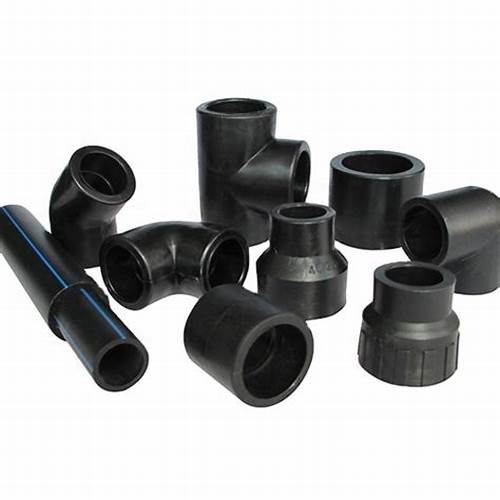
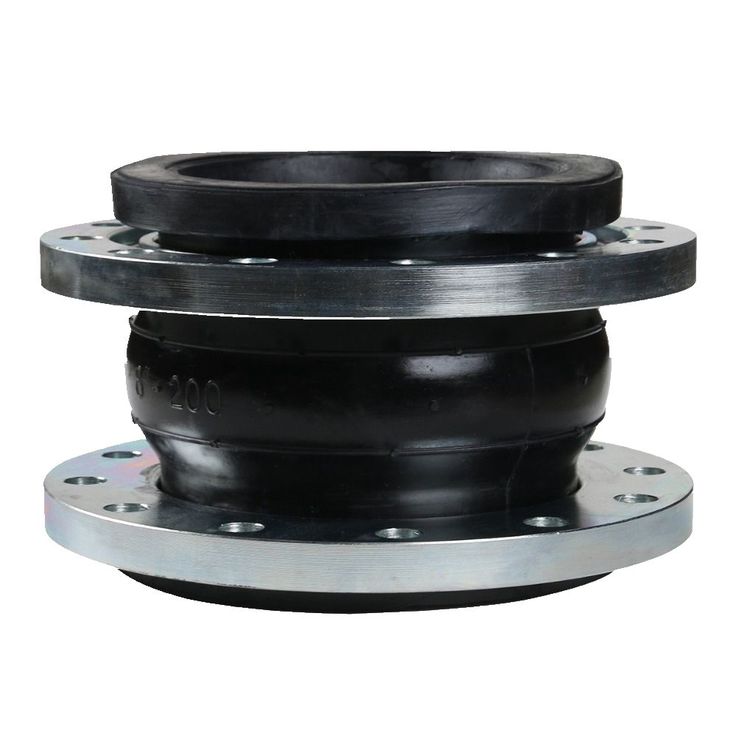
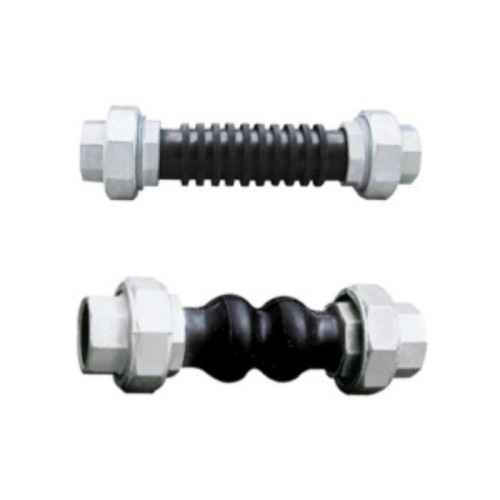
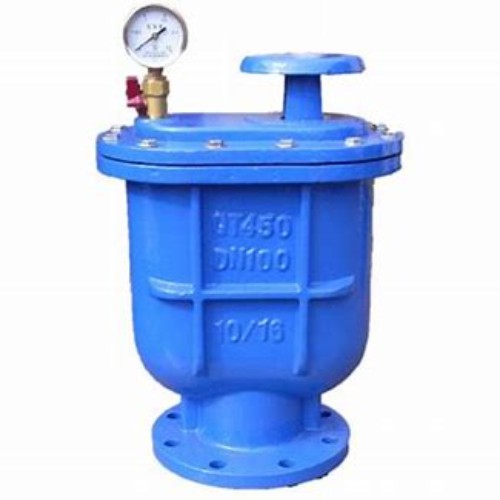
Pipe and pipe fittings are essential components in fluid conveyance systems, serving to transport liquids, gases, and solids in various industrial and commercial applications. Pipes are typically categorized based on their material composition, such as steel, copper, PVC, or other alloys, and are available in different sizes and pressure ratings to accommodate diverse operational requirements. Common types of pipes include seamless pipes, welded pipes, and ductile iron pipes, each offering specific advantages in terms of strength, corrosion resistance, and cost-effectiveness.Pipe fittings, on the other hand, are used to connect, control, and redirect the flow of fluids within the piping system. They come in a wide range of shapes, sizes, and materials to facilitate diverse functions, including elbows, tees, reducers, couplings, and valves. These fittings are crucial for ensuring proper alignment, sealing, and flow control within the piping network, and they are often designed to withstand high pressures, extreme temperatures, and corrosive environments.The selection of pipes and fittings depends on factors such as the nature of the conveyed fluid, operating conditions, system design, and regulatory requirements. Proper installation and maintenance of pipes and fittings are essential to ensure the integrity and efficiency of the fluid conveyance system.

What Is The Difference Between A Pipe And A Fitting?
The main difference between a pipe and a fitting lies in their respective functions within a fluid conveyance system. A pipe is a tubular structure used to transport fluids, gases, or solids from one point to another. It serves as the main conduit for the flow of the substance and is available in various materials, sizes, and pressure ratings to accommodate different operational requirements. Pipes are typically designed to withstand the pressure, temperature, and corrosive nature of the conveyed substance.
On the other hand, a fitting is a component used to connect, control, or adapt the flow within the piping system. Fittings come in a variety of shapes, sizes, and materials and are essential for joining pipes together, changing the direction of flow, regulating the flow rate, or terminating the pipe run. Common types of fittings include elbows, tees, reducers, couplings, and valves, each serving a specific purpose in the fluid conveyance system.In summary, while pipes serve as the primary channels for fluid transport, fittings are auxiliary components that facilitate the proper alignment, connection, and control of the flow within the piping network. Both pipes and fittings are integral to the efficient and safe operation of fluid conveyance systems, and their selection and installation are crucial for ensuring system integrity and performance.












































































