


 o'zbek
 afrikalik
 alban
alban
 Amhar
Amhar
 arabcha
 arman
arman
 ozarbayjon
 bask
bask
 belarus
 bengal
 bosniyalik
 bolgar
 katalon
 Sebuano
 Korsika
 xorvat
 chex
chex
 Daniya
 golland
 Ingliz
 Esperanto
 eston
eston
 fin
fin
 frantsuz
 frizcha
 Galisian
 gruzin
 nemis
nemis
 yunoncha
 Gujarati
 Gaiti kreoli
 hausa
hausa
 gavayilik
 ibroniy
 yoq
yoq
 Miao
Miao
 venger
 island
 igbo
igbo
 indonez
 irland
 italyancha
 yapon
yapon
 yava
yava
 Kannada
 qozoq
qozoq
 kxmer
kxmer
 Ruanda
 koreys
 kurd
kurd
 qirg'iz
 sil kasalligi
 lotin
lotin
 latviyalik
 litva
litva
 Lyuksemburgcha
 makedon
 Malgashi
 malay
malay
 Malayalam
 malta
malta
 maori
maori
 marati
 mo'g'ul
 Myanma
 Nepal
Nepal
 norveg
 norveg
 oksitan
 Pushtu
 forscha
 polyak
 portugal
 panjob
 rumin
rumin
 rus
rus
 Samoa
Samoa
 Shotlandiya gael tili
 serb
serb
 Ingliz
 Shona
Shona
 Sindhi
 Sinhala
 slovak
 sloven
 Somali
 ispancha
 sundan
 suahili
 shvedcha
 Tagalog
 tojik
tojik
 Tamil
Tamil
 tatar
tatar
 Telugu
 tay
tay
 turkcha
 turkman
 ukrain
 urdu
urdu
 uyg'ur
 Vetnam
 uels
uels
 Yordam
 Yahudiy
 Yoruba
 Zulu
Zulu


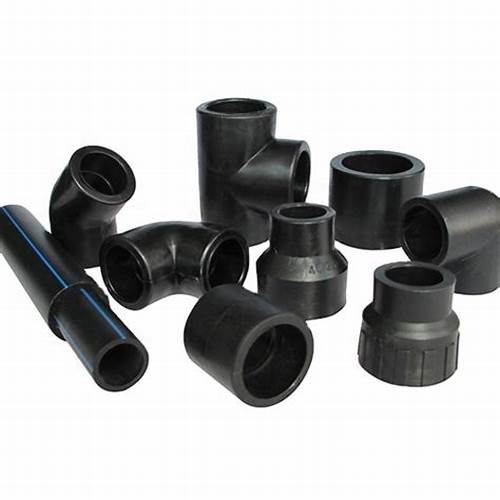
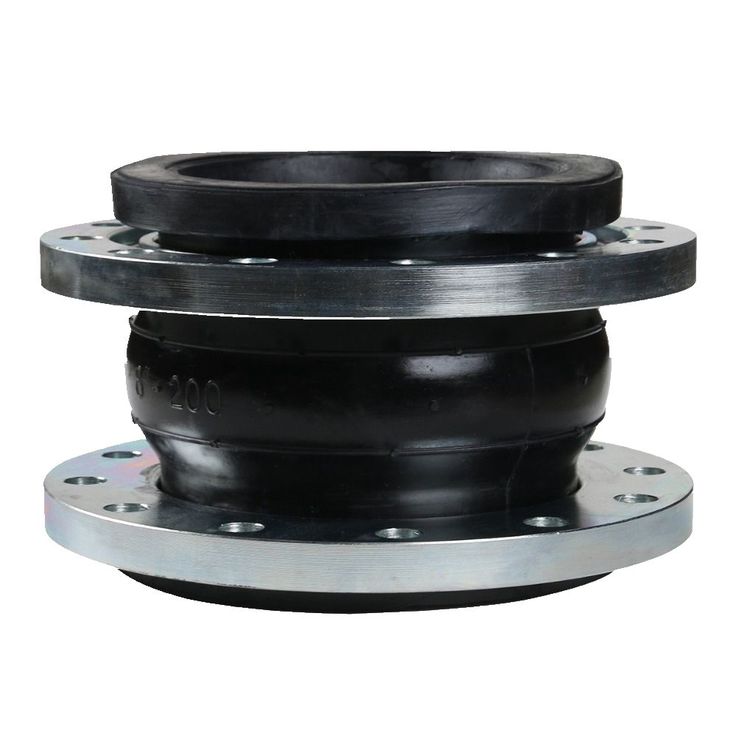
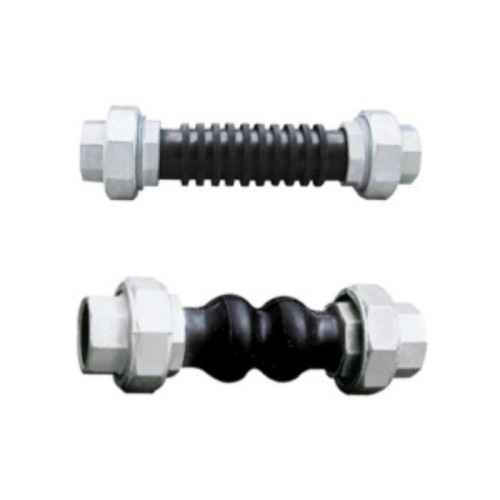
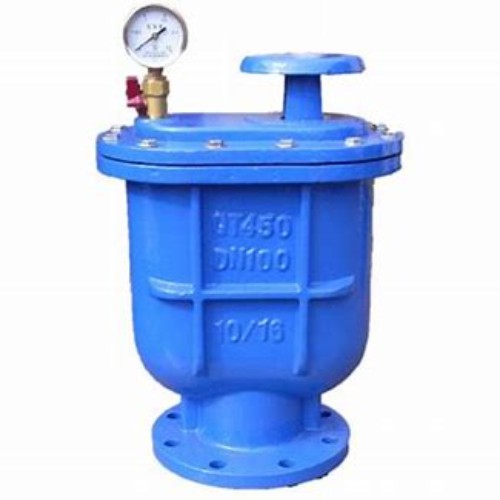
Pipe and pipe fittings are essential components in fluid conveyance systems, serving to transport liquids, gases, and solids in various industrial and commercial applications. Pipes are typically categorized based on their material composition, such as steel, copper, PVC, or other alloys, and are available in different sizes and pressure ratings to accommodate diverse operational requirements. Common types of pipes include seamless pipes, welded pipes, and ductile iron pipes, each offering specific advantages in terms of strength, corrosion resistance, and cost-effectiveness.Pipe fittings, on the other hand, are used to connect, control, and redirect the flow of fluids within the piping system. They come in a wide range of shapes, sizes, and materials to facilitate diverse functions, including elbows, tees, reducers, couplings, and valves. These fittings are crucial for ensuring proper alignment, sealing, and flow control within the piping network, and they are often designed to withstand high pressures, extreme temperatures, and corrosive environments.The selection of pipes and fittings depends on factors such as the nature of the conveyed fluid, operating conditions, system design, and regulatory requirements. Proper installation and maintenance of pipes and fittings are essential to ensure the integrity and efficiency of the fluid conveyance system.

What Is The Difference Between A Pipe And A Fitting?
The main difference between a pipe and a fitting lies in their respective functions within a fluid conveyance system. A pipe is a tubular structure used to transport fluids, gases, or solids from one point to another. It serves as the main conduit for the flow of the substance and is available in various materials, sizes, and pressure ratings to accommodate different operational requirements. Pipes are typically designed to withstand the pressure, temperature, and corrosive nature of the conveyed substance.
On the other hand, a fitting is a component used to connect, control, or adapt the flow within the piping system. Fittings come in a variety of shapes, sizes, and materials and are essential for joining pipes together, changing the direction of flow, regulating the flow rate, or terminating the pipe run. Common types of fittings include elbows, tees, reducers, couplings, and valves, each serving a specific purpose in the fluid conveyance system.In summary, while pipes serve as the primary channels for fluid transport, fittings are auxiliary components that facilitate the proper alignment, connection, and control of the flow within the piping network. Both pipes and fittings are integral to the efficient and safe operation of fluid conveyance systems, and their selection and installation are crucial for ensuring system integrity and performance.












































































