


 Polski
 afrykanin
 albański
 amharski
 arabski
 ormiański
 azerbejdżański
 baskijski
 białoruski
 bengalski
 bośniacki
 bułgarski
 kataloński
 Cebuański
 korsykański
 chorwacki
 Czech
Czech
 duński
 Holenderski
 język angielski
 esperanto
 estoński
 fiński
 Francuski
 fryzyjski
 galicyjski
 gruziński
 Niemiecki
 grecki
 gudżarati
 Kreolski haitański
 hausa
hausa
 hawajski
 hebrajski
 Nie
Nie
 Miao
Miao
 język węgierski
 islandzki
 ibo
ibo
 indonezyjski
 Irlandczyk
 Włoski
 język japoński
 jawajski
 Kannada
 kazachski
 Khmer
Khmer
 Rwandyjski
 koreański
 kurdyjski
 Kirgiski
 gruźlica
 łacina
 łotewski
 litewski
 luksemburski
 macedoński
 Malgashi
 malajski
 malajalam
 maltański
 Maoryski
 marathi
 mongolski
 Myanmar
 Nepalski
 norweski
 norweski
 oksytański
 paszto
 perski
 portugalski
 Pendżabski
 rumuński
 Rosyjski
 Samoański
 szkocki gaelicki
 serbski
 język angielski
 Shona
Shona
 Sindhi
 syngaleski
 słowacki
 słoweński
 somalijski
 hiszpański
 Sundajczyk
 Suahili
 szwedzki
 tagalski
 tadżycki
 Tamil
Tamil
 Tatar
Tatar
 telugu
 tajski
 turecki
 Turkmeni
 ukraiński
 urdu
urdu
 Ujgur
Ujgur
 uzbecki
 wietnamski
 walijski
 Pomoc
Pomoc
 jidysz
 Joruba
 Zulus
Zulus


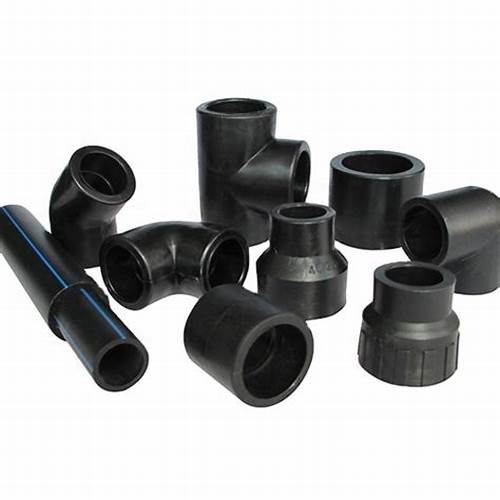
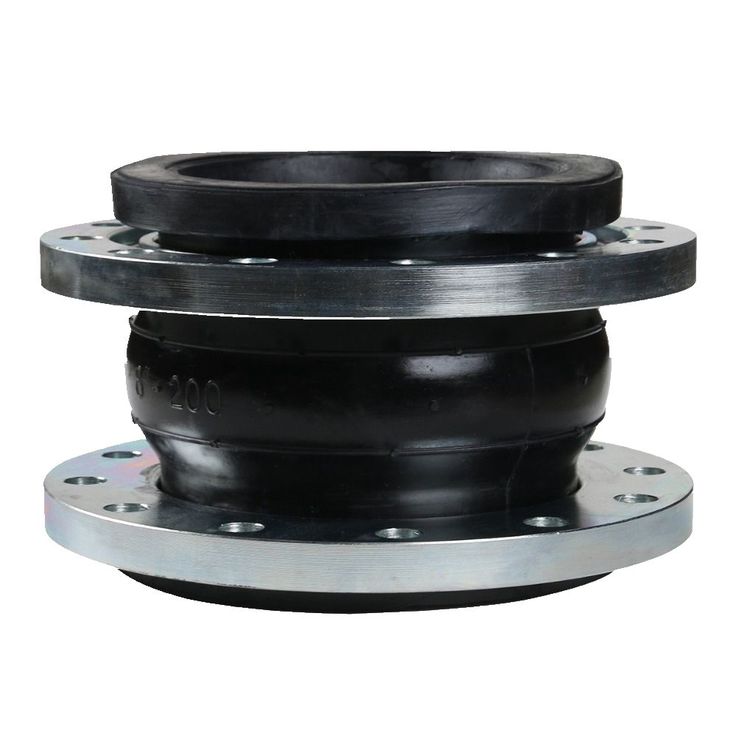
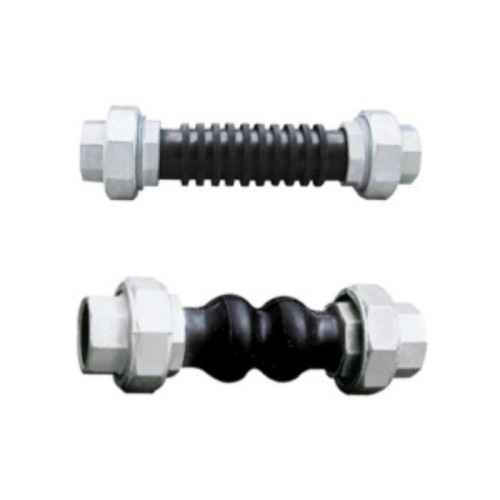
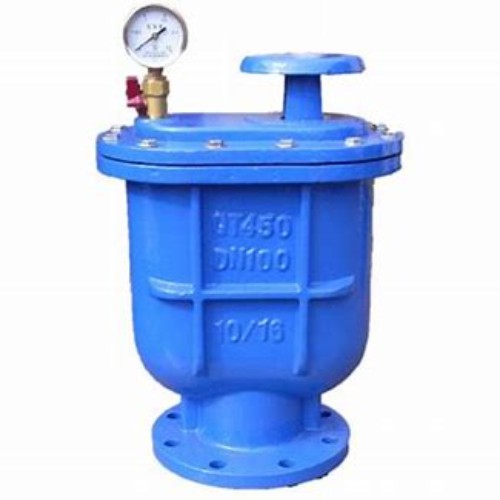
Pipe and pipe fittings are essential components in fluid conveyance systems, serving to transport liquids, gases, and solids in various industrial and commercial applications. Pipes are typically categorized based on their material composition, such as steel, copper, PVC, or other alloys, and are available in different sizes and pressure ratings to accommodate diverse operational requirements. Common types of pipes include seamless pipes, welded pipes, and ductile iron pipes, each offering specific advantages in terms of strength, corrosion resistance, and cost-effectiveness.Pipe fittings, on the other hand, are used to connect, control, and redirect the flow of fluids within the piping system. They come in a wide range of shapes, sizes, and materials to facilitate diverse functions, including elbows, tees, reducers, couplings, and valves. These fittings are crucial for ensuring proper alignment, sealing, and flow control within the piping network, and they are often designed to withstand high pressures, extreme temperatures, and corrosive environments.The selection of pipes and fittings depends on factors such as the nature of the conveyed fluid, operating conditions, system design, and regulatory requirements. Proper installation and maintenance of pipes and fittings are essential to ensure the integrity and efficiency of the fluid conveyance system.

What Is The Difference Between A Pipe And A Fitting?
The main difference between a pipe and a fitting lies in their respective functions within a fluid conveyance system. A pipe is a tubular structure used to transport fluids, gases, or solids from one point to another. It serves as the main conduit for the flow of the substance and is available in various materials, sizes, and pressure ratings to accommodate different operational requirements. Pipes are typically designed to withstand the pressure, temperature, and corrosive nature of the conveyed substance.
On the other hand, a fitting is a component used to connect, control, or adapt the flow within the piping system. Fittings come in a variety of shapes, sizes, and materials and are essential for joining pipes together, changing the direction of flow, regulating the flow rate, or terminating the pipe run. Common types of fittings include elbows, tees, reducers, couplings, and valves, each serving a specific purpose in the fluid conveyance system.In summary, while pipes serve as the primary channels for fluid transport, fittings are auxiliary components that facilitate the proper alignment, connection, and control of the flow within the piping network. Both pipes and fittings are integral to the efficient and safe operation of fluid conveyance systems, and their selection and installation are crucial for ensuring system integrity and performance.












































































