


 Polski
 afrykanin
 albański
 amharski
 arabski
 ormiański
 azerbejdżański
 baskijski
 białoruski
 bengalski
 bośniacki
 bułgarski
 kataloński
 Cebuański
 korsykański
 chorwacki
 Czech
Czech
 duński
 Holenderski
 język angielski
 esperanto
 estoński
 fiński
 Francuski
 fryzyjski
 galicyjski
 gruziński
 Niemiecki
 grecki
 gudżarati
 Kreolski haitański
 hausa
hausa
 hawajski
 hebrajski
 Nie
Nie
 Miao
Miao
 język węgierski
 islandzki
 ibo
ibo
 indonezyjski
 Irlandczyk
 Włoski
 język japoński
 jawajski
 Kannada
 kazachski
 Khmer
Khmer
 Rwandyjski
 koreański
 kurdyjski
 Kirgiski
 gruźlica
 łacina
 łotewski
 litewski
 luksemburski
 macedoński
 Malgashi
 malajski
 malajalam
 maltański
 Maoryski
 marathi
 mongolski
 Myanmar
 Nepalski
 norweski
 norweski
 oksytański
 paszto
 perski
 portugalski
 Pendżabski
 rumuński
 Rosyjski
 Samoański
 szkocki gaelicki
 serbski
 język angielski
 Shona
Shona
 Sindhi
 syngaleski
 słowacki
 słoweński
 somalijski
 hiszpański
 Sundajczyk
 Suahili
 szwedzki
 tagalski
 tadżycki
 Tamil
Tamil
 Tatar
Tatar
 telugu
 tajski
 turecki
 Turkmeni
 ukraiński
 urdu
urdu
 Ujgur
Ujgur
 uzbecki
 wietnamski
 walijski
 Pomoc
Pomoc
 jidysz
 Joruba
 Zulus
Zulus


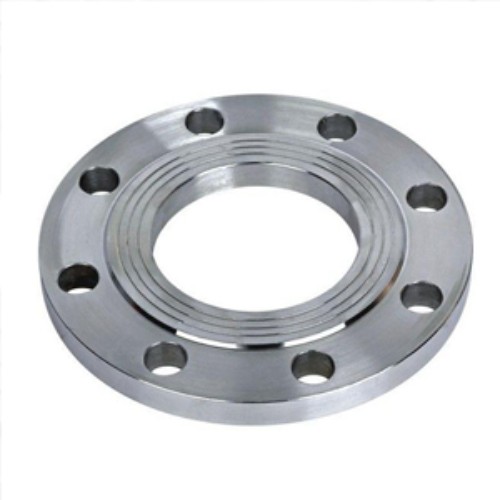
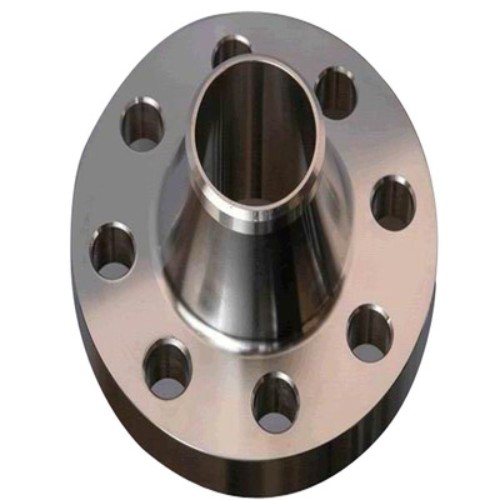
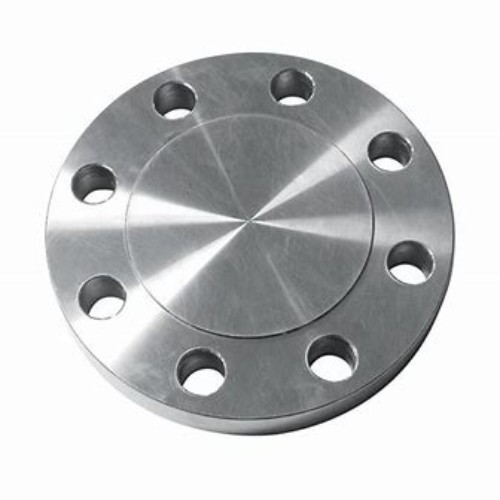
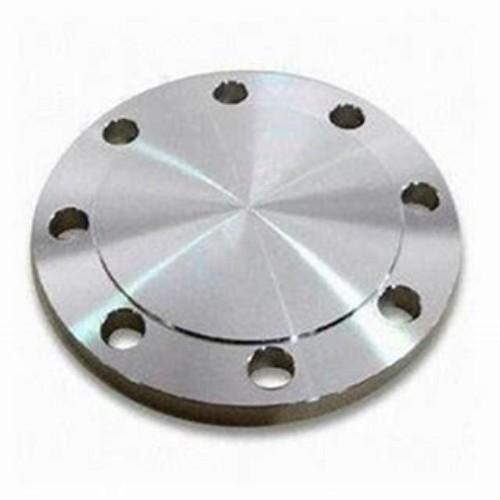
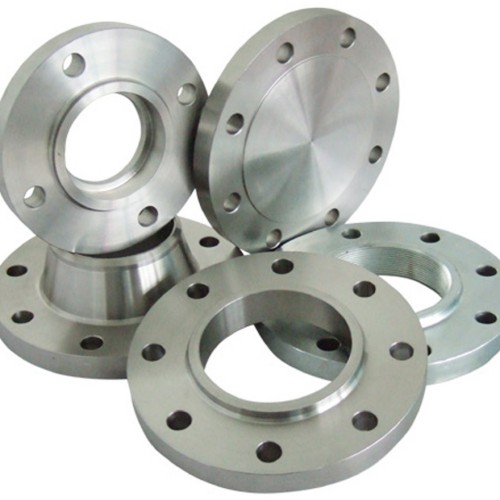
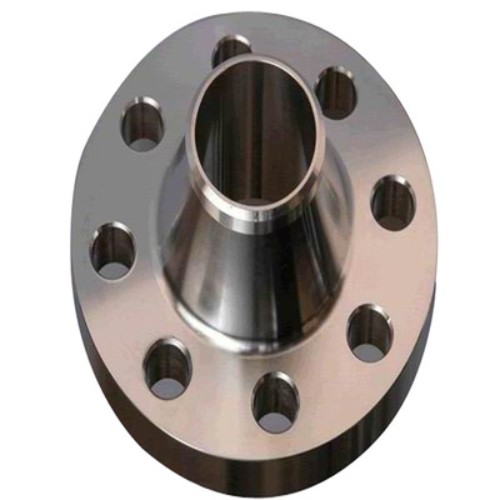
Flanges are important components for connecting pipes, valves, equipment and accessories to achieve safe and reliable connections. Flanges can be divided into various types according to different standards and uses. Common flange types include weld neck flanges, blind flanges, flange-to-flanges, sliding flanges, and threaded flanges. Welded neck flanges are suitable for high pressure and high temperature environments and are connected to pipes by welding to provide a stable connection. Blind flanges are used to close the ends of pipes to facilitate maintenance and inspection. Flange-to-flange is typically used to connect two pipes, while sliding flange allows the flange to slide over the pipe for easy installation and adjustment. Threaded flanges are suitable for low pressure environments and are threaded to pipes. Selecting the appropriate flange type depends on the pressure, temperature, media and installation requirements of the piping system. Proper selection and installation of flanges ensures safe operation and sealed connections in piping systems.
What Are The Types Of Flanges?
The types of flanges commonly used in piping systems include:
1. Weld Neck Flange: This type of flange is designed with a long, tapered hub that provides an ideal connection for high-pressure applications. The neck of the flange is welded to the pipe, offering strength and support at the joint.
2. Slip-On Flange: Slip-on flanges are easy to align and are used in low-pressure applications. They are slipped over the pipe and then welded both inside and outside to provide strength and prevent leakage.
3. Blind Flange: Blind flanges are solid disks used to block off a pipeline or to create a stop. They are commonly used for pressure testing the flow of gas or liquid through a pipeline.
4. Threaded Flange: Threaded flanges are used in low-pressure applications and are connected to the pipe with threads, providing a strong and reliable connection.
5. Lap Joint Flange: Lap joint flanges are used with a stub end or taft, which is welded to the pipe. The flange then slides over the pipe and is free to rotate around the stub end, allowing for easy alignment of bolt holes.
6. Socket Weld Flange: Socket weld flanges are used for high-pressure applications and are connected to the pipe by inserting the pipe into the socket end and then applying fillet weld around the top.
Each type of flange has specific characteristics and is suitable for different applications based on factors such as pressure, temperature, and the nature of the fluid being transported. Proper selection of flange type is crucial to ensure the integrity and safety of the piping system.












































































