


 lietuvių
 Afrikos
 albanų
 amharų
 arabiškas
 armėnų
 Azerbaidžaniečių
 baskų
baskų
 baltarusių
 bengalų
 bosnių
 bulgarų
 katalonų
 Cebuano
 Korsikos
 kroatų
 čekų
čekų
 danų
danų
 olandų
 Anglų
Anglų
 Esperanto
 Estų
Estų
 suomių
 Prancūzų kalba
 fryzų
fryzų
 Galisų
 gruzinų
 vokiečių kalba
 graikų
 gudžaratų
 Haičio kreolų
 hausa
hausa
 havajietis
 hebrajų
 Ne
Ne
 Miao
Miao
 vengrų
 islandų
 igbo
igbo
 Indoneziečių
 airių
airių
 italų
italų
 japonų
 javiečių
 kanada
 kazachų
 khmerų
 Ruandos
 korėjiečių
 kurdų
kurdų
 Kirgizų
 TB
TB
 lotynų kalba
 latvių
 liuksemburgiečių
 Makedonietis
 Malgashi
 malajiečių
 malajalių
 maltiečių
 maorių
 marati
 mongolų
 Mianmaras
 Nepaliečių
 norvegų
 norvegų
 oksitanų
 puštūnų
 persų
persų
 lenkas
 portugalų
 Pandžabų
 rumunų
 rusų
rusų
 samoiečių
 škotų gėlų
 serbų
serbų
 Anglų
Anglų
 Šona
Šona
 Sindų
Sindų
 Sinhala
 slovakų
 slovėnų
 Somalis
 ispanų
 Sundanai
 suahilių
 Švedijos
 tagalogų
 tadžikų
 tamilų
 totorių
 telugų
 tajų
tajų
 turkų
turkų
 turkmėnų
 ukrainiečių
 urdu
urdu
 Uigūras
 uzbekas
 vietnamiečių
 valų
valų
 Pagalba
 jidiš
jidiš
 Joruba
 Zulu
Zulu


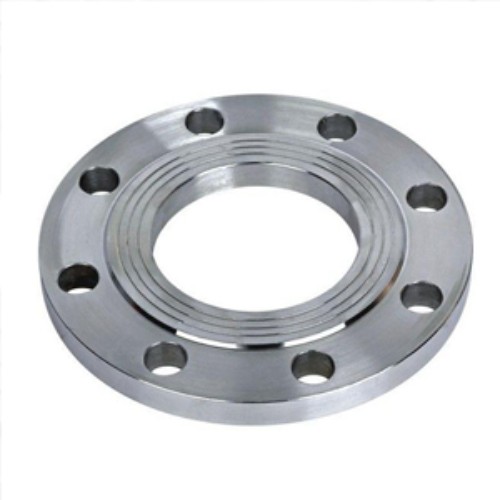
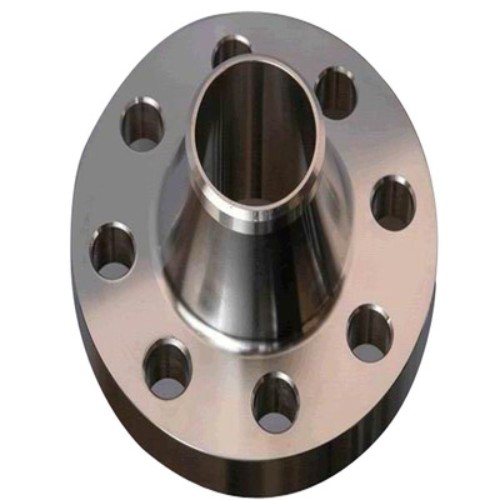
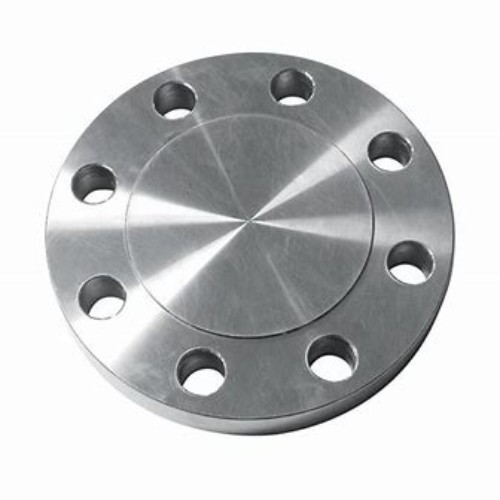
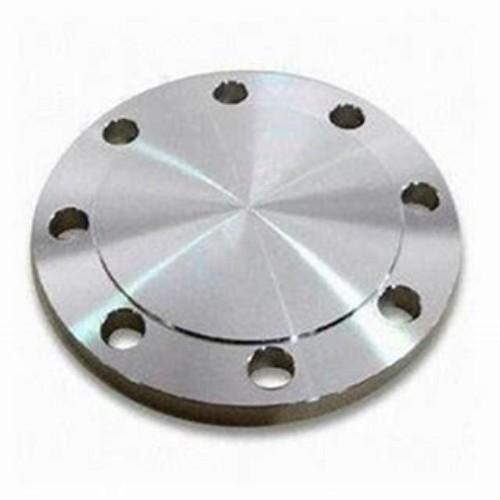
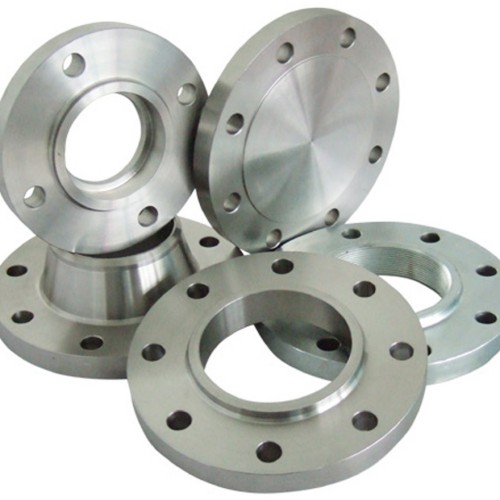
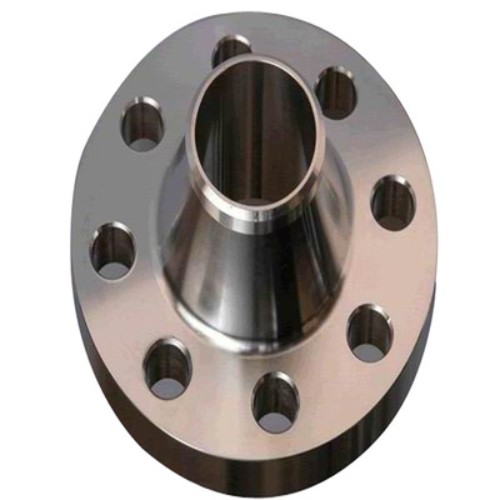
Flanges are important components for connecting pipes, valves, equipment and accessories to achieve safe and reliable connections. Flanges can be divided into various types according to different standards and uses. Common flange types include weld neck flanges, blind flanges, flange-to-flanges, sliding flanges, and threaded flanges. Welded neck flanges are suitable for high pressure and high temperature environments and are connected to pipes by welding to provide a stable connection. Blind flanges are used to close the ends of pipes to facilitate maintenance and inspection. Flange-to-flange is typically used to connect two pipes, while sliding flange allows the flange to slide over the pipe for easy installation and adjustment. Threaded flanges are suitable for low pressure environments and are threaded to pipes. Selecting the appropriate flange type depends on the pressure, temperature, media and installation requirements of the piping system. Proper selection and installation of flanges ensures safe operation and sealed connections in piping systems.
What Are The Types Of Flanges?
The types of flanges commonly used in piping systems include:
1. Weld Neck Flange: This type of flange is designed with a long, tapered hub that provides an ideal connection for high-pressure applications. The neck of the flange is welded to the pipe, offering strength and support at the joint.
2. Slip-On Flange: Slip-on flanges are easy to align and are used in low-pressure applications. They are slipped over the pipe and then welded both inside and outside to provide strength and prevent leakage.
3. Blind Flange: Blind flanges are solid disks used to block off a pipeline or to create a stop. They are commonly used for pressure testing the flow of gas or liquid through a pipeline.
4. Threaded Flange: Threaded flanges are used in low-pressure applications and are connected to the pipe with threads, providing a strong and reliable connection.
5. Lap Joint Flange: Lap joint flanges are used with a stub end or taft, which is welded to the pipe. The flange then slides over the pipe and is free to rotate around the stub end, allowing for easy alignment of bolt holes.
6. Socket Weld Flange: Socket weld flanges are used for high-pressure applications and are connected to the pipe by inserting the pipe into the socket end and then applying fillet weld around the top.
Each type of flange has specific characteristics and is suitable for different applications based on factors such as pressure, temperature, and the nature of the fluid being transported. Proper selection of flange type is crucial to ensure the integrity and safety of the piping system.












































































