


 lietuvių
 Afrikos
 albanų
 amharų
 arabiškas
 armėnų
 Azerbaidžaniečių
 baskų
baskų
 baltarusių
 bengalų
 bosnių
 bulgarų
 katalonų
 Cebuano
 Korsikos
 kroatų
 čekų
čekų
 danų
danų
 olandų
 Anglų
Anglų
 Esperanto
 Estų
Estų
 suomių
 Prancūzų kalba
 fryzų
fryzų
 Galisų
 gruzinų
 vokiečių kalba
 graikų
 gudžaratų
 Haičio kreolų
 hausa
hausa
 havajietis
 hebrajų
 Ne
Ne
 Miao
Miao
 vengrų
 islandų
 igbo
igbo
 Indoneziečių
 airių
airių
 italų
italų
 japonų
 javiečių
 kanada
 kazachų
 khmerų
 Ruandos
 korėjiečių
 kurdų
kurdų
 Kirgizų
 TB
TB
 lotynų kalba
 latvių
 liuksemburgiečių
 Makedonietis
 Malgashi
 malajiečių
 malajalių
 maltiečių
 maorių
 marati
 mongolų
 Mianmaras
 Nepaliečių
 norvegų
 norvegų
 oksitanų
 puštūnų
 persų
persų
 lenkas
 portugalų
 Pandžabų
 rumunų
 rusų
rusų
 samoiečių
 škotų gėlų
 serbų
serbų
 Anglų
Anglų
 Šona
Šona
 Sindų
Sindų
 Sinhala
 slovakų
 slovėnų
 Somalis
 ispanų
 Sundanai
 suahilių
 Švedijos
 tagalogų
 tadžikų
 tamilų
 totorių
 telugų
 tajų
tajų
 turkų
turkų
 turkmėnų
 ukrainiečių
 urdu
urdu
 Uigūras
 uzbekas
 vietnamiečių
 valų
valų
 Pagalba
 jidiš
jidiš
 Joruba
 Zulu
Zulu


Balanced valve, also known as a balancing valve, is a type of valve used in fluid systems to regulate and control the flow of liquids or gases. It is designed to ensure that the flow rates through different branches of a piping system are properly balanced, meaning that the flow is evenly distributed according to the system's design requirements. Balanced valves are commonly used in hydronic heating and cooling systems, as well as in HVAC systems, to maintain optimal flow conditions and to achieve efficient and uniform distribution of the heating or cooling medium. These valves are available in various types, including globe valves, ball valves, and specialized balancing valves, each designed to provide precise flow control and balancing capabilities. The classification of balanced valves is based on factors such as the type of fluid being controlled, the pressure and temperature requirements, and the specific application within the fluid system. Proper selection and installation of balanced valves are essential for ensuring the overall performance, energy efficiency, and reliability of the fluid system.

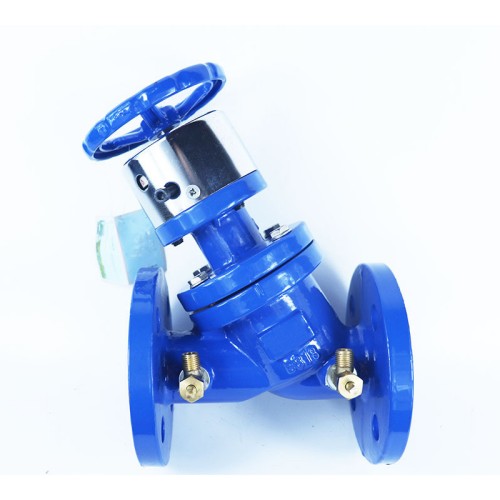

How To Balance A Balancing Valve?
Balancing a balancing valve involves adjusting the valve to ensure that the flow of fluid through the system is properly distributed. Here are the general steps for balancing a balancing valve:
1. Initial Setting: Begin by setting the balancing valve to its initial position, typically fully open or fully closed, depending on the specific valve design and the system requirements.
2. Measure Flow: Use flow measurement devices such as flow meters to determine the actual flow rates through different branches of the system. This step helps identify any imbalances in the flow distribution.
3. Adjust Valve Position: Based on the flow measurements, adjust the position of the balancing valve to regulate the flow through each branch of the system. This may involve partially opening or closing the valve to achieve the desired flow rates.
4. Verify and Fine-Tune: After adjusting the valve position, verify the flow rates again to ensure that the desired balance is achieved. Fine-tune the valve position as needed to achieve the specified flow distribution.
5. Repeat if Necessary: In complex systems or systems with changing operating conditions, the balancing process may need to be repeated periodically to maintain optimal flow balance.
Balancing a balancing valve is essential for ensuring that the flow of fluid through the system is evenly distributed, which helps optimize system performance, energy efficiency, and equipment longevity. Proper balancing also contributes to maintaining consistent temperatures and pressures throughout the system.












































































