


 Deutsch
 afrikanisch
 albanisch
 Amharisch
 Arabisch
 Armenisch
 Aserbaidschanisch
 baskisch
 Belarussisch
 Bengali
 bosnisch
 bulgarisch
 katalanisch
 Cebuano
 Korsisch
 kroatisch
 Tschechisch
 dänisch
 Niederländisch
 Englisch
 Esperanto
 estnisch
 finnisch
 Französisch
 Friesisch
 galizisch
 georgisch
 griechisch
 Gujarati
 Haitianisches Kreol
 Hausa
Hausa
 hawaiisch
 hebräisch
 Nein
Nein
 Miao
Miao
 ungarisch
 isländisch
 igbo
igbo
 Indonesisch
 irisch
 Italienisch
 japanisch
 Javanisch
 Kannada
 kasachisch
 Khmer
Khmer
 Ruandisch
 Koreanisch
 kurdisch
 Kirgisisch
 TB
TB
 Latein
 lettisch
 litauisch
 Luxemburgisch
 mazedonisch
 Malgashi
 malaiisch
 Malayalam
 maltesisch
 Maori
Maori
 Marathi
 mongolisch
 Myanmar
 Nepali
 norwegisch
 norwegisch
 Okzitanisch
 Paschtu
 persisch
 Polieren
 Portugiesisch
 Punjabi
 rumänisch
 Russisch
 Samoaner
 schottisch Gälisch
 serbisch
 Englisch
 Shona
Shona
 Sindhi
 Singhalesisch
 slowakisch
 Slowenisch
 somali
 Spanisch
 Sundanesisch
 Suaheli
 Schwedisch
 Tagalog
 Tadschikisch
 Tamilisch
 Tatarisch
 Telugu
 Thailändisch
 Türkisch
 Turkmenisch
 ukrainisch
 Urdu
Urdu
 Uigur
Uigur
 Usbekisch
 Vietnamesisch
 Walisisch
 Helfen
 Jiddisch
 Yoruba
 Zulu
Zulu


Balanced valve, also known as a balancing valve, is a type of valve used in fluid systems to regulate and control the flow of liquids or gases. It is designed to ensure that the flow rates through different branches of a piping system are properly balanced, meaning that the flow is evenly distributed according to the system's design requirements. Balanced valves are commonly used in hydronic heating and cooling systems, as well as in HVAC systems, to maintain optimal flow conditions and to achieve efficient and uniform distribution of the heating or cooling medium. These valves are available in various types, including globe valves, ball valves, and specialized balancing valves, each designed to provide precise flow control and balancing capabilities. The classification of balanced valves is based on factors such as the type of fluid being controlled, the pressure and temperature requirements, and the specific application within the fluid system. Proper selection and installation of balanced valves are essential for ensuring the overall performance, energy efficiency, and reliability of the fluid system.

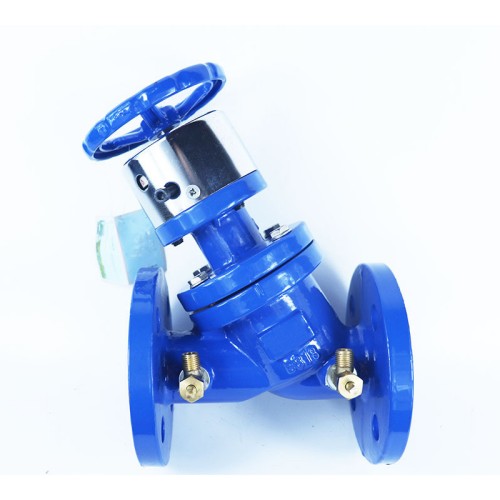

How To Balance A Balancing Valve?
Balancing a balancing valve involves adjusting the valve to ensure that the flow of fluid through the system is properly distributed. Here are the general steps for balancing a balancing valve:
1. Initial Setting: Begin by setting the balancing valve to its initial position, typically fully open or fully closed, depending on the specific valve design and the system requirements.
2. Measure Flow: Use flow measurement devices such as flow meters to determine the actual flow rates through different branches of the system. This step helps identify any imbalances in the flow distribution.
3. Adjust Valve Position: Based on the flow measurements, adjust the position of the balancing valve to regulate the flow through each branch of the system. This may involve partially opening or closing the valve to achieve the desired flow rates.
4. Verify and Fine-Tune: After adjusting the valve position, verify the flow rates again to ensure that the desired balance is achieved. Fine-tune the valve position as needed to achieve the specified flow distribution.
5. Repeat if Necessary: In complex systems or systems with changing operating conditions, the balancing process may need to be repeated periodically to maintain optimal flow balance.
Balancing a balancing valve is essential for ensuring that the flow of fluid through the system is evenly distributed, which helps optimize system performance, energy efficiency, and equipment longevity. Proper balancing also contributes to maintaining consistent temperatures and pressures throughout the system.












































































