


 Español
 africano
 albanés
 amárico
 Arábica
 armenio
 azerbaiyano
 vasco
vasco
 bielorruso
 bengalí
 bosnio
 búlgaro
 catalán
 cebuano
 corso
corso
 croata
 checo
checo
 danés
danés
 Holandés
 Inglés
 esperanto
 estonio
 finlandés
 Francés
 frisio
 gallego
 georgiano
 Alemán
 Griego
 gujarati
 criollo haitiano
 hausa
hausa
 hawaiano
 hebreo
 No
No
 Miao
Miao
 húngaro
 islandés
 igbo
igbo
 indonesio
 irlandesa
 italiano
 japonés
 javanés
 canarés
 kazajo
 jemer
jemer
 ruandés
 coreano
 kurdo
kurdo
 Kirguistán
 tuberculosis
 latín
latín
 letón
letón
 lituano
 luxemburgués
 macedónio
 Malgashi
 malayo
 Malayalam
 maltés
 maorí
maorí
 marathi
 mongol
 Birmania
 nepalí
 noruego
 noruego
 occitano
 pastún
 persa
persa
 Polaco
 portugués
 punjabi
 rumano
 ruso
ruso
 samoano
 gaélico escocés
 serbio
 Inglés
 Shona
Shona
 Sindhi
 cingalés
 eslovaco
 esloveno
 somalí
 sundanés
 swahili
 sueco
sueco
 tagalo
 tayiko
 Tamil
Tamil
 tártaro
 telugu
 tailandés
 turco
turco
 turcomano
 ucranio
 urdu
urdu
 uigur
uigur
 uzbeko
 vietnamita
 galés
galés
 Ayuda
Ayuda
 yídish
 Yoruba
 zulú
zulú


Balanced valve, also known as a balancing valve, is a type of valve used in fluid systems to regulate and control the flow of liquids or gases. It is designed to ensure that the flow rates through different branches of a piping system are properly balanced, meaning that the flow is evenly distributed according to the system's design requirements. Balanced valves are commonly used in hydronic heating and cooling systems, as well as in HVAC systems, to maintain optimal flow conditions and to achieve efficient and uniform distribution of the heating or cooling medium. These valves are available in various types, including globe valves, ball valves, and specialized balancing valves, each designed to provide precise flow control and balancing capabilities. The classification of balanced valves is based on factors such as the type of fluid being controlled, the pressure and temperature requirements, and the specific application within the fluid system. Proper selection and installation of balanced valves are essential for ensuring the overall performance, energy efficiency, and reliability of the fluid system.

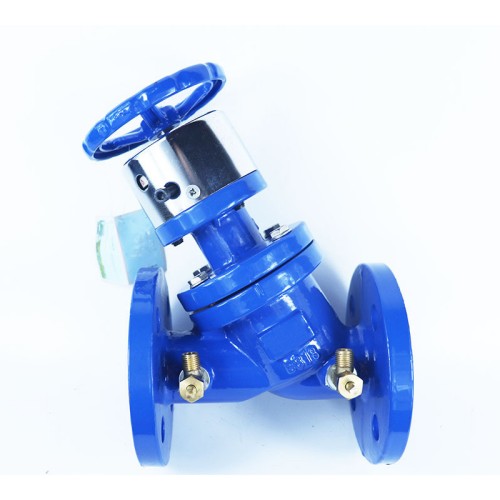

How To Balance A Balancing Valve?
Balancing a balancing valve involves adjusting the valve to ensure that the flow of fluid through the system is properly distributed. Here are the general steps for balancing a balancing valve:
1. Initial Setting: Begin by setting the balancing valve to its initial position, typically fully open or fully closed, depending on the specific valve design and the system requirements.
2. Measure Flow: Use flow measurement devices such as flow meters to determine the actual flow rates through different branches of the system. This step helps identify any imbalances in the flow distribution.
3. Adjust Valve Position: Based on the flow measurements, adjust the position of the balancing valve to regulate the flow through each branch of the system. This may involve partially opening or closing the valve to achieve the desired flow rates.
4. Verify and Fine-Tune: After adjusting the valve position, verify the flow rates again to ensure that the desired balance is achieved. Fine-tune the valve position as needed to achieve the specified flow distribution.
5. Repeat if Necessary: In complex systems or systems with changing operating conditions, the balancing process may need to be repeated periodically to maintain optimal flow balance.
Balancing a balancing valve is essential for ensuring that the flow of fluid through the system is evenly distributed, which helps optimize system performance, energy efficiency, and equipment longevity. Proper balancing also contributes to maintaining consistent temperatures and pressures throughout the system.












































































