


 Nederlands
 Afrikaanse
 Albanees
 Amhaars
 Arabisch
 Armeens
 Azerbeidzjaans
 baskisch
 Wit-Russisch
 Bengaals
 Bosnisch
 Bulgaars
 Catalaans
 Cebuano
 Corsicaans
 Kroatisch
 Tsjechisch
 Deens
Deens
 Engels
 Esperanto
 Ests
Ests
 Fins
Fins
 Frans
Frans
 van Friesland afkomstige
 Galicisch
 Georgisch
 Duits
Duits
 Grieks
 Gujarati
 Haïtiaans Creools
 huis
huis
 Hawaiiaans
 Hebreeuws
 Nee
Nee
 Miao
Miao
 Hongaars
 IJslands
 igbo
igbo
 Indonesisch
 Iers
Iers
 Italiaans
 Japans
 Javaans
 Kannada
 Kazachs
 Khmer
Khmer
 Rwandese
 Koreaans
 Koerdisch
 Kirgizisch
 TB
TB
 Latijns
 Lets
Lets
 Litouws
 Luxemburgs
 Macedonisch
 Malgashi
 Maleis
 Malayalam
 Maltees
 Maori
Maori
 Marathi
 Mongools
 Myanmar
 Nepalees
 Noors
Noors
 Noors
Noors
 Occitaans
 Pasjto
 Perzisch
 Pools
Pools
 Portugees
 Punjabi
 Roemeense
 Russisch
 Samoaans
 Schots-Gaelisch
 Servisch
 Engels
 Shona
Shona
 Sindhi
 Singalees
 Slowaaks
 Sloveens
 Somalisch
 Spaans
 Soendanees
 Swahili
 Zweeds
 Tagalog
 Tadzjiekse
 Tamil
Tamil
 Tataars
 Telugu
 Thais
Thais
 Turks
Turks
 Turkmeens
 Oekraïens
 Urdu
Urdu
 Oeigoerse
 Oezbeeks
 Vietnamees
 Welsh
Welsh
 Hulp
Hulp
 Jiddisch
 Joruba
 Zoeloe


Balanced valve, also known as a balancing valve, is a type of valve used in fluid systems to regulate and control the flow of liquids or gases. It is designed to ensure that the flow rates through different branches of a piping system are properly balanced, meaning that the flow is evenly distributed according to the system's design requirements. Balanced valves are commonly used in hydronic heating and cooling systems, as well as in HVAC systems, to maintain optimal flow conditions and to achieve efficient and uniform distribution of the heating or cooling medium. These valves are available in various types, including globe valves, ball valves, and specialized balancing valves, each designed to provide precise flow control and balancing capabilities. The classification of balanced valves is based on factors such as the type of fluid being controlled, the pressure and temperature requirements, and the specific application within the fluid system. Proper selection and installation of balanced valves are essential for ensuring the overall performance, energy efficiency, and reliability of the fluid system.

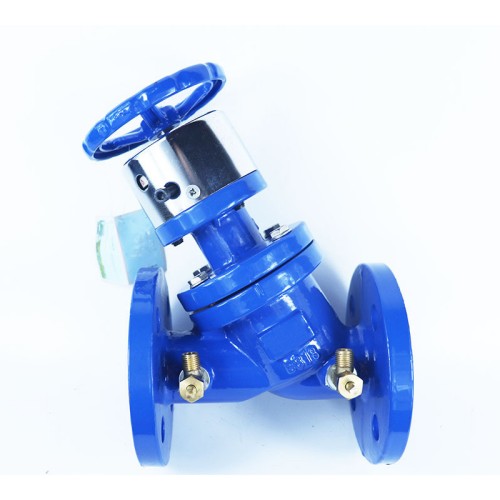

How To Balance A Balancing Valve?
Balancing a balancing valve involves adjusting the valve to ensure that the flow of fluid through the system is properly distributed. Here are the general steps for balancing a balancing valve:
1. Initial Setting: Begin by setting the balancing valve to its initial position, typically fully open or fully closed, depending on the specific valve design and the system requirements.
2. Measure Flow: Use flow measurement devices such as flow meters to determine the actual flow rates through different branches of the system. This step helps identify any imbalances in the flow distribution.
3. Adjust Valve Position: Based on the flow measurements, adjust the position of the balancing valve to regulate the flow through each branch of the system. This may involve partially opening or closing the valve to achieve the desired flow rates.
4. Verify and Fine-Tune: After adjusting the valve position, verify the flow rates again to ensure that the desired balance is achieved. Fine-tune the valve position as needed to achieve the specified flow distribution.
5. Repeat if Necessary: In complex systems or systems with changing operating conditions, the balancing process may need to be repeated periodically to maintain optimal flow balance.
Balancing a balancing valve is essential for ensuring that the flow of fluid through the system is evenly distributed, which helps optimize system performance, energy efficiency, and equipment longevity. Proper balancing also contributes to maintaining consistent temperatures and pressures throughout the system.












































































