


 ئۇيغۇر
 African
 ئالبانىيە
 Amharic
 ئەرەبچە
 ئەرمىنىيە
 ئەزەربەيجان
 Basque
 بېلورۇسىيە
 Bengali
 Bosnian
 بۇلغارىيە
 Catalan
 Cebuano
 كورسىكان
 كىرودىيە
 چېخ
چېخ
 Danish
 گوللاندىيە
 ئىنگىلىزچە
 Esperanto
 ئېستونىيە
 فىنلاندىيە
 فىرانسۇزچە
 Frisian
 Galician
 گرۇزىيە
 German
 گرېتسىيە
 Gujarati
 ھايتى كرېئول
 hausa
hausa
 hawaiian
 ئىبرانىي تىلى
 ياق
ياق
 Miao
Miao
 ۋېنگرىيە
 ئىسلاندىيە
 igbo
igbo
 ھىندونېزىيە
 irish
irish
 Italian
 ياپون
ياپون
 Javanese
 Kannada
 kazakh
 Khmer
Khmer
 رىۋاندا
 كورېيە
 كۇرد
كۇرد
 قىرغىزىستان
 TB
TB
 لاتىنچە
 Latvian
 لىتۋانىيە
 لىيۇكسېمبۇرگ
 ماكېدونىيە
 Malgashi
 مالايسىيا
 Malayalam
 Maltese
 Maori
Maori
 Marathi
 موڭغۇل
 بېرما
بېرما
 نېپال
نېپال
 نورۋېگچە
 نورۋېگچە
 Occitan
 پۇشتۇ
پۇشتۇ
 پارسچە
 پولشا
پولشا
 پورتۇگال تىلى
 Punjabi
 Romanian
 رۇسچە
رۇسچە
 Samoan
 شوتلاندىيە گال تىلى
 سېربىيە
 ئىنگىلىزچە
 Shona
Shona
 سىندى
سىندى
 Sinhala
 سلوۋاكىيە
 سىلوۋېنىيە
 سومالى
 ئىسپانچە
 Sundanese
 Swahili
 شىۋىتسىيە
 Tagalog
 تاجىك
تاجىك
 تامىل
تامىل
 تاتار
تاتار
 Telugu
 تايلاند
 تۈرك
تۈرك
 تۈركمەنلەر
 ئۇكرائىنا
 ئوردۇچە
 ئۆزبېك
 ۋېيتنام
 Welsh
Welsh
 ياردەم
 Yiddish
 يورۇبا
 Zulu
Zulu


Balanced valve, also known as a balancing valve, is a type of valve used in fluid systems to regulate and control the flow of liquids or gases. It is designed to ensure that the flow rates through different branches of a piping system are properly balanced, meaning that the flow is evenly distributed according to the system's design requirements. Balanced valves are commonly used in hydronic heating and cooling systems, as well as in HVAC systems, to maintain optimal flow conditions and to achieve efficient and uniform distribution of the heating or cooling medium. These valves are available in various types, including globe valves, ball valves, and specialized balancing valves, each designed to provide precise flow control and balancing capabilities. The classification of balanced valves is based on factors such as the type of fluid being controlled, the pressure and temperature requirements, and the specific application within the fluid system. Proper selection and installation of balanced valves are essential for ensuring the overall performance, energy efficiency, and reliability of the fluid system.

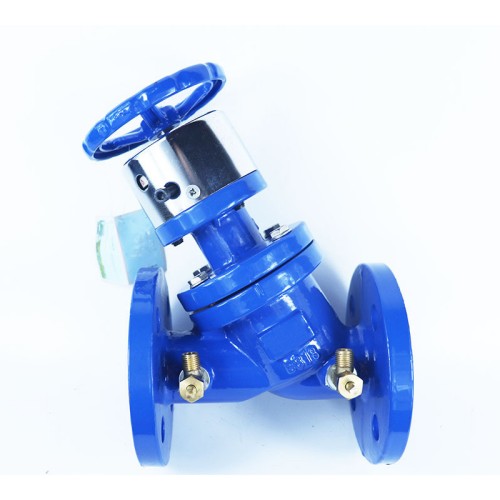

How To Balance A Balancing Valve?
Balancing a balancing valve involves adjusting the valve to ensure that the flow of fluid through the system is properly distributed. Here are the general steps for balancing a balancing valve:
1. Initial Setting: Begin by setting the balancing valve to its initial position, typically fully open or fully closed, depending on the specific valve design and the system requirements.
2. Measure Flow: Use flow measurement devices such as flow meters to determine the actual flow rates through different branches of the system. This step helps identify any imbalances in the flow distribution.
3. Adjust Valve Position: Based on the flow measurements, adjust the position of the balancing valve to regulate the flow through each branch of the system. This may involve partially opening or closing the valve to achieve the desired flow rates.
4. Verify and Fine-Tune: After adjusting the valve position, verify the flow rates again to ensure that the desired balance is achieved. Fine-tune the valve position as needed to achieve the specified flow distribution.
5. Repeat if Necessary: In complex systems or systems with changing operating conditions, the balancing process may need to be repeated periodically to maintain optimal flow balance.
Balancing a balancing valve is essential for ensuring that the flow of fluid through the system is evenly distributed, which helps optimize system performance, energy efficiency, and equipment longevity. Proper balancing also contributes to maintaining consistent temperatures and pressures throughout the system.












































































