


 日本語
日本語
 アフリカ人
アフリカ人
 アルバニア人
 アムハラ語
アムハラ語
 アラビア語
アラビア語
 アルメニア語
 アゼルバイジャン語
 バスク語
バスク語
 ベラルーシ語
 ベンガル語
ベンガル語
 ボスニア語
ボスニア語
 ブルガリア語
 カタルーニャ語
 セブアノ語
セブアノ語
 コルシカ島
コルシカ島
 クロアチア語
 チェコ語
チェコ語
 デンマーク語
 オランダの
オランダの
 英語
英語
 エスペラント
 エストニア語
 フィンランド語
 フランス語
フランス語
 フリジア語
フリジア語
 ガリシア語
ガリシア語
 ジョージア語
 ドイツ人
ドイツ人
 ギリシャ語
ギリシャ語
 グジャラート語
 ハイチ クレオール
 ハウサ語
ハウサ語
 ハワイアン
ハワイアン
 ヘブライ語
ヘブライ語
 いいえ
いいえ
 ミャオ族
ミャオ族
 ハンガリー語
 アイスランド語
 イボ語
イボ語
 インドネシア語
 アイルランド人
 イタリアの
イタリアの
 ジャワ語
ジャワ語
 カンナダ語
カンナダ語
 カザフ語
カザフ語
 クメール語
クメール語
 ルワンダ語
ルワンダ語
 韓国語
韓国語
 クルド
クルド
 キルギス
キルギス
 結核
結核
 ラテン
ラテン
 ラトビア語
ラトビア語
 リトアニア語
 ルクセンブルク語
 マケドニアの
 マルガシ
マルガシ
 マレー語
マレー語
 マラヤーラム語
 マルタ語
マルタ語
 マオリ語
マオリ語
 マラーティー語
 モンゴル語
モンゴル語
 ミャンマー
ミャンマー
 ネパール語
ネパール語
 ノルウェー語
 ノルウェー語
 オック語
オック語
 パシュトゥー語
 ペルシア語
ペルシア語
 研磨
研磨
 ポルトガル語
 パンジャブ語
 ルーマニア語
 ロシア
ロシア
 サモア語
サモア語
 スコットランド・ゲール語
 セルビア語
セルビア語
 英語
英語
 ショナ
ショナ
 シンド語
シンド語
 シンハラ語
シンハラ語
 スロバキア語
 スロベニア語
 ソマリ語
ソマリ語
 スペイン語
スペイン語
 スンダ人
スンダ人
 スワヒリ語
スワヒリ語
 スウェーデンの
 タガログ語
タガログ語
 タジク語
タジク語
 タミル語
タミル語
 タタール語
タタール語
 テルグ語
テルグ語
 タイ語
タイ語
 トルコ語
トルコ語
 トルクメン語
 ウクライナ語
 ウルドゥー語
 ウイグル語
ウイグル語
 ウズベク語
ウズベク語
 ベトナム語
ベトナム語
 ウェールズ語
 ヘルプ
ヘルプ
 イディッシュ語
 ヨルバ語
ヨルバ語
 ズールー語
ズールー語


Balanced valve, also known as a balancing valve, is a type of valve used in fluid systems to regulate and control the flow of liquids or gases. It is designed to ensure that the flow rates through different branches of a piping system are properly balanced, meaning that the flow is evenly distributed according to the system's design requirements. Balanced valves are commonly used in hydronic heating and cooling systems, as well as in HVAC systems, to maintain optimal flow conditions and to achieve efficient and uniform distribution of the heating or cooling medium. These valves are available in various types, including globe valves, ball valves, and specialized balancing valves, each designed to provide precise flow control and balancing capabilities. The classification of balanced valves is based on factors such as the type of fluid being controlled, the pressure and temperature requirements, and the specific application within the fluid system. Proper selection and installation of balanced valves are essential for ensuring the overall performance, energy efficiency, and reliability of the fluid system.

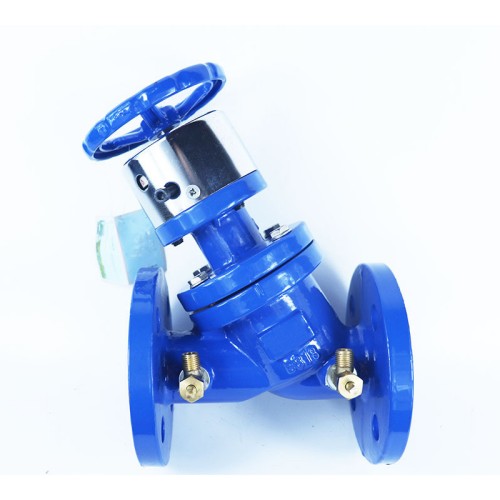

How To Balance A Balancing Valve?
Balancing a balancing valve involves adjusting the valve to ensure that the flow of fluid through the system is properly distributed. Here are the general steps for balancing a balancing valve:
1. Initial Setting: Begin by setting the balancing valve to its initial position, typically fully open or fully closed, depending on the specific valve design and the system requirements.
2. Measure Flow: Use flow measurement devices such as flow meters to determine the actual flow rates through different branches of the system. This step helps identify any imbalances in the flow distribution.
3. Adjust Valve Position: Based on the flow measurements, adjust the position of the balancing valve to regulate the flow through each branch of the system. This may involve partially opening or closing the valve to achieve the desired flow rates.
4. Verify and Fine-Tune: After adjusting the valve position, verify the flow rates again to ensure that the desired balance is achieved. Fine-tune the valve position as needed to achieve the specified flow distribution.
5. Repeat if Necessary: In complex systems or systems with changing operating conditions, the balancing process may need to be repeated periodically to maintain optimal flow balance.
Balancing a balancing valve is essential for ensuring that the flow of fluid through the system is evenly distributed, which helps optimize system performance, energy efficiency, and equipment longevity. Proper balancing also contributes to maintaining consistent temperatures and pressures throughout the system.












































































