


 日本語
日本語
 アフリカ人
アフリカ人
 アルバニア人
 アムハラ語
アムハラ語
 アラビア語
アラビア語
 アルメニア語
 アゼルバイジャン語
 バスク語
バスク語
 ベラルーシ語
 ベンガル語
ベンガル語
 ボスニア語
ボスニア語
 ブルガリア語
 カタルーニャ語
 セブアノ語
セブアノ語
 コルシカ島
コルシカ島
 クロアチア語
 チェコ語
チェコ語
 デンマーク語
 オランダの
オランダの
 英語
英語
 エスペラント
 エストニア語
 フィンランド語
 フランス語
フランス語
 フリジア語
フリジア語
 ガリシア語
ガリシア語
 ジョージア語
 ドイツ人
ドイツ人
 ギリシャ語
ギリシャ語
 グジャラート語
 ハイチ クレオール
 ハウサ語
ハウサ語
 ハワイアン
ハワイアン
 ヘブライ語
ヘブライ語
 いいえ
いいえ
 ミャオ族
ミャオ族
 ハンガリー語
 アイスランド語
 イボ語
イボ語
 インドネシア語
 アイルランド人
 イタリアの
イタリアの
 ジャワ語
ジャワ語
 カンナダ語
カンナダ語
 カザフ語
カザフ語
 クメール語
クメール語
 ルワンダ語
ルワンダ語
 韓国語
韓国語
 クルド
クルド
 キルギス
キルギス
 結核
結核
 ラテン
ラテン
 ラトビア語
ラトビア語
 リトアニア語
 ルクセンブルク語
 マケドニアの
 マルガシ
マルガシ
 マレー語
マレー語
 マラヤーラム語
 マルタ語
マルタ語
 マオリ語
マオリ語
 マラーティー語
 モンゴル語
モンゴル語
 ミャンマー
ミャンマー
 ネパール語
ネパール語
 ノルウェー語
 ノルウェー語
 オック語
オック語
 パシュトゥー語
 ペルシア語
ペルシア語
 研磨
研磨
 ポルトガル語
 パンジャブ語
 ルーマニア語
 ロシア
ロシア
 サモア語
サモア語
 スコットランド・ゲール語
 セルビア語
セルビア語
 英語
英語
 ショナ
ショナ
 シンド語
シンド語
 シンハラ語
シンハラ語
 スロバキア語
 スロベニア語
 ソマリ語
ソマリ語
 スペイン語
スペイン語
 スンダ人
スンダ人
 スワヒリ語
スワヒリ語
 スウェーデンの
 タガログ語
タガログ語
 タジク語
タジク語
 タミル語
タミル語
 タタール語
タタール語
 テルグ語
テルグ語
 タイ語
タイ語
 トルコ語
トルコ語
 トルクメン語
 ウクライナ語
 ウルドゥー語
 ウイグル語
ウイグル語
 ウズベク語
ウズベク語
 ベトナム語
ベトナム語
 ウェールズ語
 ヘルプ
ヘルプ
 イディッシュ語
 ヨルバ語
ヨルバ語
 ズールー語
ズールー語


Control valve is a critical component in fluid systems that is used to regulate the flow, pressure, temperature, or level of a fluid within a process. It achieves this by varying the size of the flow passage as directed by a signal from a controller. Control valves are essential for maintaining precise control over the process conditions, ensuring that the system operates within specified parameters. They are widely used in industries such as oil and gas, chemical processing, power generation, and water treatment, where accurate control of fluid flow is crucial for operational efficiency and safety. Control valves come in various types, including globe valves, butterfly valves, ball valves, and diaphragm valves, each designed for specific applications and control requirements. The selection of a control valve depends on factors such as the type of fluid, flow rates, pressure and temperature conditions, and the desired level of control precision. Proper installation, calibration, and maintenance of control valves are essential to ensure their reliable and accurate performance within the fluid system.
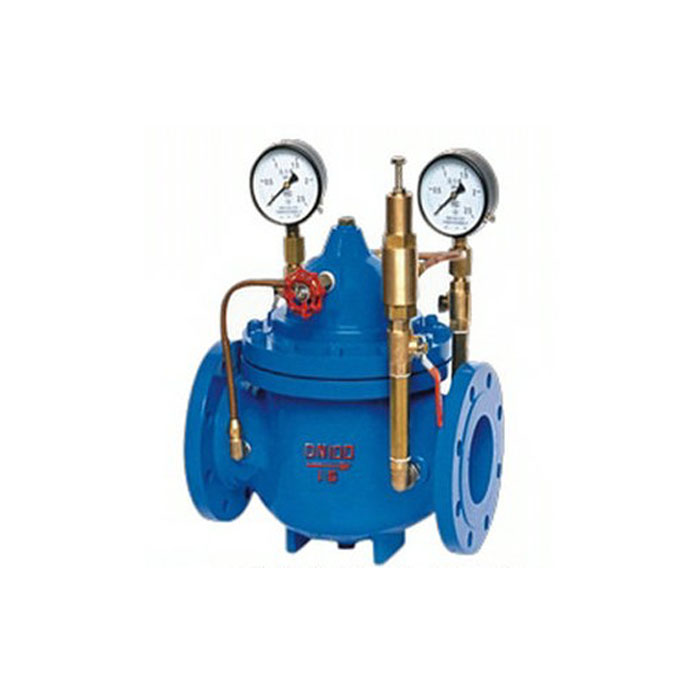
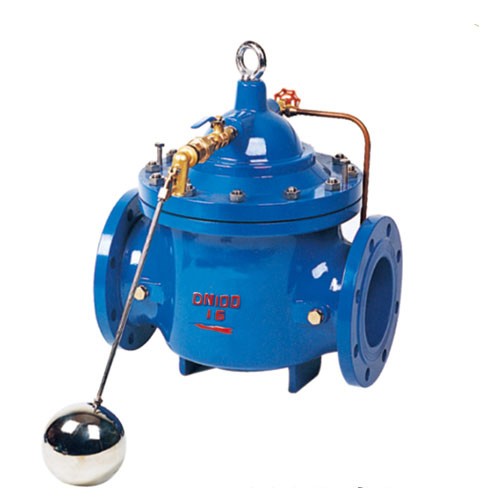
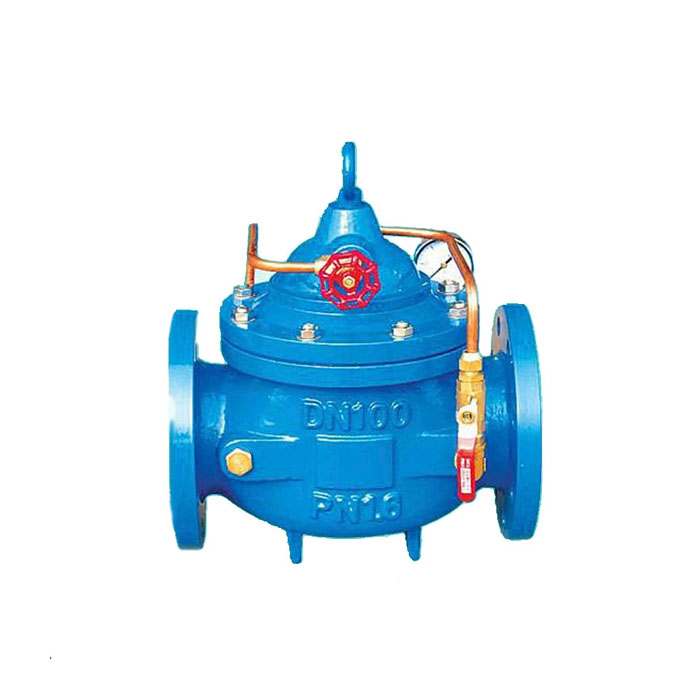
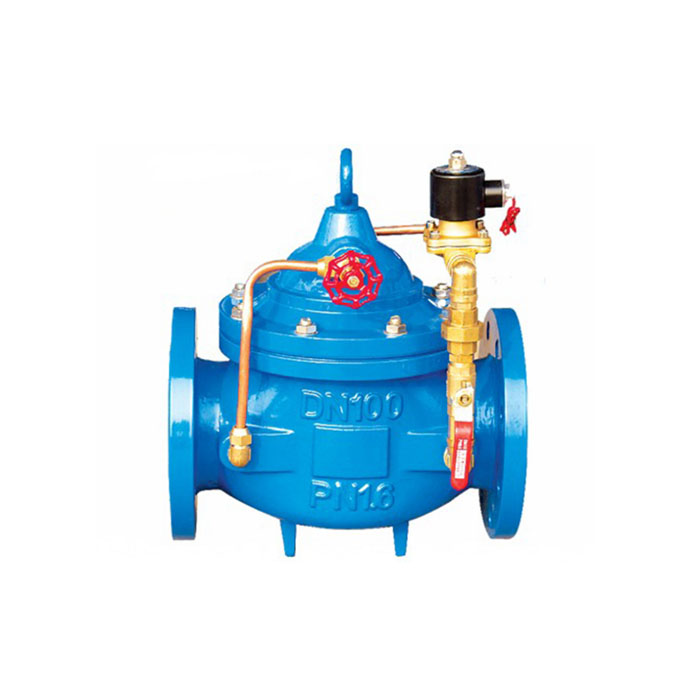
Why Use Control Valves?
Control valves are used to regulate the flow, pressure, temperature, or level of a fluid within a process. They are essential for maintaining precise control over the process conditions, ensuring that the system operates within specified parameters. Control valves are widely used in various industries such as oil and gas, chemical processing, power generation, and water treatment, where accurate control of fluid flow is crucial for operational efficiency and safety. By using control valves, operators can adjust the flow rates and other process parameters to meet the changing demands of the system, optimize energy usage, and maintain product quality. Additionally, control valves play a critical role in ensuring the safety and reliability of the overall process by providing the means to regulate and manage the flow of fluids in a controlled and efficient manner. Overall, the use of control valves is essential for achieving precise and effective control over fluid processes, contributing to improved system performance, energy efficiency, and operational safety.












































































