


 ქართული
 აფრიკელი
 ალბანური
 ამჰარული
 არაბული
 სომხური
 აზერბაიჯანული
 ბასკური
 ბელორუსული
 ბენგალური
 ბოსნიელი
 ბულგარული
 კატალონიური
 სებუანო
 კორსიკული
 ხორვატული
 ჩეხური
 დანიური
 ჰოლანდიური
 ინგლისური
 ესპერანტო
 ესტონური
 ფინური
 ფრანგული
 ფრიზიული
 გალისიური
 გერმანული
 ბერძენი
 გუჯარათი
 ჰაიტური კრეოლური
 ჰაუსა
ჰაუსა
 ჰავაიელი
 ებრაული
 არა
არა
 მიაო
მიაო
 უნგრული
 ისლანდიური
 იგბო
იგბო
 ინდონეზიური
 ირლანდიური
 იტალიური
 იაპონელი
 იავური
 კანადა
 ყაზახური
 ქმერული
 რუანდა
 კორეული
 ქურთული
 ყირგიზული
 ტუბერკულოზი
 ლათინური
 ლატვიური
 ლიტვური
 ლუქსემბურგული
 მაკედონელი
 მალღაში
 მალაიზიური
 მალაიალამური
 მალტური
 მაორი
მაორი
 მარათჰი
 მონღოლური
 მიანმარი
 ნეპალური
 ნორვეგიული
 ნორვეგიული
 ოქსიტანური
 პუშტუ
პუშტუ
 სპარსული
 პოლონური
 პორტუგალიური
 პენჯაბური
 რუმინული
 რუსული
 სამოა
სამოა
 შოტლანდიური გალური
 სერბული
 ინგლისური
 შონა
შონა
 სინდი
სინდი
 სინჰალური
 სლოვაკური
 სლოვენური
 სომალიური
 ესპანური
 სუნდური
 სუაჰილი
 შვედური
 ტაგალო
 ტაჯიკური
 ტამილური
 თათრული
 ტელუგუ
 ტაილანდური
 თურქული
 თურქმენი
 უკრაინული
 ურდუ
ურდუ
 უიღური
 უზბეკური
 ვიეტნამური
 უელსური
 დახმარება
 იდიში
იდიში
 იორუბა
 ზულუ
ზულუ


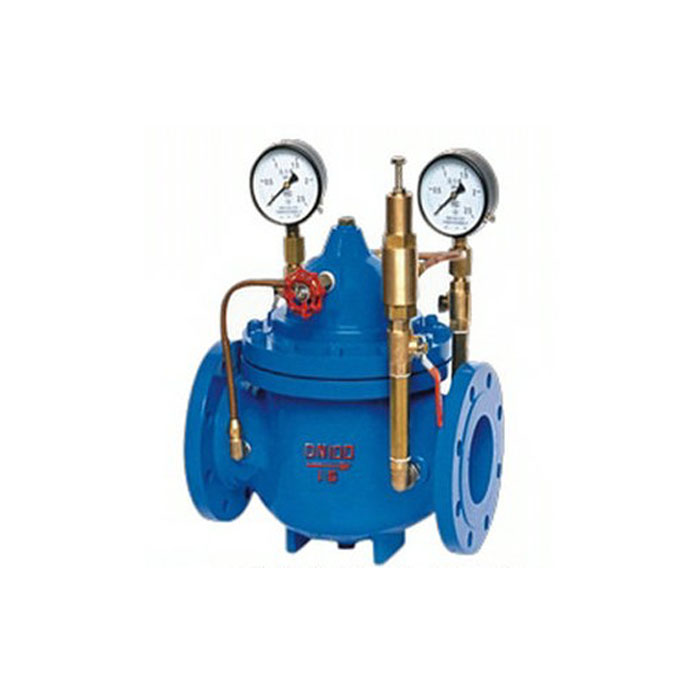
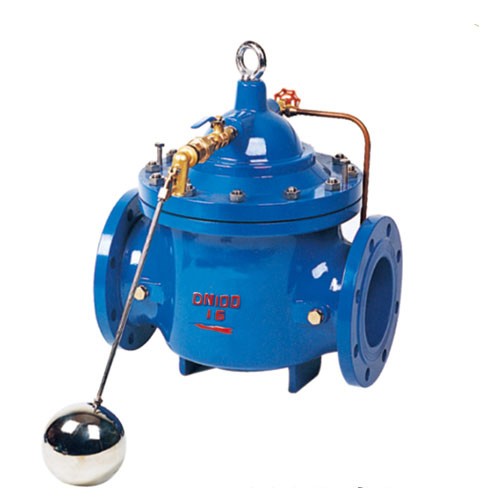
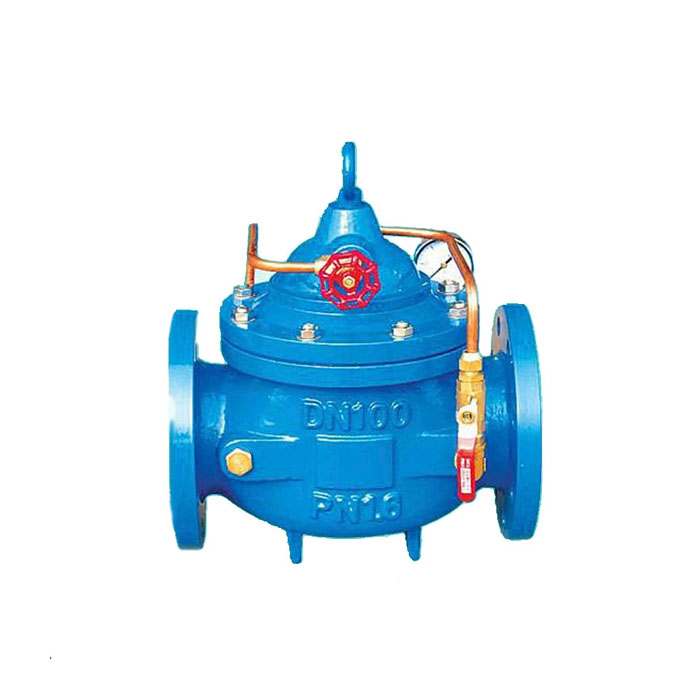
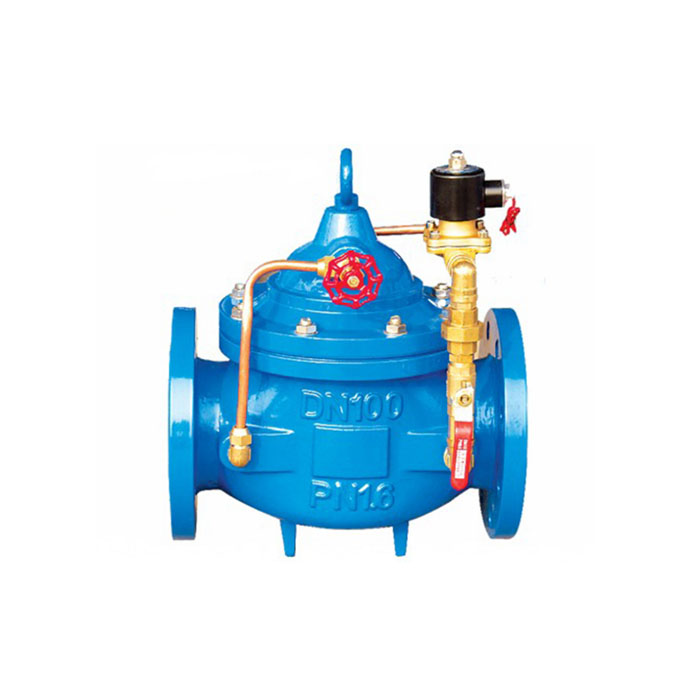
Control valve is a critical component in fluid systems that is used to regulate the flow, pressure, temperature, or level of a fluid within a process. It achieves this by varying the size of the flow passage as directed by a signal from a controller. Control valves are essential for maintaining precise control over the process conditions, ensuring that the system operates within specified parameters. They are widely used in industries such as oil and gas, chemical processing, power generation, and water treatment, where accurate control of fluid flow is crucial for operational efficiency and safety. Control valves come in various types, including globe valves, butterfly valves, ball valves, and diaphragm valves, each designed for specific applications and control requirements. The selection of a control valve depends on factors such as the type of fluid, flow rates, pressure and temperature conditions, and the desired level of control precision. Proper installation, calibration, and maintenance of control valves are essential to ensure their reliable and accurate performance within the fluid system.
Why Use Control Valves?
Control valves are used to regulate the flow, pressure, temperature, or level of a fluid within a process. They are essential for maintaining precise control over the process conditions, ensuring that the system operates within specified parameters. Control valves are widely used in various industries such as oil and gas, chemical processing, power generation, and water treatment, where accurate control of fluid flow is crucial for operational efficiency and safety. By using control valves, operators can adjust the flow rates and other process parameters to meet the changing demands of the system, optimize energy usage, and maintain product quality. Additionally, control valves play a critical role in ensuring the safety and reliability of the overall process by providing the means to regulate and manage the flow of fluids in a controlled and efficient manner. Overall, the use of control valves is essential for achieving precise and effective control over fluid processes, contributing to improved system performance, energy efficiency, and operational safety.












































































