


 Kurdî
Kurdî
 efrîkanî
 Albanî
 Amharîkî
 Erebî
Erebî
 Ermenî
 Azerî
Azerî
 Baskî
Baskî
 Belarûsî
 Bengalî
 Bosnayî
 Bûlgarî
 Katalanî
 Cebuano
 Korsîkayî
 Xirwatî
 Çekî
Çekî
 Danîmarkî
 Holandî
 Îngilîzî
 Esperanto
 Estonî
 Fînlandî
 Fransî
 frîzî
frîzî
 Galîsyayî
 Gurcî
Gurcî
 Almanî
 Yewnanî
 Gujaratî
 Kreoliya Haîtiyî
 Hausa
Hausa
 Hawaiyî
 Îbranî
 Nexêr
Nexêr
 Miao
Miao
 Macarî
 Îzlandî
 igbo
igbo
 Îndonezî
 Irlandî
 Îtalî
Îtalî
 Japonî
 Javanesî
 Kanadayî
 Qazakî
 Khmer
Khmer
 Rwandan
 Koreyî
 Qirgizî
 TB
TB
 Latînî
 Letonî
 Lîtvanyayî
 Luksembûrgî
 Makedonî
 Malgashi
 Malayî
 Malayalamî
 Maltezî
 Maorîyî
 Maratî
 Moxolî
 Mîyanmar
 Nepalî
 Norwêcî
 Norwêcî
 Occitan
 Peştûyî
 Farsî
Farsî
 Polandî
 Portekizî
 Pencabî
 Romanyayî
 Rûsî
Rûsî
 Samoan
 Scottish Gaelic
 Sirbî
Sirbî
 Îngilîzî
 Shona
Shona
 Sindî
Sindî
 Sinhala
 Slovakî
 Slovenî
 Somalîkî
 Îspanyolî
 Sundanese
 Swahîlîyî
 Swêdî
Swêdî
 Tagalogî
 Tajik
Tajik
 Tamîlî
 Tatar
Tatar
 Teluguyî
 Thayîkî
 Tirkî
Tirkî
 Tirkmenî
 Ûkraynî
 Ûrdûyî
 Uyghur
 Ozbekî
 Vîetnamî
 Galerkî
 Alîkarî
 Yîddîşî
 Yorûbayî
 Zulu
Zulu


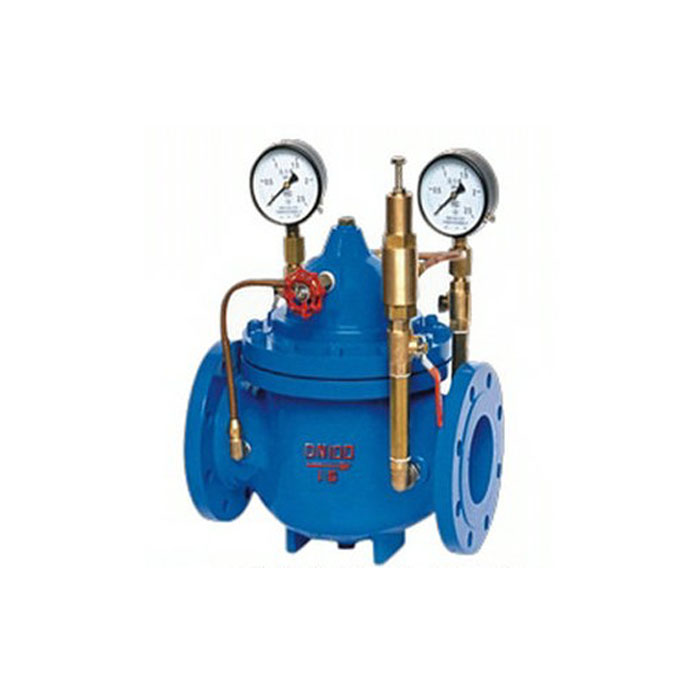
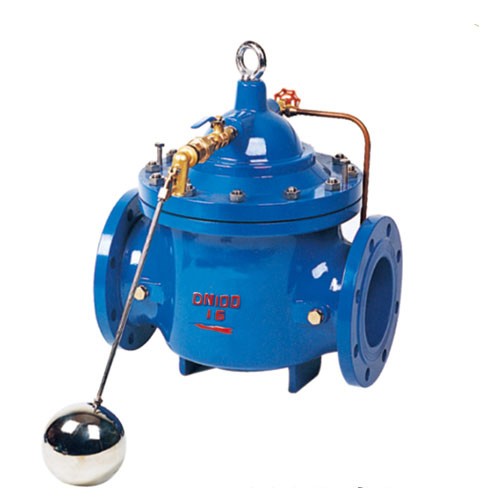
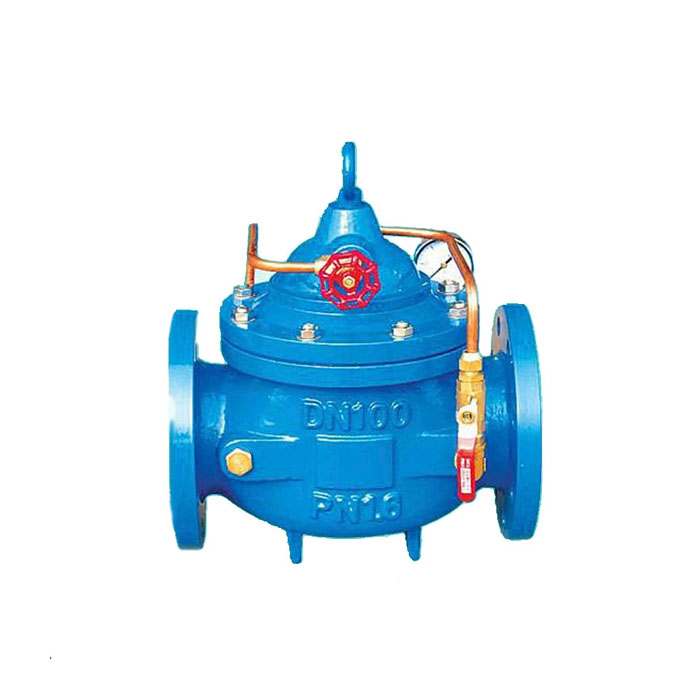
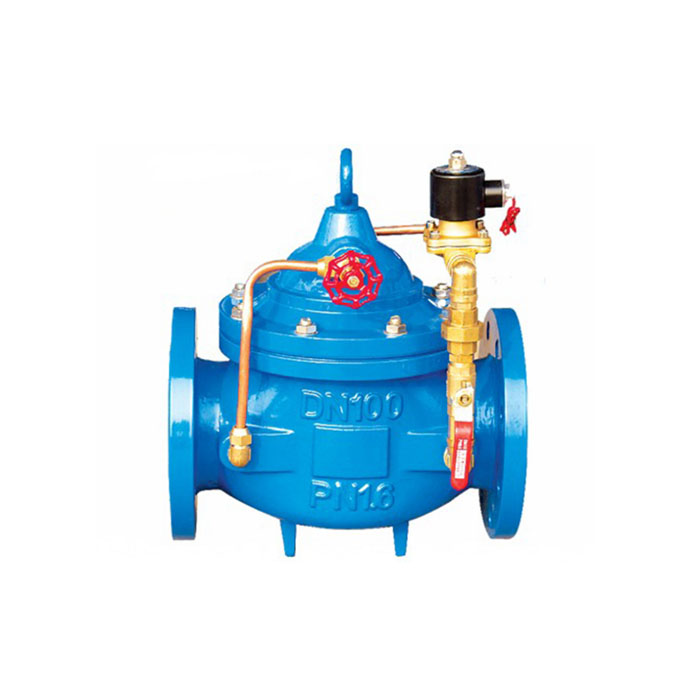
Control valve is a critical component in fluid systems that is used to regulate the flow, pressure, temperature, or level of a fluid within a process. It achieves this by varying the size of the flow passage as directed by a signal from a controller. Control valves are essential for maintaining precise control over the process conditions, ensuring that the system operates within specified parameters. They are widely used in industries such as oil and gas, chemical processing, power generation, and water treatment, where accurate control of fluid flow is crucial for operational efficiency and safety. Control valves come in various types, including globe valves, butterfly valves, ball valves, and diaphragm valves, each designed for specific applications and control requirements. The selection of a control valve depends on factors such as the type of fluid, flow rates, pressure and temperature conditions, and the desired level of control precision. Proper installation, calibration, and maintenance of control valves are essential to ensure their reliable and accurate performance within the fluid system.
Why Use Control Valves?
Control valves are used to regulate the flow, pressure, temperature, or level of a fluid within a process. They are essential for maintaining precise control over the process conditions, ensuring that the system operates within specified parameters. Control valves are widely used in various industries such as oil and gas, chemical processing, power generation, and water treatment, where accurate control of fluid flow is crucial for operational efficiency and safety. By using control valves, operators can adjust the flow rates and other process parameters to meet the changing demands of the system, optimize energy usage, and maintain product quality. Additionally, control valves play a critical role in ensuring the safety and reliability of the overall process by providing the means to regulate and manage the flow of fluids in a controlled and efficient manner. Overall, the use of control valves is essential for achieving precise and effective control over fluid processes, contributing to improved system performance, energy efficiency, and operational safety.












































































