


 Ελληνικά
 αφρικανός
 Αλβανός
 Αμαρικά
 αραβικός
 αρμενικός
 Αζερμπαϊτζάν
 Βάσκος
 Λευκορωσική
 Μπενγκάλι
 Βόσνιος
 Βούλγαρος
 καταλανικά
 Cebuano
 Κορσικανός
 Κροατία
 Τσέχος
 δανικός
 Ολλανδός
 Αγγλικά
 εσπεράντο
 Εσθονική
 φινλανδικός
 γαλλική γλώσσα
 Φριζ
Φριζ
 Γαλικιανός
 Γεωργιανή
 Γερμανός
 Γκουτζαράτι
 Κρεολική Αϊτής
 hausa
hausa
 Χαβάης
 Εβραϊκά
 Όχι
Όχι
 Miao
Miao
 ουγγρικός
 ισλανδικός
 igbo
igbo
 Ινδονησιακά
 ιρλανδικός
 ιταλικός
 Ιαπωνικά
 Ιάβας
Ιάβας
 Κανάντα
 καζακικά
 Χμερ
Χμερ
 Ρουάντα
 κορεάτης
 κουρδικά
 Κιργιζικά
 ΤΒ
ΤΒ
 λατινικά
 λετονική
 Λιθουανικά
 Λουξεμβουργιανό
 Μακεδόνας
 Μαλγκάσι
 Μαλαισίας
 Μαλαγιαλάμ
 μαλτέζος
 Μαορί
Μαορί
 Μαράθι
 Μογγόλος
 Μιανμάρ
 Νεπάλ
Νεπάλ
 Νορβηγός
 Νορβηγός
 Οξιτανός
 Πάστο
Πάστο
 περσικός
 Στίλβωση
 Πορτογαλικά
 Παντζάμπι
 ρουμανικός
 Ρωσική
 Σαμόα
Σαμόα
 Σκωτσέζικη Γαελική
 Σέρβος
 Αγγλικά
 Σόνα
Σόνα
 Σίντι
Σίντι
 Σινχαλά
 Σλοβάκος
 Σλοβενική
 Σομαλός
 Ισπανικά
 Σουνδανός
 Σουαχίλι
 Σουηδικά
 Ταγκαλόγκ
 Τατζικιστάν
 Ταμίλ
Ταμίλ
 Τατάρος
 Τελούγκου
 Ταϊλανδός
 τούρκικος
 Τουρκμενιστάν
 Ουκρανός
 Ουρντού
 Ουιγούρης
 Ουζμπεκιστάν
 Βιετναμέζικο
 Δεν πληρώνω τα οφειλόμενα
 Βοήθεια
 γερμανοεβραϊκή διάλεκτος
 Γιορούμπα
 Ζουλού


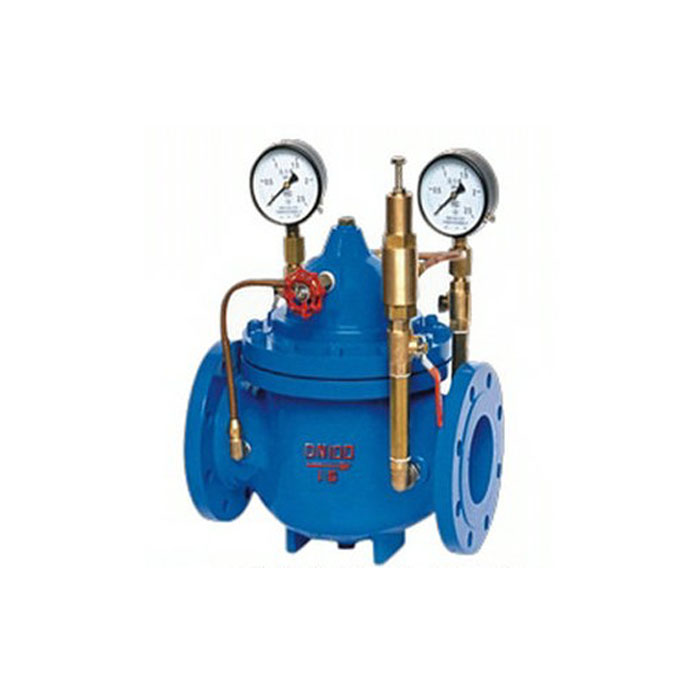
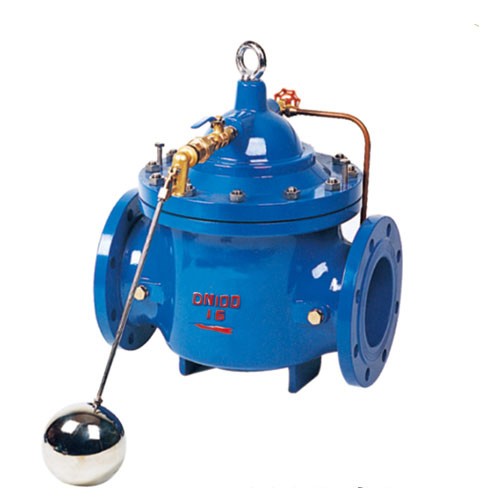
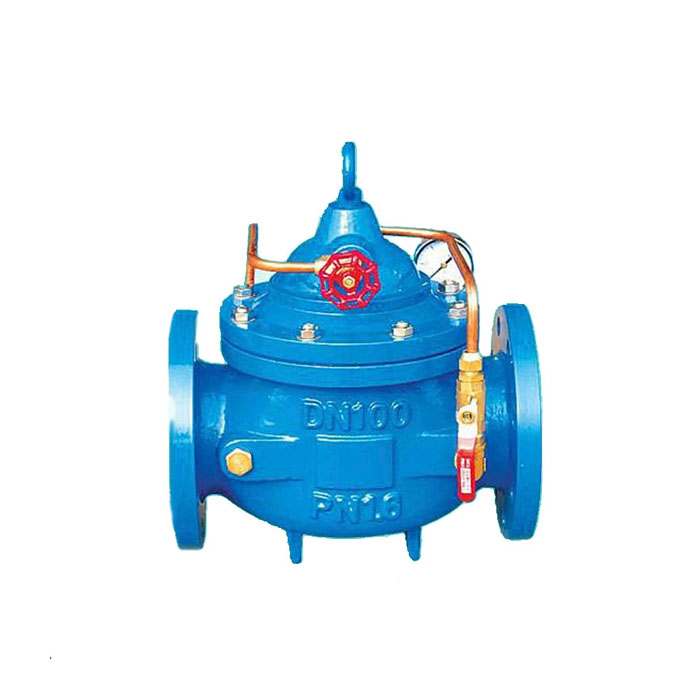
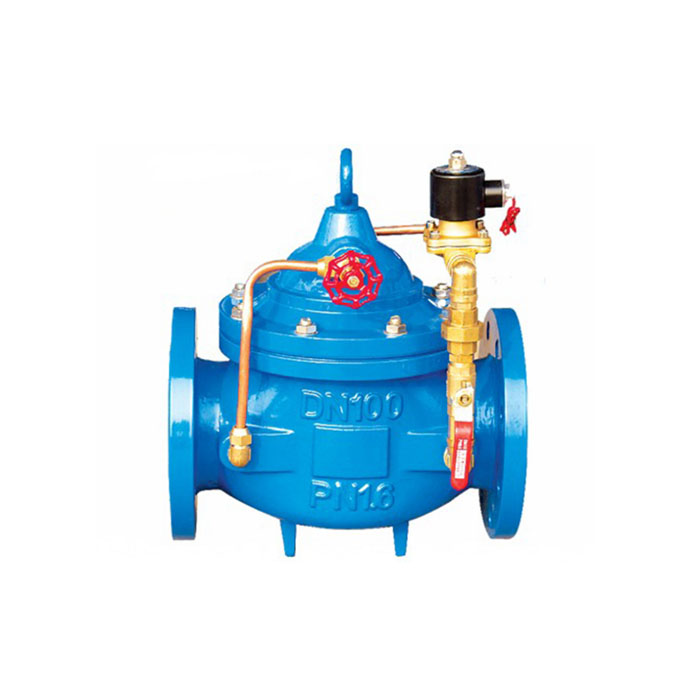
Control valve is a critical component in fluid systems that is used to regulate the flow, pressure, temperature, or level of a fluid within a process. It achieves this by varying the size of the flow passage as directed by a signal from a controller. Control valves are essential for maintaining precise control over the process conditions, ensuring that the system operates within specified parameters. They are widely used in industries such as oil and gas, chemical processing, power generation, and water treatment, where accurate control of fluid flow is crucial for operational efficiency and safety. Control valves come in various types, including globe valves, butterfly valves, ball valves, and diaphragm valves, each designed for specific applications and control requirements. The selection of a control valve depends on factors such as the type of fluid, flow rates, pressure and temperature conditions, and the desired level of control precision. Proper installation, calibration, and maintenance of control valves are essential to ensure their reliable and accurate performance within the fluid system.
Why Use Control Valves?
Control valves are used to regulate the flow, pressure, temperature, or level of a fluid within a process. They are essential for maintaining precise control over the process conditions, ensuring that the system operates within specified parameters. Control valves are widely used in various industries such as oil and gas, chemical processing, power generation, and water treatment, where accurate control of fluid flow is crucial for operational efficiency and safety. By using control valves, operators can adjust the flow rates and other process parameters to meet the changing demands of the system, optimize energy usage, and maintain product quality. Additionally, control valves play a critical role in ensuring the safety and reliability of the overall process by providing the means to regulate and manage the flow of fluids in a controlled and efficient manner. Overall, the use of control valves is essential for achieving precise and effective control over fluid processes, contributing to improved system performance, energy efficiency, and operational safety.












































































