


 čeština
 Afričan
 albánský
 amharština
 arabština
 arménský
 ázerbájdžánský
 baskický
 běloruský
 bengálský
 bosenský
 bulharský
 katalánština
 Cebuano
 Korsičan
 chorvatský
 dánština
 holandský
 Angličtina
 esperanto
 estonština
 finština
 francouzština
 fríský
 galicijský
 gruzínský
 Němec
Němec
 řecký
řecký
 Gudžarátština
 haitská kreolština
 hausa
hausa
 havajský
 hebrejština
 ani náhodou
 Miao
Miao
 maďarský
 islandský
 igbo
igbo
 indonéština
 irština
 italština
 japonský
 jávský
 Kannada
 kazašský
 khmerské
 Rwandské
 korejština
 kurdština
 kyrgyzština
 TBC
TBC
 latinský
 lotyšský
 litevský
 lucemburský
 makedonský
 Malgashi
 malajština
 malajálamština
 maltština
 maorští
 maráthština
 mongolský
 Myanmar
 nepálský
 norský
 norský
 okcitánština
 paštština
 Peršan
 polština
 portugalština
 pandžábština
 rumunština
 ruština
 Samoan
 skotská gaelština
 srbština
 Angličtina
 Shona
Shona
 Sindhi
 sinhálština
 Slovák
 slovinský
 somálský
 španělština
 sundánština
 svahilština
 švédský
 Tagalog
 tádžický
 tamilština
 Tatar
Tatar
 telugština
 thajština
 turečtina
 turkmenský
 ukrajinština
 Urdu
Urdu
 ujgurské
 uzbecký
 vietnamština
 velština
 Pomoc
Pomoc
 jidiš
jidiš
 jorubština
 Zulu
Zulu


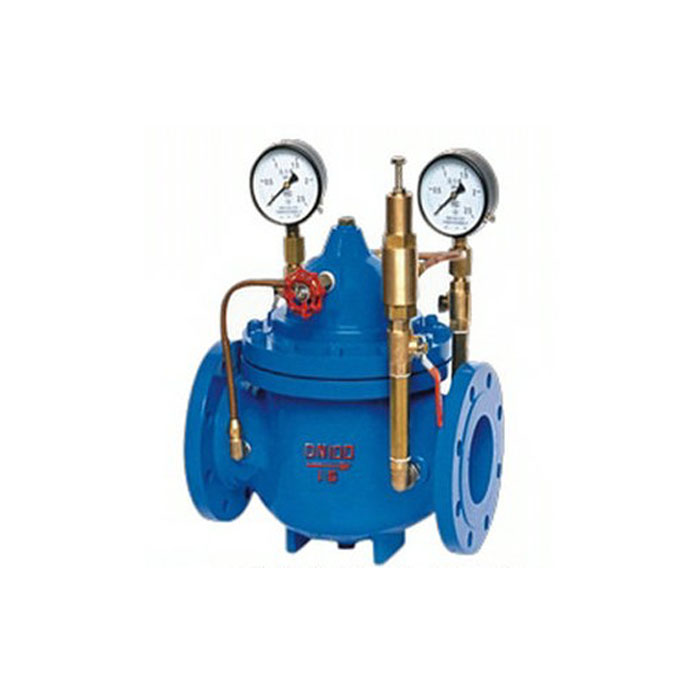
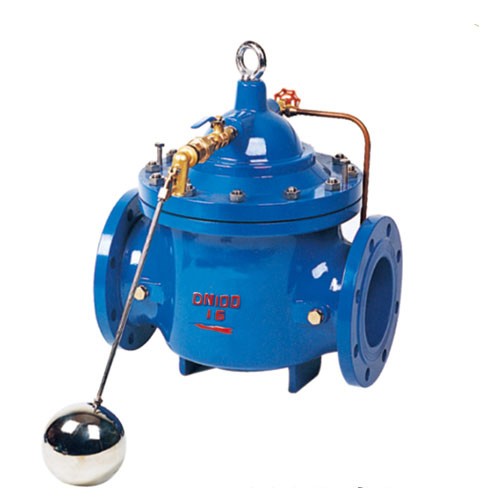
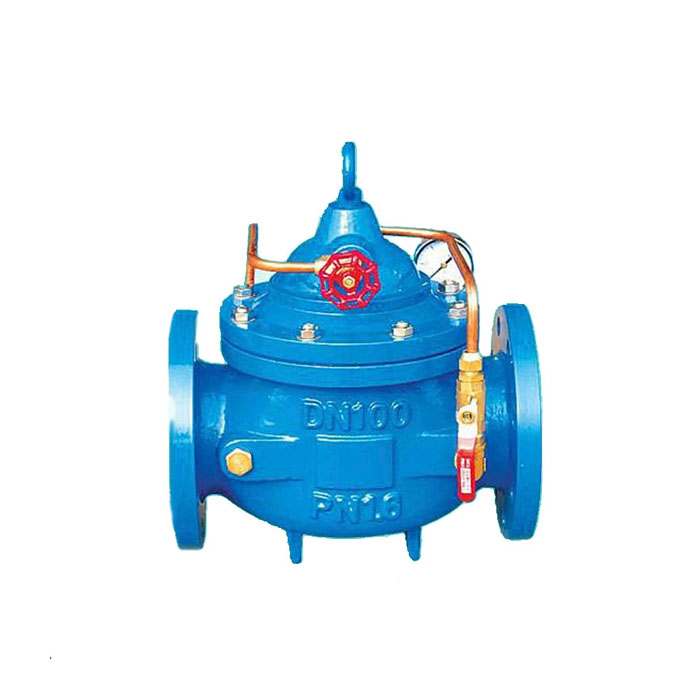
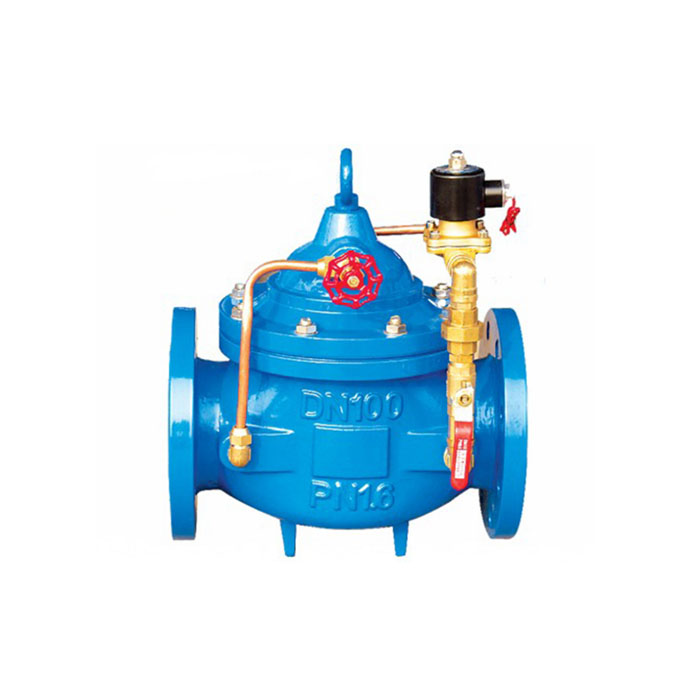
Control valve is a critical component in fluid systems that is used to regulate the flow, pressure, temperature, or level of a fluid within a process. It achieves this by varying the size of the flow passage as directed by a signal from a controller. Control valves are essential for maintaining precise control over the process conditions, ensuring that the system operates within specified parameters. They are widely used in industries such as oil and gas, chemical processing, power generation, and water treatment, where accurate control of fluid flow is crucial for operational efficiency and safety. Control valves come in various types, including globe valves, butterfly valves, ball valves, and diaphragm valves, each designed for specific applications and control requirements. The selection of a control valve depends on factors such as the type of fluid, flow rates, pressure and temperature conditions, and the desired level of control precision. Proper installation, calibration, and maintenance of control valves are essential to ensure their reliable and accurate performance within the fluid system.
Why Use Control Valves?
Control valves are used to regulate the flow, pressure, temperature, or level of a fluid within a process. They are essential for maintaining precise control over the process conditions, ensuring that the system operates within specified parameters. Control valves are widely used in various industries such as oil and gas, chemical processing, power generation, and water treatment, where accurate control of fluid flow is crucial for operational efficiency and safety. By using control valves, operators can adjust the flow rates and other process parameters to meet the changing demands of the system, optimize energy usage, and maintain product quality. Additionally, control valves play a critical role in ensuring the safety and reliability of the overall process by providing the means to regulate and manage the flow of fluids in a controlled and efficient manner. Overall, the use of control valves is essential for achieving precise and effective control over fluid processes, contributing to improved system performance, energy efficiency, and operational safety.












































































