


 kiswahili
 Mwafrika
 Kialbeni
 Kiamhari
 Kiarabu
 Kiarmenia
 Kiazabajani
 Kibasque
 Kibelarusi
 Kibengali
 Kibosnia
 Kibulgaria
 Kikatalani
 Cebuano
 Kikosikani
 Kikroeshia
 Kicheki
 Kideni
 Kiholanzi
 Kiingereza
 Kiesperanto
 Kiestonia
 Kifini
 Kifaransa
 Kifrisia
 Kigalisia
 Kijojiajia
 Kijerumani
 Kigiriki
 Kigujarati
 Krioli ya Haiti
 hausa
hausa
 Kihawai
 Kiebrania
 Hapana
 Miao
Miao
 Kihungaria
 Kiaislandi
 igbo
igbo
 Kiindonesia
 irish
irish
 Kiitaliano
 Kijapani
 Kijava
 Kikanada
 kazakh
 Khmer
Khmer
 Mnyarwanda
 Kikorea
 Kikurdi
 Kirigizi
 TB
TB
 Kilatini
 Kilatvia
 Kilithuania
 Kilasembagi
 Kimasedonia
 Malgashi
 Kimalei
 Kimalayalam
 Kimalta
 Kimaori
 Marathi
 Kimongolia
 Myanmar
 Kinepali
 Kinorwe
 Kinorwe
 Oksitani
 Kipashto
 Kiajemi
 Kipolandi
 Kireno
 Kipunjabi
 Kiromania
 Kirusi
 Kisamoa
 Kigaeli cha Kiskoti
 Kiserbia
 Kiingereza
 Kishona
 Kisindhi
 Kisinhala
 Kislovakia
 Kislovenia
 Msomali
 Kihispania
 Kisunda
 Kiswidi
 Kitagalogi
 Tajiki
 Kitamil
 Kitatari
 Kitelugu
 Thai
Thai
 Kituruki
 Waturukimeni
 Kiukreni
 Kiurdu
 Uighur
 Kiuzbeki
 Kivietinamu
 Kiwelisi
 Msaada
 Kiyidi
 Kiyoruba
 Kizulu


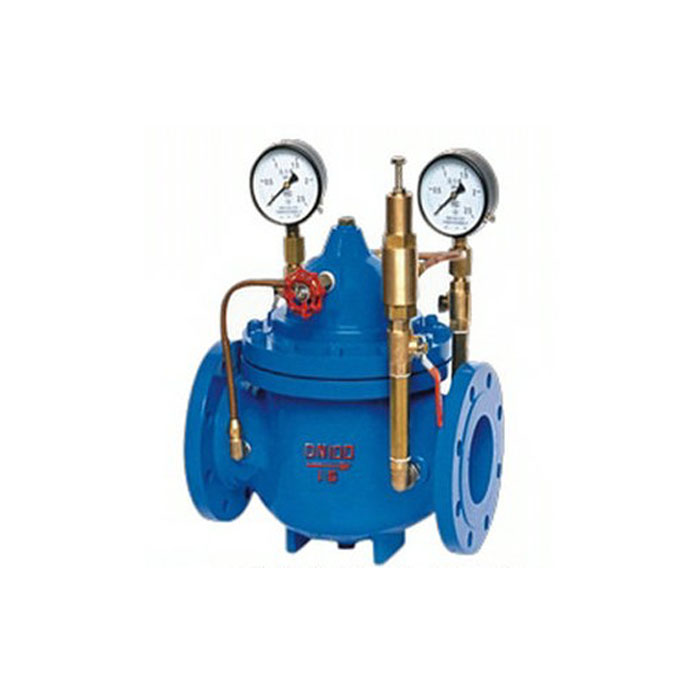
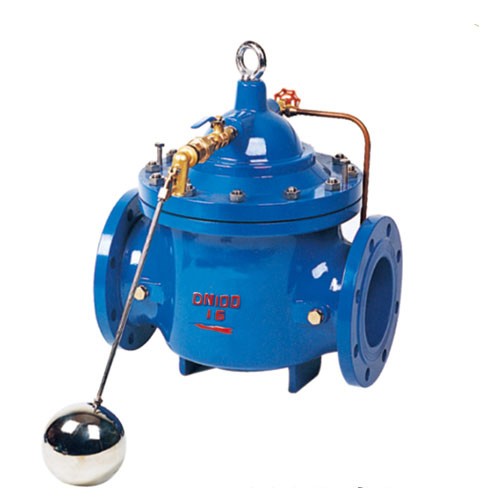
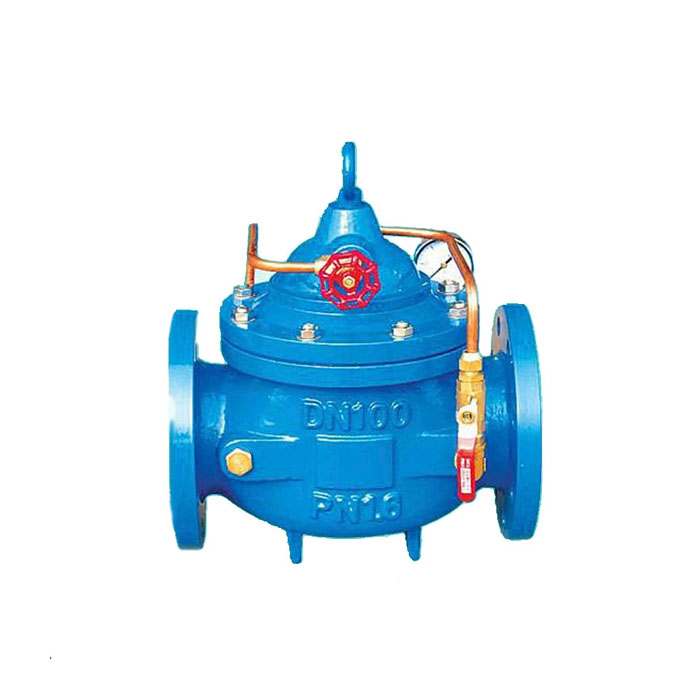
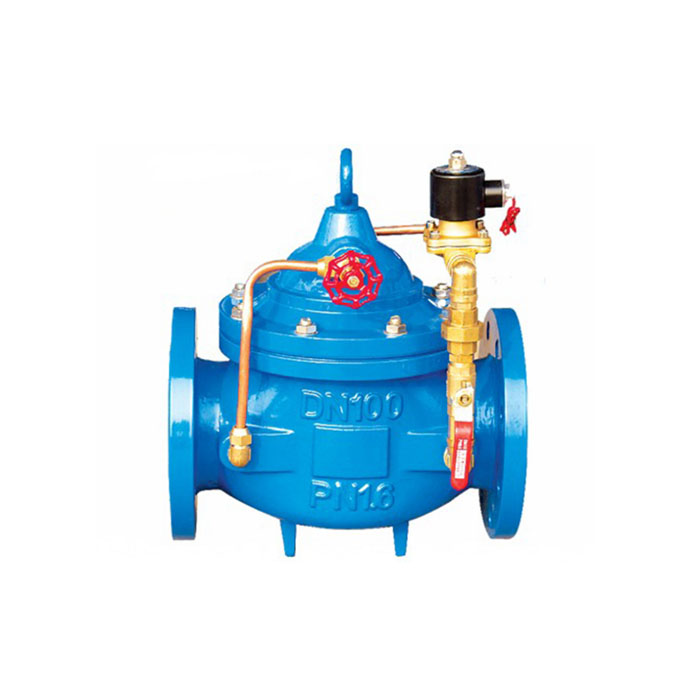
Control valve is a critical component in fluid systems that is used to regulate the flow, pressure, temperature, or level of a fluid within a process. It achieves this by varying the size of the flow passage as directed by a signal from a controller. Control valves are essential for maintaining precise control over the process conditions, ensuring that the system operates within specified parameters. They are widely used in industries such as oil and gas, chemical processing, power generation, and water treatment, where accurate control of fluid flow is crucial for operational efficiency and safety. Control valves come in various types, including globe valves, butterfly valves, ball valves, and diaphragm valves, each designed for specific applications and control requirements. The selection of a control valve depends on factors such as the type of fluid, flow rates, pressure and temperature conditions, and the desired level of control precision. Proper installation, calibration, and maintenance of control valves are essential to ensure their reliable and accurate performance within the fluid system.
Why Use Control Valves?
Control valves are used to regulate the flow, pressure, temperature, or level of a fluid within a process. They are essential for maintaining precise control over the process conditions, ensuring that the system operates within specified parameters. Control valves are widely used in various industries such as oil and gas, chemical processing, power generation, and water treatment, where accurate control of fluid flow is crucial for operational efficiency and safety. By using control valves, operators can adjust the flow rates and other process parameters to meet the changing demands of the system, optimize energy usage, and maintain product quality. Additionally, control valves play a critical role in ensuring the safety and reliability of the overall process by providing the means to regulate and manage the flow of fluids in a controlled and efficient manner. Overall, the use of control valves is essential for achieving precise and effective control over fluid processes, contributing to improved system performance, energy efficiency, and operational safety.












































































