


 Afrikaans
 Albanees
 Amharies
 Arabies
 Armeens
 Azerbeidjans
 Baskies
 Wit-Russies
 Bengaals
 Bosnies
 Bulgaars
 Katalaans
 Cebuano
 Korsikaans
 Kroaties
 Tsjeggies
 Deens
Deens
 Nederlands
 Engels
 Esperanto
 Estnies
 Fins
Fins
 Frans
Frans
 Fries
Fries
 Galisies
 Georgies
 Duits
Duits
 Grieks
 Gujarati
 Haïtiaans Kreools
 hausa
hausa
 hawaiian
 Hebreeus
 Nope
Nope
 Miao
Miao
 Hongaars
 Yslands
 igbo
igbo
 Indonesies
 iers
iers
 Italiaans
 Japannese
 Javaans
 Kannada
 kazaks
 Khmer
Khmer
 Rwandese
 Koreaans
 Koerdies
 Kirgisies
 TB
TB
 Latyn
Latyn
 Letties
 Litaus
 Luxemburgs
 Masedonies
 Malgashi
 Maleis
 Malabaars
 Maltees
 Maori
Maori
 Marathi
 Mongoolse
 Myanmar
 Nepalees
 Noors
Noors
 Noors
Noors
 Oksitaans
 Pasjto
 Persies
 Pools
Pools
 Portugees
 Punjabi
 Roemeens
 Russies
 Samoaans
 Skotse Gaelies
 Serwies
 Engels
 Shona
Shona
 Sindhi
 Sinhala
 Slowaaks
 Sloweens
 Somalies
 Spaans
 Soendanees
 Swahili
 Sweeds
 Tagalog
 Tadjieks
 Tamil
Tamil
 Tataars
 Telugu
 Thai
Thai
 Turks
Turks
 Turkmeens
 Oekraïens
 Oerdoe
 Uighur
 Oezbeeks
 Viëtnamees
 Wallies
 Help
Help
 Jiddisj
 Yoruba
 Zoeloe


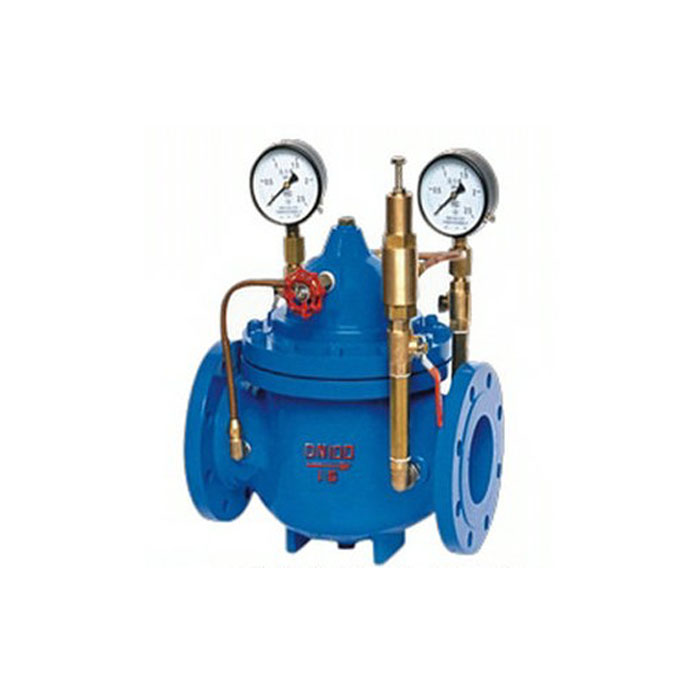
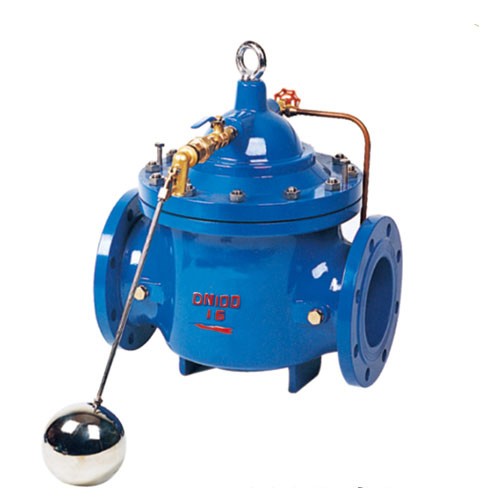
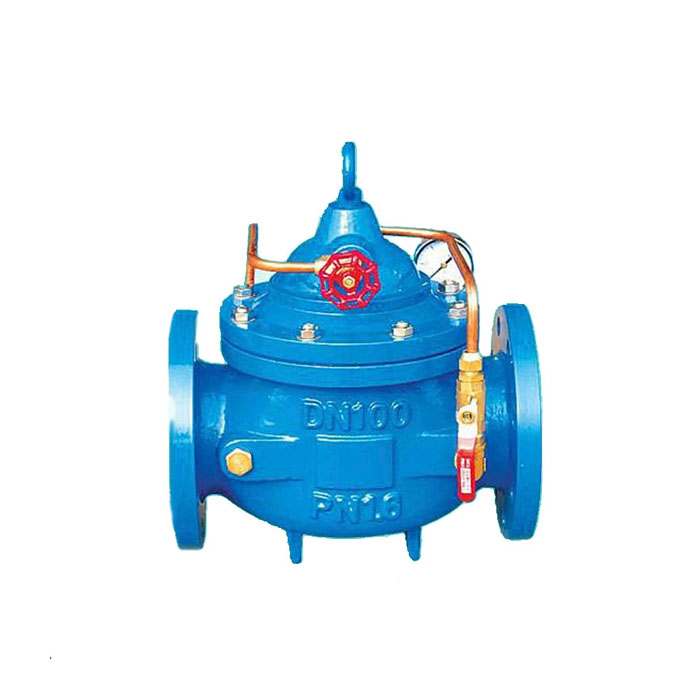
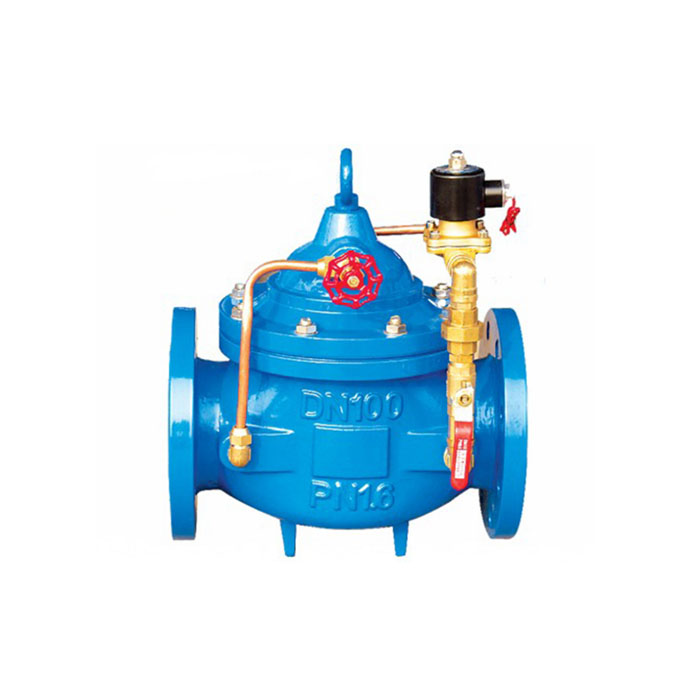
Control valve is a critical component in fluid systems that is used to regulate the flow, pressure, temperature, or level of a fluid within a process. It achieves this by varying the size of the flow passage as directed by a signal from a controller. Control valves are essential for maintaining precise control over the process conditions, ensuring that the system operates within specified parameters. They are widely used in industries such as oil and gas, chemical processing, power generation, and water treatment, where accurate control of fluid flow is crucial for operational efficiency and safety. Control valves come in various types, including globe valves, butterfly valves, ball valves, and diaphragm valves, each designed for specific applications and control requirements. The selection of a control valve depends on factors such as the type of fluid, flow rates, pressure and temperature conditions, and the desired level of control precision. Proper installation, calibration, and maintenance of control valves are essential to ensure their reliable and accurate performance within the fluid system.
Why Use Control Valves?
Control valves are used to regulate the flow, pressure, temperature, or level of a fluid within a process. They are essential for maintaining precise control over the process conditions, ensuring that the system operates within specified parameters. Control valves are widely used in various industries such as oil and gas, chemical processing, power generation, and water treatment, where accurate control of fluid flow is crucial for operational efficiency and safety. By using control valves, operators can adjust the flow rates and other process parameters to meet the changing demands of the system, optimize energy usage, and maintain product quality. Additionally, control valves play a critical role in ensuring the safety and reliability of the overall process by providing the means to regulate and manage the flow of fluids in a controlled and efficient manner. Overall, the use of control valves is essential for achieving precise and effective control over fluid processes, contributing to improved system performance, energy efficiency, and operational safety.












































































