


 Frysk
Frysk
 Afrikaanske
 Albaneesk
 Amhaarsk
 Arabysk
 Armeensk
 Azerbeidzjaansk
 Baskysk
 Wytrussysk
 Bengaalsk
 Bosnysk
 Bulgaarsk
 Katalaansk
 Cebuano
 Korsikaansk
 Kroatysk
 Tsjechysk
 Deensk
 Nederlânsk
 Ingelsk
 Esperanto
 Estysk
 Finsk
Finsk
 Frânsk
 Galyskysk
 Georgysk
 Dútsk
Dútsk
 Gryksk
 Gujaratysk
 Haïtiaansk Kreaolsk
 Hausa
Hausa
 Hawaïaansk
 Hebrieuwsk
 Nee
Nee
 Miao
Miao
 Hongaarsk
 Yslânsk
 igbo
igbo
 Yndonesysk
 Iersk
Iersk
 Italiaansk
 Japansk
 Javaansk
 Kannada
 Kazachsk
 Khmer
Khmer
 Rwandan
 Koreaansk
 Koerdysk
 Kirgizysk
 TB
TB
 Latyn
Latyn
 Letsk
Letsk
 Litousk
 Lúksemboarchsk
 Masedoanysk
 Malgashi
 Maleisk
 Malayalam
 Malteesk
 Maori
Maori
 Maratysk
 Mongoalsk
 Birma
Birma
 Nepaleesk
 Noarsk
 Noarsk
 Oksitaansk
 Pashtu
 Perzysk
 Poalsk
 Portegeesk
 Pûndjaabsk
 Roemeensk
 Russysk
 Samoan
 Skotsk Gaelic
 Servysk
 Ingelsk
 Shona
Shona
 Sindysk
 Sinhala
 Slowaaksk
 Sloveensk
 Somalysk
 Spaansk
 Soendaneesk
 Swahily
 Sweedsk
 Tagaloch
 Tajik
Tajik
 Tamyl
Tamyl
 Tatar
Tatar
 Telugu
 Taisk
Taisk
 Turksk
 Turkmeensk
 Oekraynsk
 Urdu
Urdu
 Uighur
 Uzbek
Uzbek
 Fietnameesk
 Welsh
Welsh
 Help
Help
 Jiddysk
 Yoruba
 Zulu
Zulu


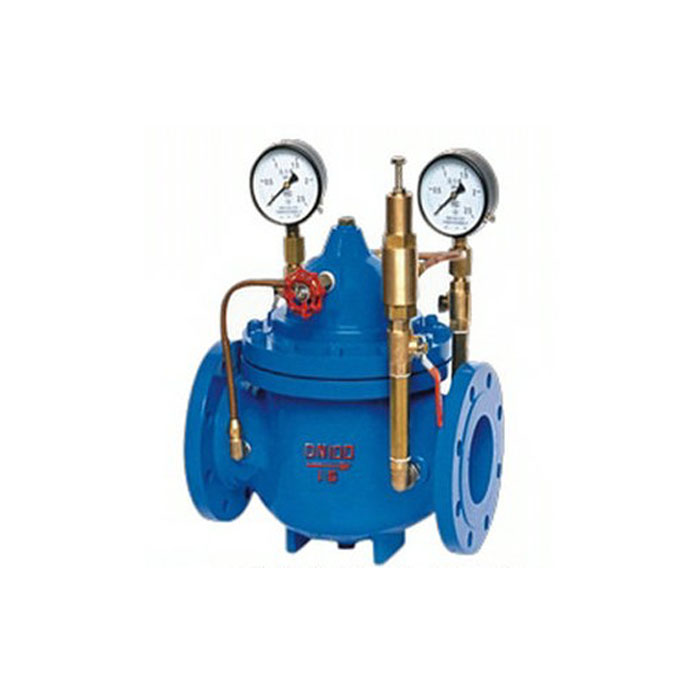
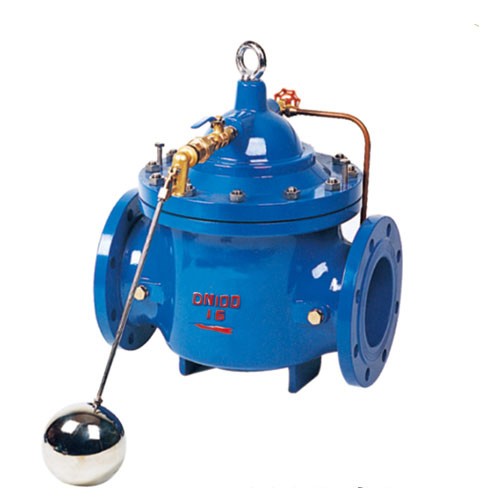
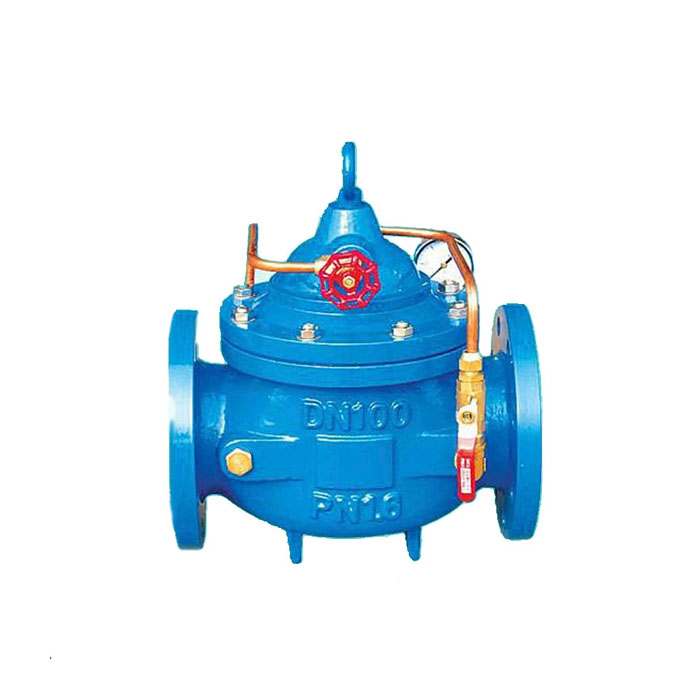
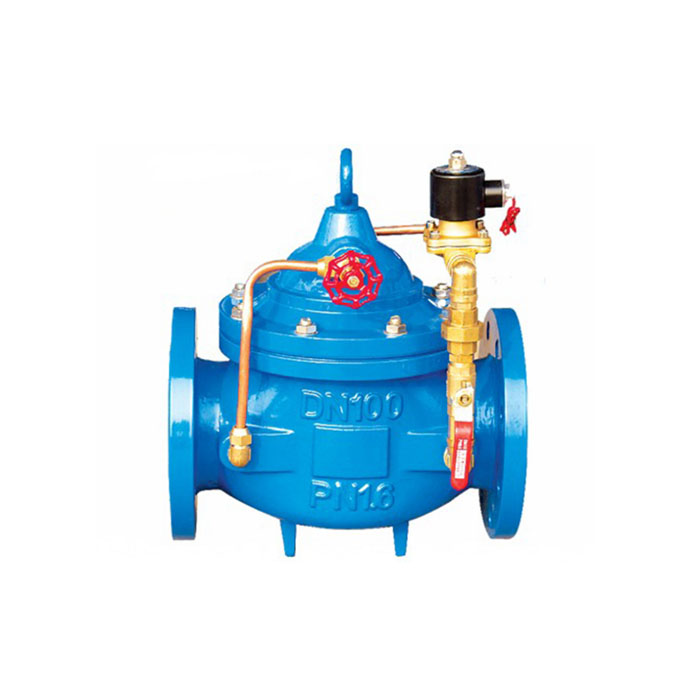
Control valve is a critical component in fluid systems that is used to regulate the flow, pressure, temperature, or level of a fluid within a process. It achieves this by varying the size of the flow passage as directed by a signal from a controller. Control valves are essential for maintaining precise control over the process conditions, ensuring that the system operates within specified parameters. They are widely used in industries such as oil and gas, chemical processing, power generation, and water treatment, where accurate control of fluid flow is crucial for operational efficiency and safety. Control valves come in various types, including globe valves, butterfly valves, ball valves, and diaphragm valves, each designed for specific applications and control requirements. The selection of a control valve depends on factors such as the type of fluid, flow rates, pressure and temperature conditions, and the desired level of control precision. Proper installation, calibration, and maintenance of control valves are essential to ensure their reliable and accurate performance within the fluid system.
Why Use Control Valves?
Control valves are used to regulate the flow, pressure, temperature, or level of a fluid within a process. They are essential for maintaining precise control over the process conditions, ensuring that the system operates within specified parameters. Control valves are widely used in various industries such as oil and gas, chemical processing, power generation, and water treatment, where accurate control of fluid flow is crucial for operational efficiency and safety. By using control valves, operators can adjust the flow rates and other process parameters to meet the changing demands of the system, optimize energy usage, and maintain product quality. Additionally, control valves play a critical role in ensuring the safety and reliability of the overall process by providing the means to regulate and manage the flow of fluids in a controlled and efficient manner. Overall, the use of control valves is essential for achieving precise and effective control over fluid processes, contributing to improved system performance, energy efficiency, and operational safety.












































































