


 Frysk
Frysk
 Afrikaanske
 Albaneesk
 Amhaarsk
 Arabysk
 Armeensk
 Azerbeidzjaansk
 Baskysk
 Wytrussysk
 Bengaalsk
 Bosnysk
 Bulgaarsk
 Katalaansk
 Cebuano
 Korsikaansk
 Kroatysk
 Tsjechysk
 Deensk
 Nederlânsk
 Ingelsk
 Esperanto
 Estysk
 Finsk
Finsk
 Frânsk
 Galyskysk
 Georgysk
 Dútsk
Dútsk
 Gryksk
 Gujaratysk
 Haïtiaansk Kreaolsk
 Hausa
Hausa
 Hawaïaansk
 Hebrieuwsk
 Nee
Nee
 Miao
Miao
 Hongaarsk
 Yslânsk
 igbo
igbo
 Yndonesysk
 Iersk
Iersk
 Italiaansk
 Japansk
 Javaansk
 Kannada
 Kazachsk
 Khmer
Khmer
 Rwandan
 Koreaansk
 Koerdysk
 Kirgizysk
 TB
TB
 Latyn
Latyn
 Letsk
Letsk
 Litousk
 Lúksemboarchsk
 Masedoanysk
 Malgashi
 Maleisk
 Malayalam
 Malteesk
 Maori
Maori
 Maratysk
 Mongoalsk
 Birma
Birma
 Nepaleesk
 Noarsk
 Noarsk
 Oksitaansk
 Pashtu
 Perzysk
 Poalsk
 Portegeesk
 Pûndjaabsk
 Roemeensk
 Russysk
 Samoan
 Skotsk Gaelic
 Servysk
 Ingelsk
 Shona
Shona
 Sindysk
 Sinhala
 Slowaaksk
 Sloveensk
 Somalysk
 Spaansk
 Soendaneesk
 Swahily
 Sweedsk
 Tagaloch
 Tajik
Tajik
 Tamyl
Tamyl
 Tatar
Tatar
 Telugu
 Taisk
Taisk
 Turksk
 Turkmeensk
 Oekraynsk
 Urdu
Urdu
 Uighur
 Uzbek
Uzbek
 Fietnameesk
 Welsh
Welsh
 Help
Help
 Jiddysk
 Yoruba
 Zulu
Zulu


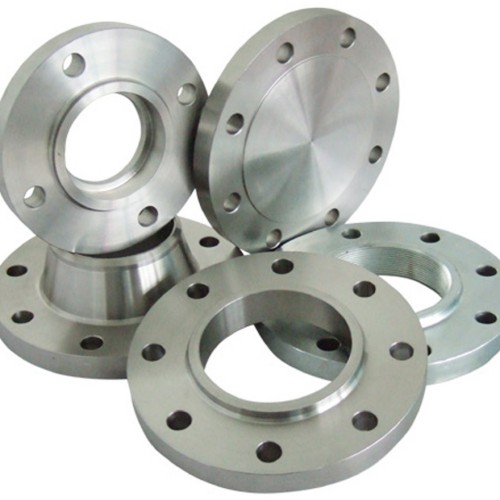
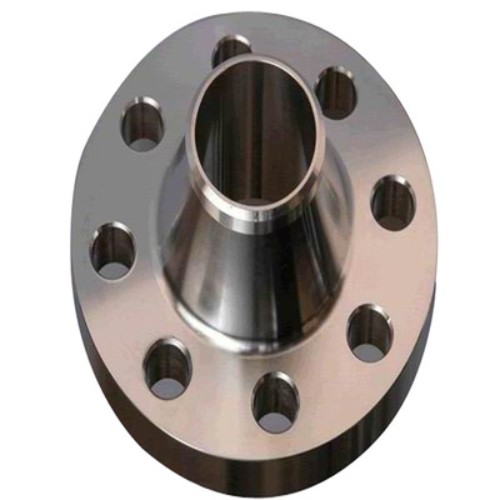
Flanges are important components for connecting pipes, valves, equipment and accessories to achieve safe and reliable connections. Flanges can be divided into various types according to different standards and uses. Common flange types include weld neck flanges, blind flanges, flange-to-flanges, sliding flanges, and threaded flanges. Welded neck flanges are suitable for high pressure and high temperature environments and are connected to pipes by welding to provide a stable connection. Blind flanges are used to close the ends of pipes to facilitate maintenance and inspection. Flange-to-flange is typically used to connect two pipes, while sliding flange allows the flange to slide over the pipe for easy installation and adjustment. Threaded flanges are suitable for low pressure environments and are threaded to pipes. Selecting the appropriate flange type depends on the pressure, temperature, media and installation requirements of the piping system. Proper selection and installation of flanges ensures safe operation and sealed connections in piping systems.
What Are The Types Of Flanges?
The types of flanges commonly used in piping systems include:
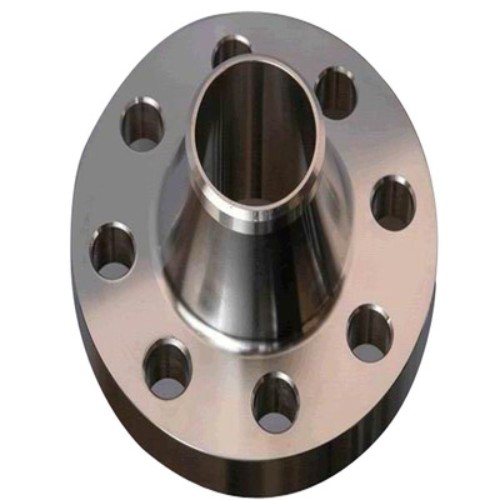
1. Weld Neck Flange: This type of flange is designed with a long, tapered hub that provides an ideal connection for high-pressure applications. The neck of the flange is welded to the pipe, offering strength and support at the joint.
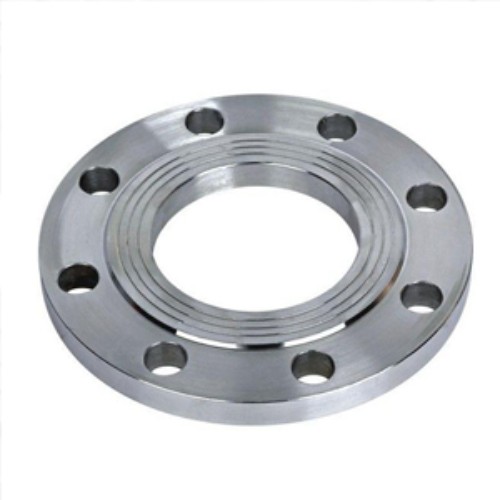
2. Slip-On Flange: Slip-on flanges are easy to align and are used in low-pressure applications. They are slipped over the pipe and then welded both inside and outside to provide strength and prevent leakage.
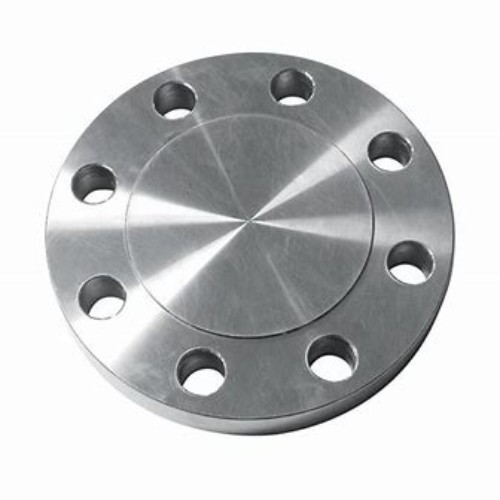
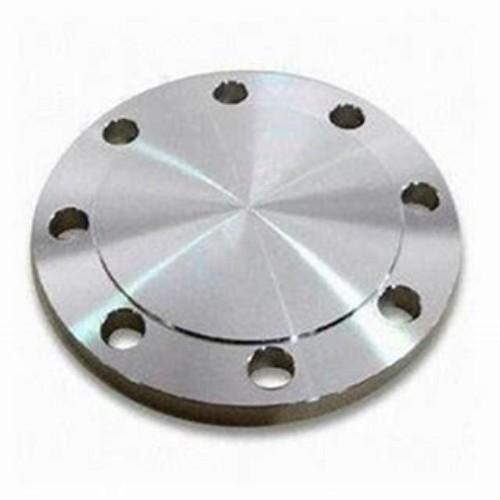
3. Blind Flange: Blind flanges are solid disks used to block off a pipeline or to create a stop. They are commonly used for pressure testing the flow of gas or liquid through a pipeline.
4. Threaded Flange: Threaded flanges are used in low-pressure applications and are connected to the pipe with threads, providing a strong and reliable connection.
5. Lap Joint Flange: Lap joint flanges are used with a stub end or taft, which is welded to the pipe. The flange then slides over the pipe and is free to rotate around the stub end, allowing for easy alignment of bolt holes.
6. Socket Weld Flange: Socket weld flanges are used for high-pressure applications and are connected to the pipe by inserting the pipe into the socket end and then applying fillet weld around the top.
Each type of flange has specific characteristics and is suitable for different applications based on factors such as pressure, temperature, and the nature of the fluid being transported. Proper selection of flange type is crucial to ensure the integrity and safety of the piping system.












































































