


 shqiptare
 afrikane
 amharike
 arabisht
 armene
 Azerbajxhani
 bask
bask
 bjellorusisht
 Bengalisht
 boshnjake
 bullgare
 katalanas
 Cebuano
 korsikane
 kroate
 çeke
çeke
 daneze
 holandeze
 anglisht
 Esperanto
 estoneze
 finlandez
 frëngjisht
 frizianisht
 Galician
 gjeorgjiane
 gjermanisht
 greke
greke
 guxharatisht
 Kreole Haitiane
 hausa
hausa
 hawajiane
 hebraishtja
 Jo
Jo
 Miao
Miao
 hungareze
 islandeze
 igbo
igbo
 indonezisht
 irlandeze
 italisht
 japoneze
 javaneze
 kanadeze
 kazakisht
 Khmer
Khmer
 Ruanda
 koreane
 kurde
kurde
 Kirgize
 TB
TB
 latinisht
 Letonisht
 Lituanisht
 luksemburgase
 maqedonase
 Malgashi
 Malay
Malay
 malajalamisht
 malteze
 Maori
Maori
 Marathi
 mongolisht
 Mianmar
 nepalisht
 norvegjeze
 norvegjeze
 Oksitan
 Pashto
 persisht
 polonisht
 portugeze
 Punjabi
 rumun
rumun
 rusisht
 Samoan
 gaelishte skoceze
 serb
serb
 anglisht
 Shona
Shona
 Sindhi
 sinhalisht
 sllovake
 slloven
 somalez
 Spanjisht
 sundanez
 Suahili
 suedeze
 Tagalogisht
 Taxhikisht
 tamile
 tatar
tatar
 telugu
 Thai
Thai
 turk
turk
 turkmen
 ukrainase
 urdu
urdu
 ujgure
 Uzbekistani
 vietnameze
 Uellsisht
 Ndihmë
 Jidish
 Jorubisht
 Zulu
Zulu


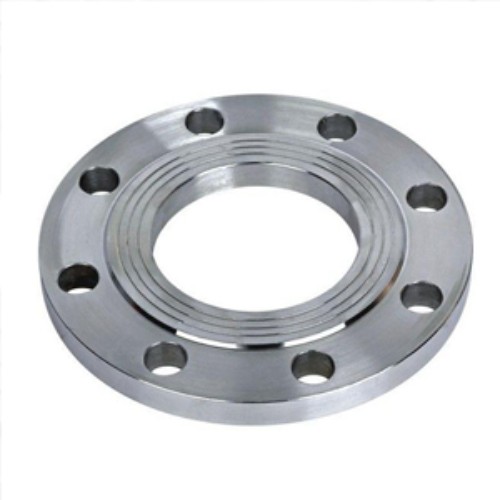
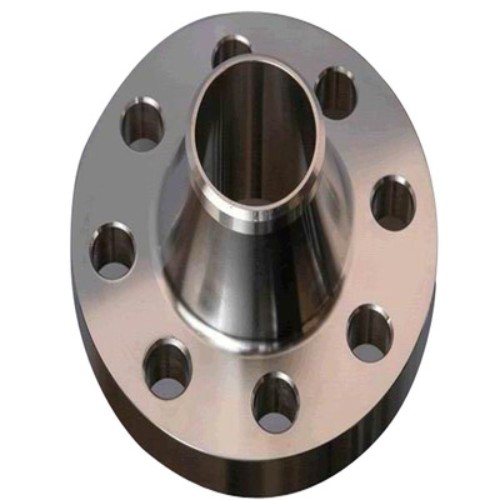
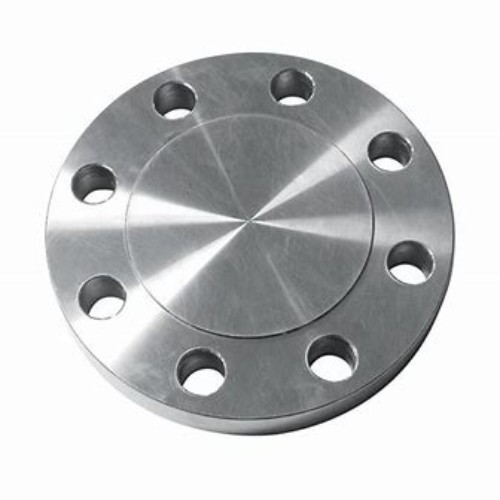
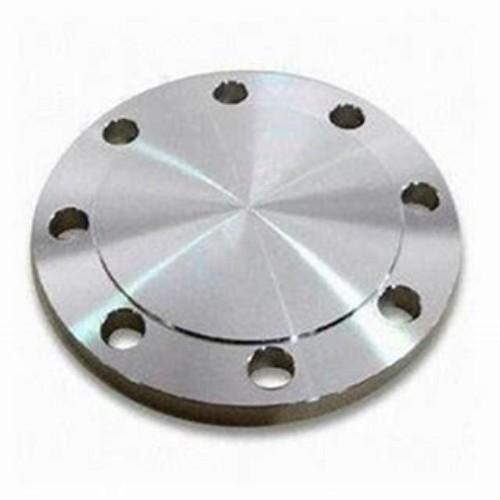
Flanges are important components for connecting pipes, valves, equipment and accessories to achieve safe and reliable connections. Flanges can be divided into various types according to different standards and uses. Common flange types include weld neck flanges, blind flanges, flange-to-flanges, sliding flanges, and threaded flanges. Welded neck flanges are suitable for high pressure and high temperature environments and are connected to pipes by welding to provide a stable connection. Blind flanges are used to close the ends of pipes to facilitate maintenance and inspection. Flange-to-flange is typically used to connect two pipes, while sliding flange allows the flange to slide over the pipe for easy installation and adjustment. Threaded flanges are suitable for low pressure environments and are threaded to pipes. Selecting the appropriate flange type depends on the pressure, temperature, media and installation requirements of the piping system. Proper selection and installation of flanges ensures safe operation and sealed connections in piping systems.
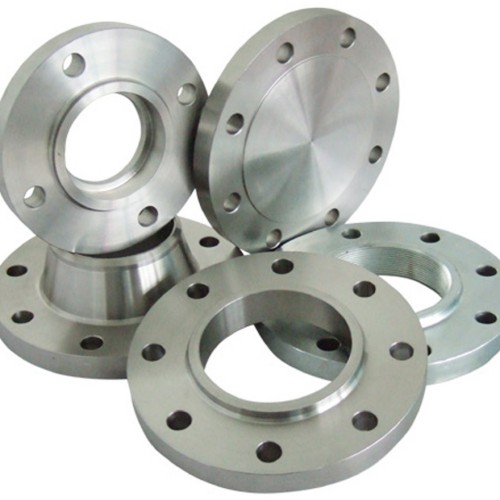
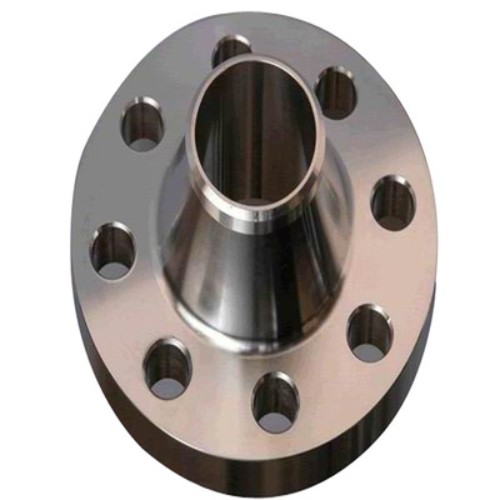
What Are The Types Of Flanges?
The types of flanges commonly used in piping systems include:
1. Weld Neck Flange: This type of flange is designed with a long, tapered hub that provides an ideal connection for high-pressure applications. The neck of the flange is welded to the pipe, offering strength and support at the joint.
2. Slip-On Flange: Slip-on flanges are easy to align and are used in low-pressure applications. They are slipped over the pipe and then welded both inside and outside to provide strength and prevent leakage.
3. Blind Flange: Blind flanges are solid disks used to block off a pipeline or to create a stop. They are commonly used for pressure testing the flow of gas or liquid through a pipeline.
4. Threaded Flange: Threaded flanges are used in low-pressure applications and are connected to the pipe with threads, providing a strong and reliable connection.
5. Lap Joint Flange: Lap joint flanges are used with a stub end or taft, which is welded to the pipe. The flange then slides over the pipe and is free to rotate around the stub end, allowing for easy alignment of bolt holes.
6. Socket Weld Flange: Socket weld flanges are used for high-pressure applications and are connected to the pipe by inserting the pipe into the socket end and then applying fillet weld around the top.
Each type of flange has specific characteristics and is suitable for different applications based on factors such as pressure, temperature, and the nature of the fluid being transported. Proper selection of flange type is crucial to ensure the integrity and safety of the piping system.












































































