


 slovenský
 africký
 albánsky
 amharčina
 arabčina
 arménsky
 azerbajdžanský
 baskický
 bieloruský
 bengálsky
 bosniansky
 bulharčina
 katalánsky
 Cebuano
 korzické
 chorvátsky
 český
český
 dánčina
 holandský
 Angličtina
 Esperanto
 estónsky
 fínsky
 francúzsky
 frízsky
 Haličský
 gruzínsky
 nemecký
 grécky
 Gudžarátčina
 haitská kreolčina
 hausa
hausa
 havajský
 hebrejčina
 nie
nie
 Miao
Miao
 maďarský
 islandský
 igbo
igbo
 indonézsky
 írsky
írsky
 taliansky
 japončina
 jávsky
 Kannada
 kazašský
 khmérsky
 Rwanda
 kórejský
 kurdský
 kirgizský
 TBC
TBC
 latinčina
 lotyšský
 litovský
 luxemburský
 macedónsky
 Malgashi
 malajčina
 malajálamčina
 maltčina
 Maori
Maori
 maráthčina
 mongolský
 Mjanmarsko
 nepálsky
 nórsky
 nórsky
 okcitánsky
 paštčina
 perzský
 poľský
 portugalčina
 pandžábsky
 rumunský
 ruský
ruský
 Samoan
 škótska galčina
 srbský
 Angličtina
 Shona
Shona
 Sindhi
 sinhálčina
 slovensky
 somálsky
 španielčina
 sundánsky
 svahilčina
 švédsky
 Tagalog
 tadžický
 tamilčina
 tatársky
 telugčina
 thajčina
 turecký
 turkménskym
 Ukrajinčina
 urdčina
 ujgurské
 uzbecký
 Vietnamci
 waleský
 Pomoc
Pomoc
 jidiš
jidiš
 Yoruba
 Zulu
Zulu


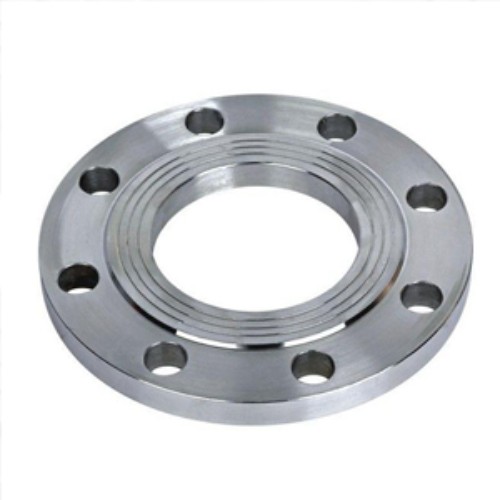
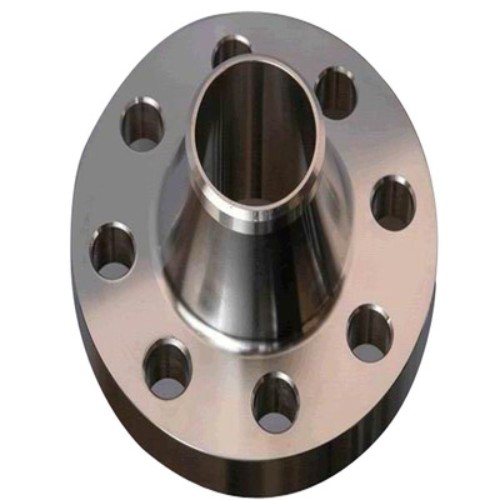
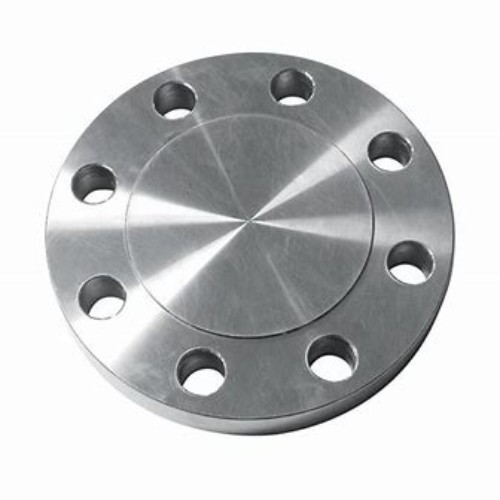
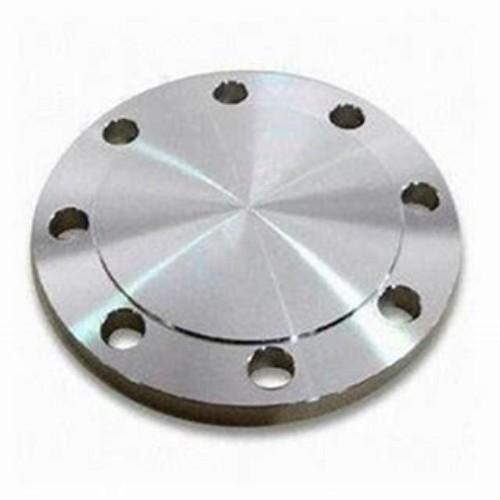
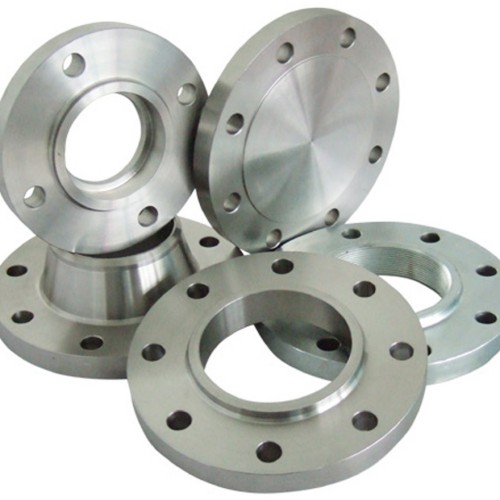
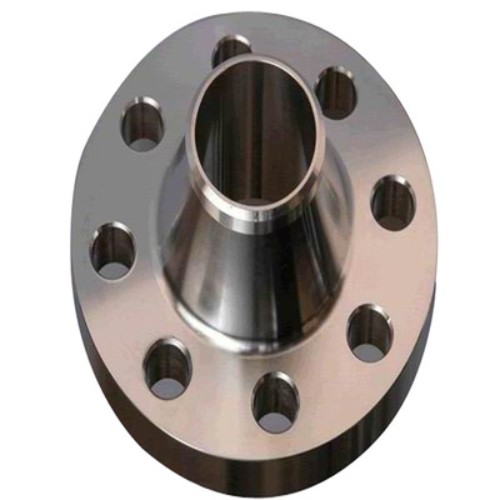
Flanges are important components for connecting pipes, valves, equipment and accessories to achieve safe and reliable connections. Flanges can be divided into various types according to different standards and uses. Common flange types include weld neck flanges, blind flanges, flange-to-flanges, sliding flanges, and threaded flanges. Welded neck flanges are suitable for high pressure and high temperature environments and are connected to pipes by welding to provide a stable connection. Blind flanges are used to close the ends of pipes to facilitate maintenance and inspection. Flange-to-flange is typically used to connect two pipes, while sliding flange allows the flange to slide over the pipe for easy installation and adjustment. Threaded flanges are suitable for low pressure environments and are threaded to pipes. Selecting the appropriate flange type depends on the pressure, temperature, media and installation requirements of the piping system. Proper selection and installation of flanges ensures safe operation and sealed connections in piping systems.
What Are The Types Of Flanges?
The types of flanges commonly used in piping systems include:
1. Weld Neck Flange: This type of flange is designed with a long, tapered hub that provides an ideal connection for high-pressure applications. The neck of the flange is welded to the pipe, offering strength and support at the joint.
2. Slip-On Flange: Slip-on flanges are easy to align and are used in low-pressure applications. They are slipped over the pipe and then welded both inside and outside to provide strength and prevent leakage.
3. Blind Flange: Blind flanges are solid disks used to block off a pipeline or to create a stop. They are commonly used for pressure testing the flow of gas or liquid through a pipeline.
4. Threaded Flange: Threaded flanges are used in low-pressure applications and are connected to the pipe with threads, providing a strong and reliable connection.
5. Lap Joint Flange: Lap joint flanges are used with a stub end or taft, which is welded to the pipe. The flange then slides over the pipe and is free to rotate around the stub end, allowing for easy alignment of bolt holes.
6. Socket Weld Flange: Socket weld flanges are used for high-pressure applications and are connected to the pipe by inserting the pipe into the socket end and then applying fillet weld around the top.
Each type of flange has specific characteristics and is suitable for different applications based on factors such as pressure, temperature, and the nature of the fluid being transported. Proper selection of flange type is crucial to ensure the integrity and safety of the piping system.












































































