


 dansk
dansk
 afrikansk
 albansk
 amharisk
 arabisk
 armensk
 aserbajdsjansk
 baskisk
 hviderussisk
 bengalsk
 bosnisk
 bulgarsk
 catalansk
 Cebuano
 korsikansk
 kroatisk
 tjekkisk
 hollandsk
 engelsk
 Esperanto
 estisk
 finsk
finsk
 fransk
 frisisk
 galicisk
 georgisk
 tysk
tysk
 græsk
græsk
 Gujarati
 haitisk kreol
 hausa
hausa
 hawaiiansk
 hebraisk
 Nix
Nix
 Miao
Miao
 ungarsk
 islandsk
 igbo
igbo
 indonesisk
 irsk
irsk
 italiensk
 japansk
 javanesisk
 Kannada
 kasakhisk
 Khmer
Khmer
 rwandisk
 koreansk
 kurdisk
 kirgisisk
 TB
TB
 latin
latin
 lettisk
 litauisk
 luxembourgsk
 makedonsk
 Malgashi
 malaysisk
 Malayalam
 maltesisk
 Maori
Maori
 Marathi
 mongolsk
 Myanmar
 nepalesisk
 Norsk
Norsk
 Norsk
Norsk
 occitansk
 Pashto
 persisk
 Polere
 portugisisk
 Punjabi
 rumænsk
 Russisk
 samoansk
 skotsk gælisk
 serbisk
 engelsk
 Shona
Shona
 Sindhi
 singalesiske
 slovakisk
 slovensk
 Somali
 spansk
 sundanesisk
 Swahili
 svensk
 Tagalog
 tadsjikisk
 Tamil
Tamil
 tatarisk
 Telugu
 Thai
Thai
 tyrkisk
 turkmenske
 ukrainsk
 Urdu
Urdu
 Uighur
 usbekisk
 vietnamesisk
 walisisk
 Hjælp
Hjælp
 Jiddisch
 Yoruba
 Zulu
Zulu


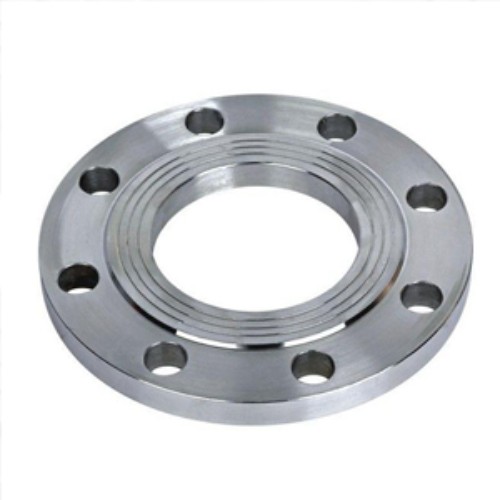
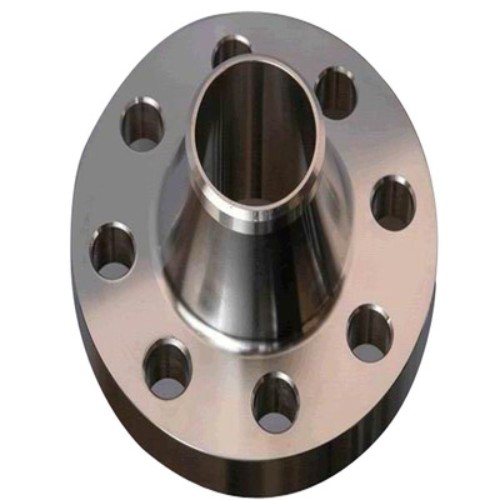
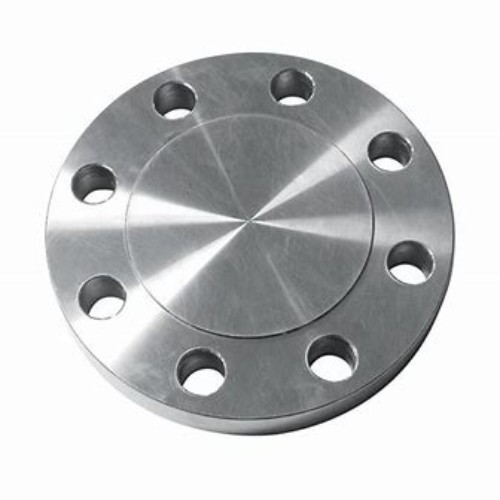
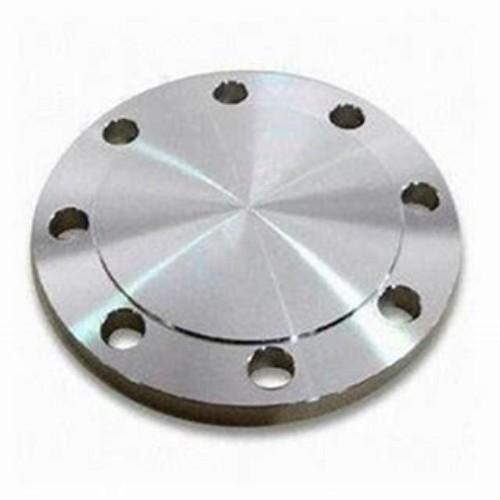
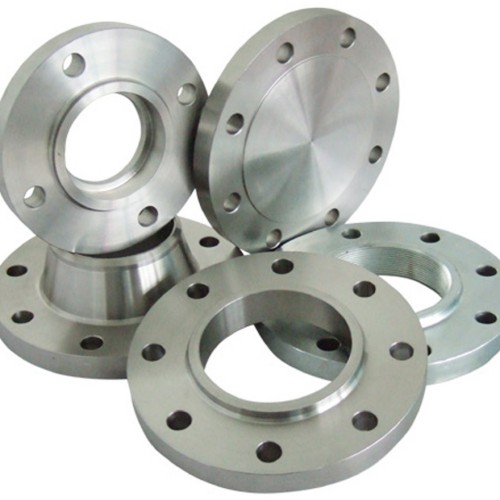
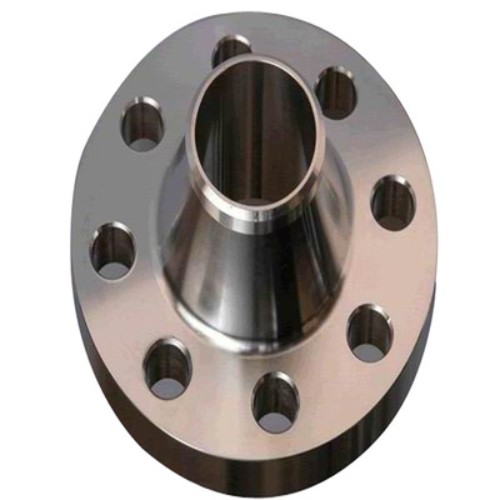
Flanges are important components for connecting pipes, valves, equipment and accessories to achieve safe and reliable connections. Flanges can be divided into various types according to different standards and uses. Common flange types include weld neck flanges, blind flanges, flange-to-flanges, sliding flanges, and threaded flanges. Welded neck flanges are suitable for high pressure and high temperature environments and are connected to pipes by welding to provide a stable connection. Blind flanges are used to close the ends of pipes to facilitate maintenance and inspection. Flange-to-flange is typically used to connect two pipes, while sliding flange allows the flange to slide over the pipe for easy installation and adjustment. Threaded flanges are suitable for low pressure environments and are threaded to pipes. Selecting the appropriate flange type depends on the pressure, temperature, media and installation requirements of the piping system. Proper selection and installation of flanges ensures safe operation and sealed connections in piping systems.
What Are The Types Of Flanges?
The types of flanges commonly used in piping systems include:
1. Weld Neck Flange: This type of flange is designed with a long, tapered hub that provides an ideal connection for high-pressure applications. The neck of the flange is welded to the pipe, offering strength and support at the joint.
2. Slip-On Flange: Slip-on flanges are easy to align and are used in low-pressure applications. They are slipped over the pipe and then welded both inside and outside to provide strength and prevent leakage.
3. Blind Flange: Blind flanges are solid disks used to block off a pipeline or to create a stop. They are commonly used for pressure testing the flow of gas or liquid through a pipeline.
4. Threaded Flange: Threaded flanges are used in low-pressure applications and are connected to the pipe with threads, providing a strong and reliable connection.
5. Lap Joint Flange: Lap joint flanges are used with a stub end or taft, which is welded to the pipe. The flange then slides over the pipe and is free to rotate around the stub end, allowing for easy alignment of bolt holes.
6. Socket Weld Flange: Socket weld flanges are used for high-pressure applications and are connected to the pipe by inserting the pipe into the socket end and then applying fillet weld around the top.
Each type of flange has specific characteristics and is suitable for different applications based on factors such as pressure, temperature, and the nature of the fluid being transported. Proper selection of flange type is crucial to ensure the integrity and safety of the piping system.












































































