


 català
 africana
 albanès
 amàric
 àrab
àrab
 armeni
 azerbaidjana
 basc
basc
 Bielorús
 bengalí
 bosnià
 búlgar
 Cebuà
Cebuà
 Cors
Cors
 croat
croat
 txec
txec
 danès
danès
 holandès
 Anglès
 esperanto
 estonià
 finès
finès
 francès
 frisó
frisó
 gallec
 georgiana
 alemany
 grec
grec
 Gujarati
 crioll haitiano
 hausa
hausa
 hawaià
 hebreu
 No
No
 Miao
Miao
 hongarès
 islandès
 igbo
igbo
 indonesi
 irlandesa
 italià
 japonès
 javanès
 Kannada
 kazakh
 Khmer
Khmer
 Ruandès
 coreà
coreà
 kurd
kurd
 kirguis
 TB
TB
 llatí
llatí
 letó
letó
 lituà
lituà
 luxemburguesa
 macedoni
 Malgashi
 Malai
Malai
 malayalam
 maltès
 Maori
Maori
 Marathi
 mongol
 Myanmar
 nepalí
 noruec
 noruec
 occità
 Pashto
 persa
persa
 polonès
 portuguès
 panjabi
 romanès
 rus
rus
 samoà
samoà
 Gaèlic escocès
 serbi
serbi
 Anglès
 Shona
Shona
 Sindhi
 Sinhala
 eslovac
 eslovè
 Somali
 espanyol
 Sundanès
 suahili
 suec
suec
 Tagalog
 Tadjik
 Tamil
Tamil
 Tàrtar
 Telugu
 tailandès
 turc
turc
 turcomà
 Ucraïnès
 Urdú
Urdú
 uigur
uigur
 Uzbek
Uzbek
 vietnamita
 gal·lès
 Ajuda
Ajuda
 Yiddish
 ioruba
 Zulu
Zulu


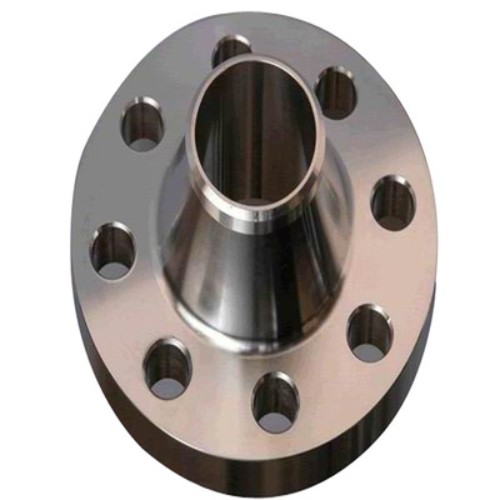
Flanges are important components for connecting pipes, valves, equipment and accessories to achieve safe and reliable connections. Flanges can be divided into various types according to different standards and uses. Common flange types include weld neck flanges, blind flanges, flange-to-flanges, sliding flanges, and threaded flanges. Welded neck flanges are suitable for high pressure and high temperature environments and are connected to pipes by welding to provide a stable connection. Blind flanges are used to close the ends of pipes to facilitate maintenance and inspection. Flange-to-flange is typically used to connect two pipes, while sliding flange allows the flange to slide over the pipe for easy installation and adjustment. Threaded flanges are suitable for low pressure environments and are threaded to pipes. Selecting the appropriate flange type depends on the pressure, temperature, media and installation requirements of the piping system. Proper selection and installation of flanges ensures safe operation and sealed connections in piping systems.
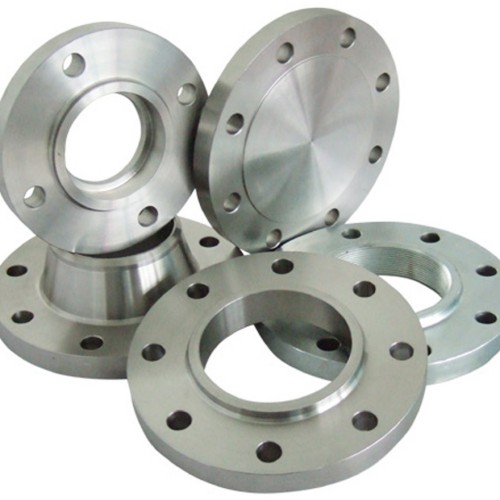
What Are The Types Of Flanges?
The types of flanges commonly used in piping systems include:
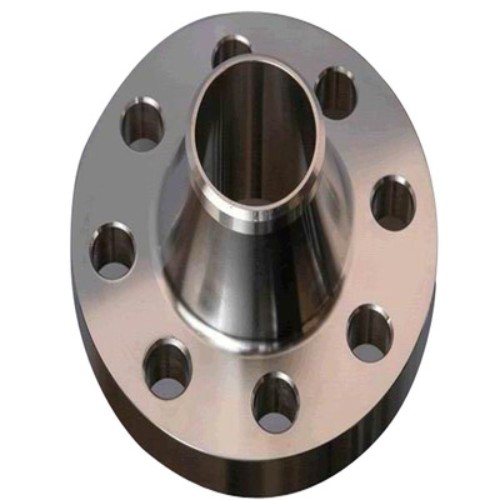
1. Weld Neck Flange: This type of flange is designed with a long, tapered hub that provides an ideal connection for high-pressure applications. The neck of the flange is welded to the pipe, offering strength and support at the joint.
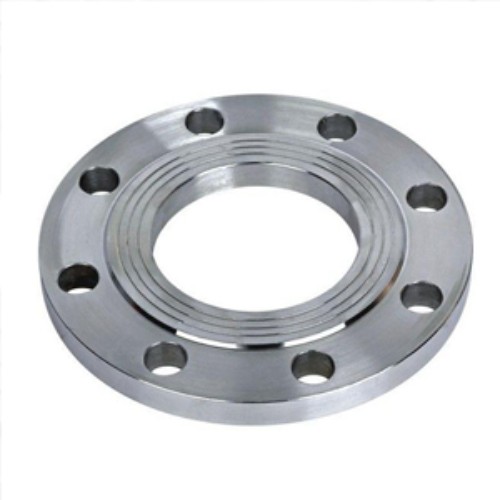
2. Slip-On Flange: Slip-on flanges are easy to align and are used in low-pressure applications. They are slipped over the pipe and then welded both inside and outside to provide strength and prevent leakage.
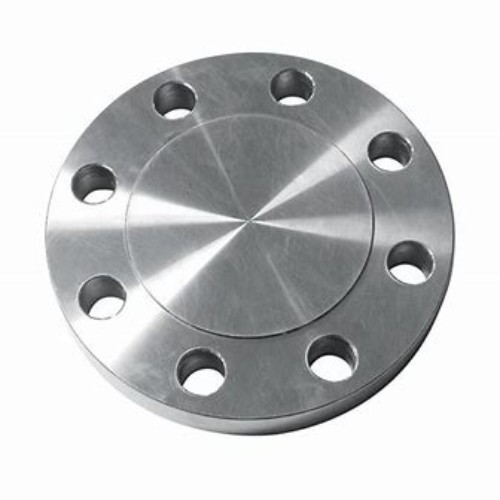
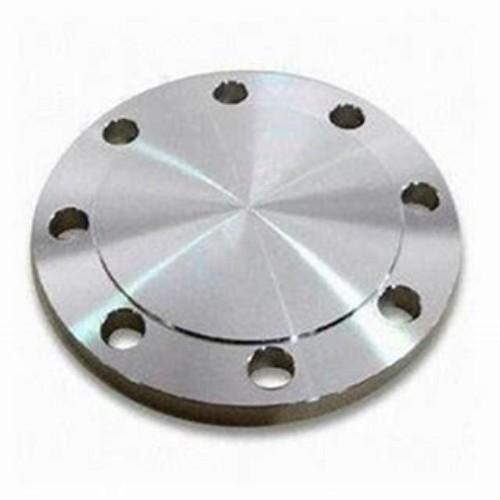
3. Blind Flange: Blind flanges are solid disks used to block off a pipeline or to create a stop. They are commonly used for pressure testing the flow of gas or liquid through a pipeline.
4. Threaded Flange: Threaded flanges are used in low-pressure applications and are connected to the pipe with threads, providing a strong and reliable connection.
5. Lap Joint Flange: Lap joint flanges are used with a stub end or taft, which is welded to the pipe. The flange then slides over the pipe and is free to rotate around the stub end, allowing for easy alignment of bolt holes.
6. Socket Weld Flange: Socket weld flanges are used for high-pressure applications and are connected to the pipe by inserting the pipe into the socket end and then applying fillet weld around the top.
Each type of flange has specific characteristics and is suitable for different applications based on factors such as pressure, temperature, and the nature of the fluid being transported. Proper selection of flange type is crucial to ensure the integrity and safety of the piping system.












































































